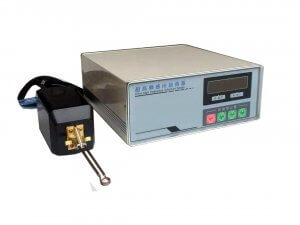
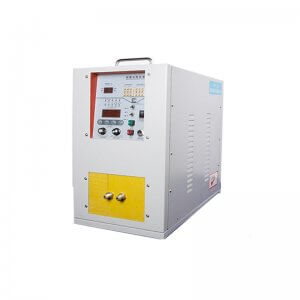
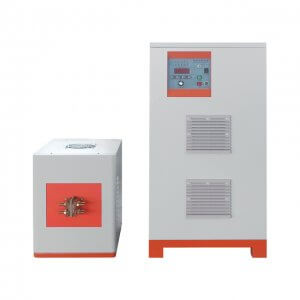
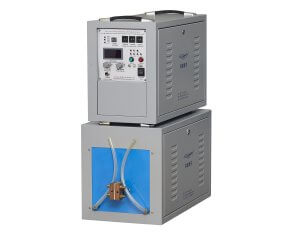
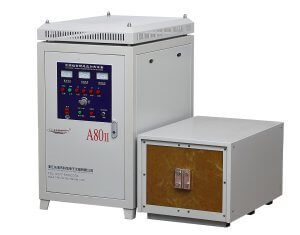
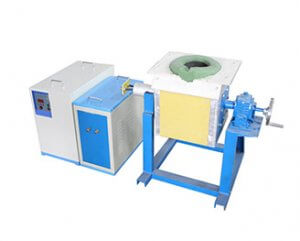
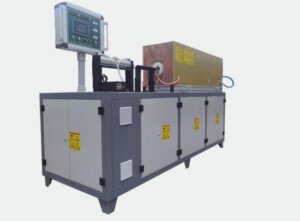
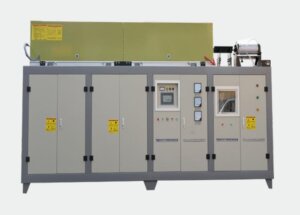
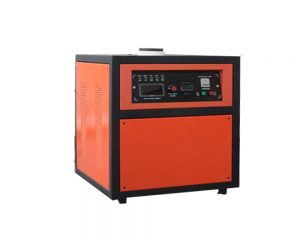
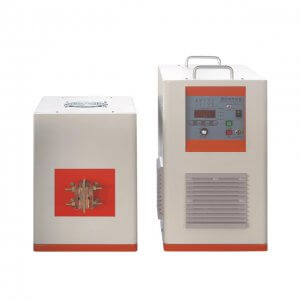

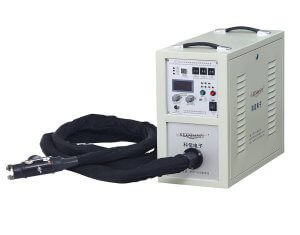
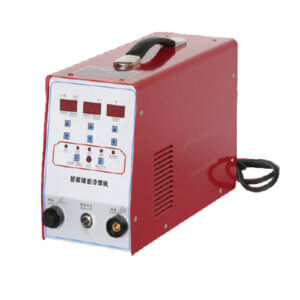
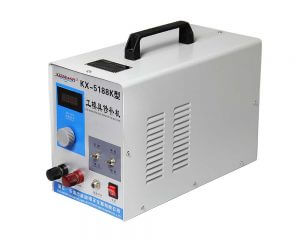

| 45KW High Frequency Induction Forging Machine | |
| Model | KX-5188A45 |
| Rated Power Output | 45KW |
| Frequency Range | 30-60KHz |
| Single Phase Input | Three Phase 380V/50Hz |
| Current Range | Three Phase 3-55A |
| Volume (mm³) | 660*290*410 740*340*380 |
| Net Weight | 65KG |
| Gross Weight | 85KG |
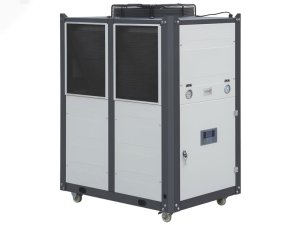
| Cooling Water Flow | Hydraulic Pressure≧0.2MPa; Flow Rate: 5-20L/Min |
| Cooling Water Temperature | ≤40℃ |
| Water Connection | 1 inlet and 1 outlet |
| Packing Method | Wooden Box |

- E-mail: yqkexin@gmail.com
-
Kexin Global
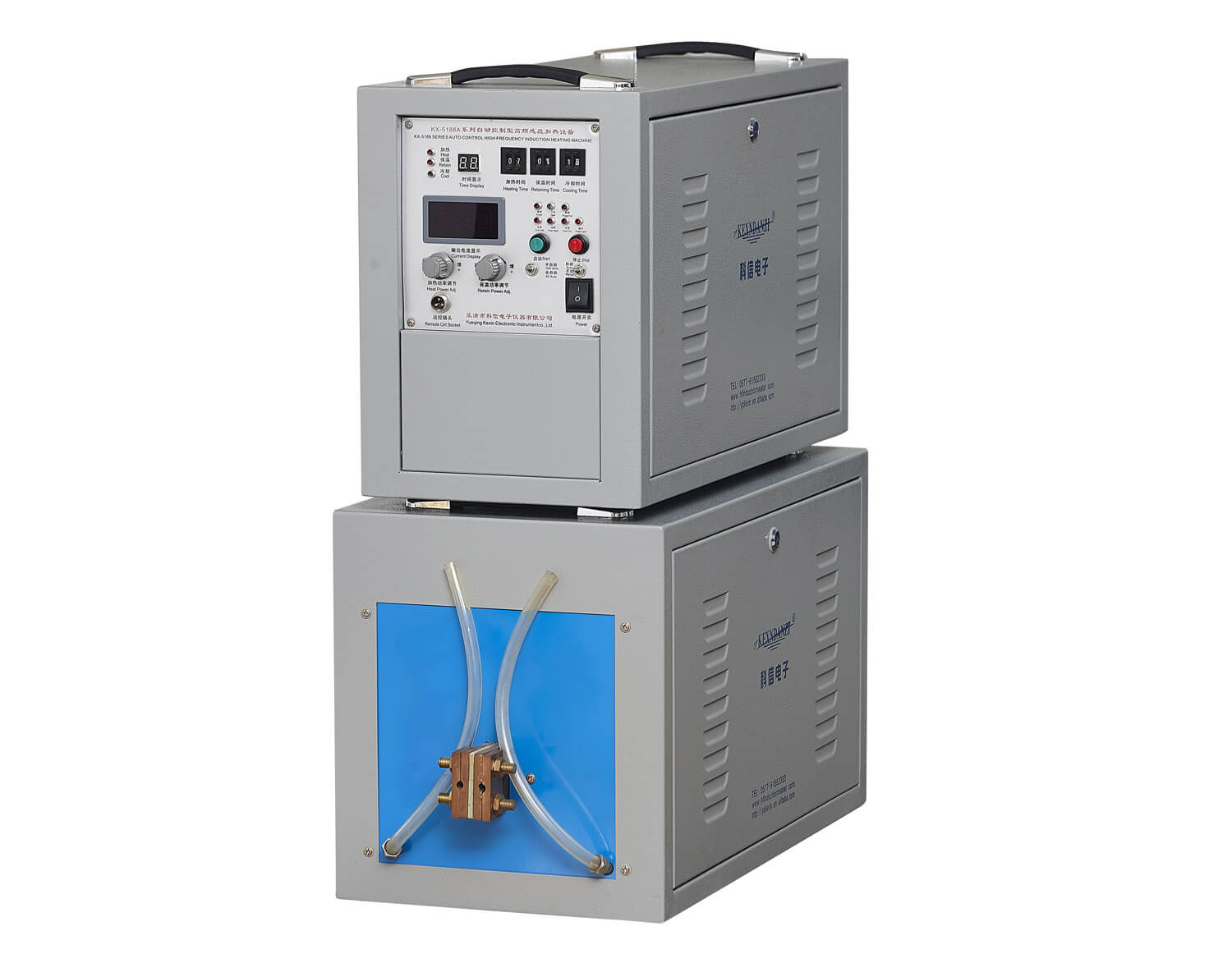


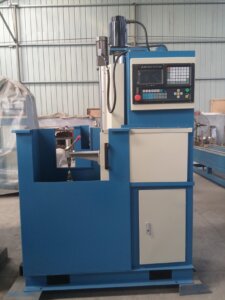
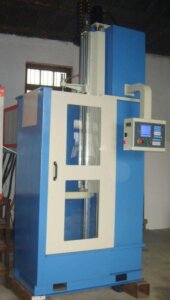
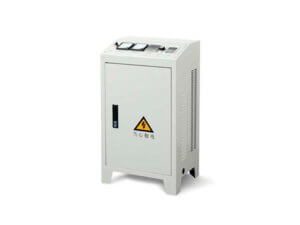
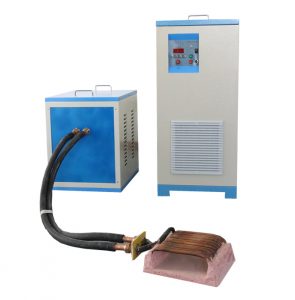
45KW High Frequency Induction Forging Machine
Model: KX-5188A45
Rated Power Output: 45KW
Frequency Range: 30-60KHz equipment induction heater for forge
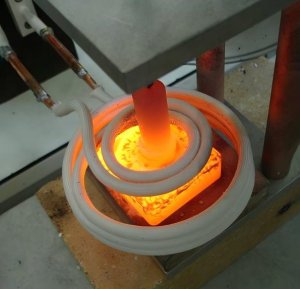
Request A QuoteAn induction forging machine is a process that heats electrically conductive materials, typically metals, using electromagnetic induction. This is achieved by generating heat within the object through eddy currents.
An induction heater consists of an electromagnet and an electronic oscillator that passes high-frequency alternating current (AC) through the electromagnet. The rapidly alternating magnetic field created by the electromagnet penetrates the object, inducing eddy currents within the material.
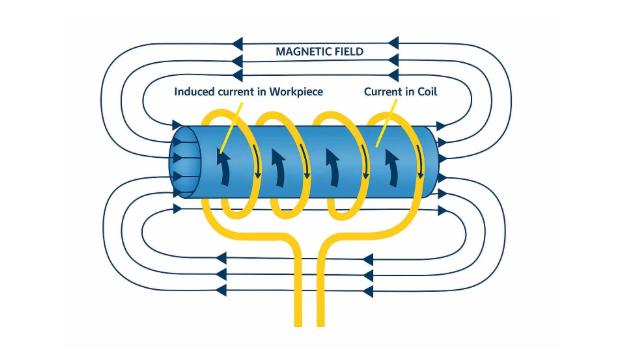
The core components of an induction heating system include the AC power supply, induction coil, and the workpiece. The power supply generates alternating current, which flows through the coil, creating a magnetic field. When the workpiece is placed within the coil, the magnetic field induces eddy currents in the material, generating precise, localized heat. This process occurs without any physical contact between the coil and the workpiece, ensuring clean and efficient heating.
Our advanced induction heating system incorporates high-quality components from top manufacturers such as Siemens, Infineon, and Toshiba, delivering exceptional performance. With precise control, rapid response time, and extremely low splashing, the system ensures reliable and efficient heating. Besides, it features automatic frequency tracking, adjustable power, and robust safety features, designed specifically for industrial applications to achieve optimal reliability and performance.
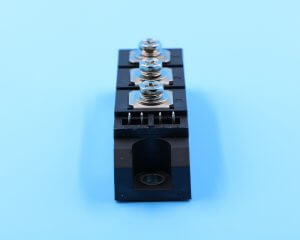
Germany Siemens Infineon IGBT Module: Features a 40-60 kHz oscillation frequency, fast response time, high arc stability, and nearly spatter-free welding.
Japan Nichicon Electrolytic Capacitor: Used as the filter capacitor for enhanced performance.
Signal, Drive, and Control Circuits: Components sourced from top manufacturers including Toshiba, Hitachi, Motorola, and leading Chinese manufacturers.
Advanced All-Solid-State Semiconductor Power Devices: Incorporates the latest international technology for superior performance.
Imported Transistor Integrated Block: For reliable and efficient operation.
High-Speed Control Tube: Ensures fast and precise control for optimal performance.
Comprehensive Control and Protection: Features full automatic frequency tracking, continuously adjustable power, reliable safety protection, and clear data display for easy monitoring.
Heat Treatment
Heat treatment improves the durability and performance of industrial components. It is used for hardening automotive and motorcycle parts, molds, agricultural machinery, and quenching machinery parts like gears and chain wheels. It also enhances industrial machine tool guideways, toughens hand tools (pliers, spanners, screwdrivers), and anneals metal workpieces (golf ball heads, locks, kitchen knives) to adjust hardness and flexibility, ensuring optimal performance and longevity.
Melting
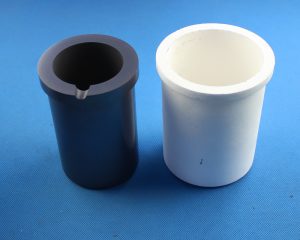
Our system is designed for the melting of both ferrous and non-ferrous metals, including precious metals like gold, silver, and platinum. It also efficiently melts semiconductor materials and specialized metals such as steel, iron, copper, and various metal alloys like aluminum, zinc, and copper alloys.
Welding
Our system is ideal for welding a wide range of tools, including diamond/carbide saw blades, diamond cutting tools, grinding tools, and drilling tools. It also supports welding of carbide cutting tools used in machining, such as turning and milling cutters, as well as mining tools like pillar gear drill bits, dovetail coal drill bits, drill rods, and shearers. Additionally, it is perfect for welding woodworking tools, including planers, milling machines, and drills.
Forging
Hot forming for all kinds of standard parts, fasteners, machinery parts, hardware tools, and straight shank twist drills. Metal annealings, such as tensile steel; wire, nail wire heating, and stainless steel annealed.
Packing Details
Export standard packing, inner carton outer wooden box, and double protection

Ready to Upgrade Your Heating Process?
Get a customized induction heating solution tailored to your production needs. Our engineers will recommend the right equipment and help you get started.
Related Products
 High Frequency Induction Heating Machine 18KW
18KW induction heating machine for small diameter rods heating
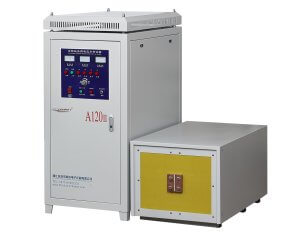 120KW High frequency Induction Heating Machine
120KW induction heating equipment used for gears, sprockets, shafts, spline shafts, pins, etc.
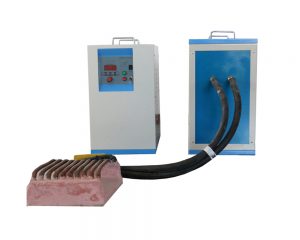 25KW Medium Frequency Induction Heating Machine
Medium frequency induction melting furnace for melting 10-20KG copper, brass and iron
Industry Solutions
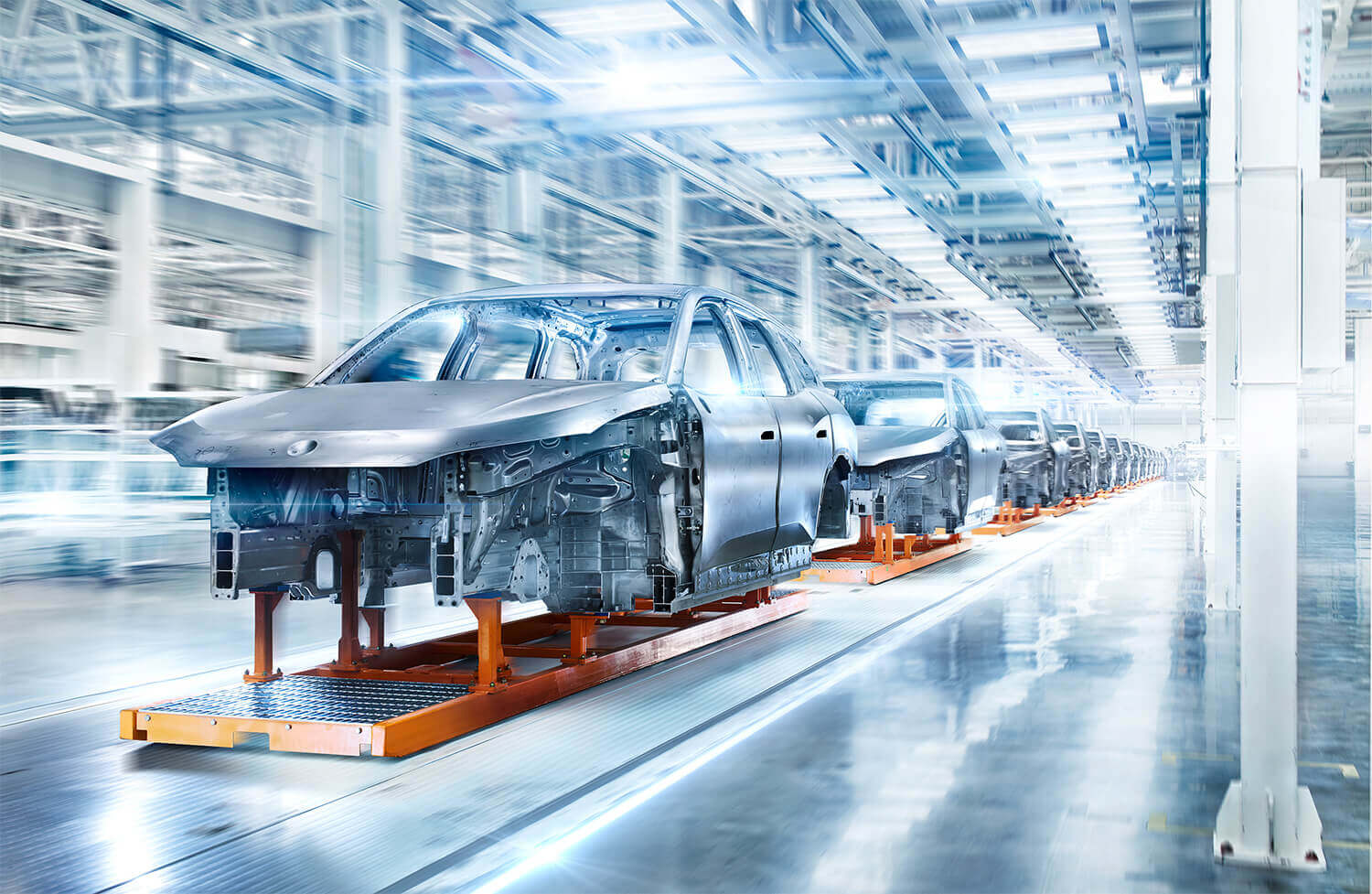
Automotive Manufacturing
Introduction Induction heating is widely used in automotive manufacturing for heat treatment, brazing, forging and assembly applications. Compared with conventional heating methods, it offers precise temperature control, consistent results and improved production efficiency across a wide range of vehicle components.…
Discover More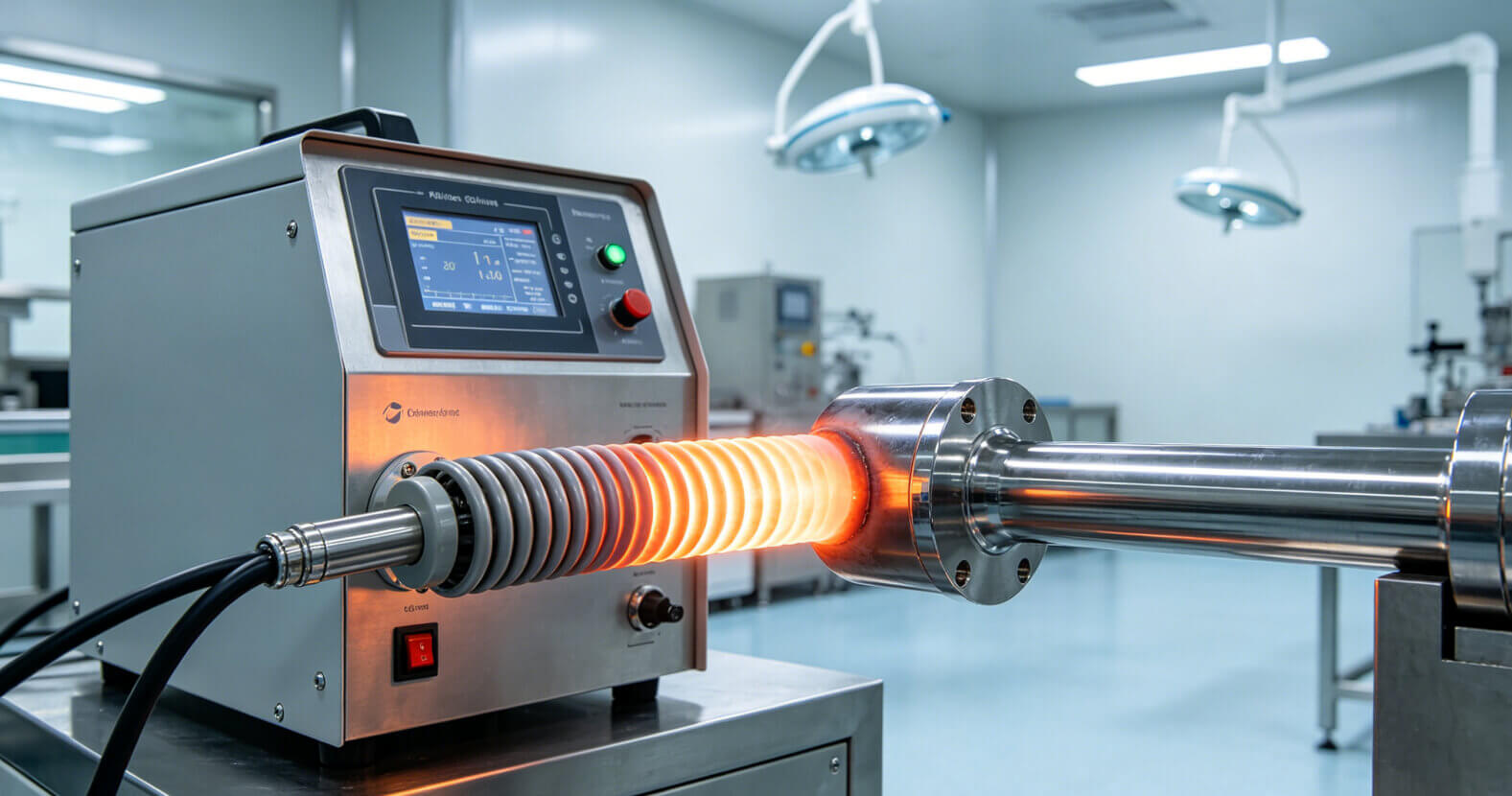
Medical Device Manufacturing
Introduction Medical device manufacturing requires precise, clean and repeatable thermal processing. Induction heating generates heat directly within electrically conductive components, allowing manufacturers to control the heated area, temperature and cycle time without direct flame contact. Compared with conventional flame or…
Discover More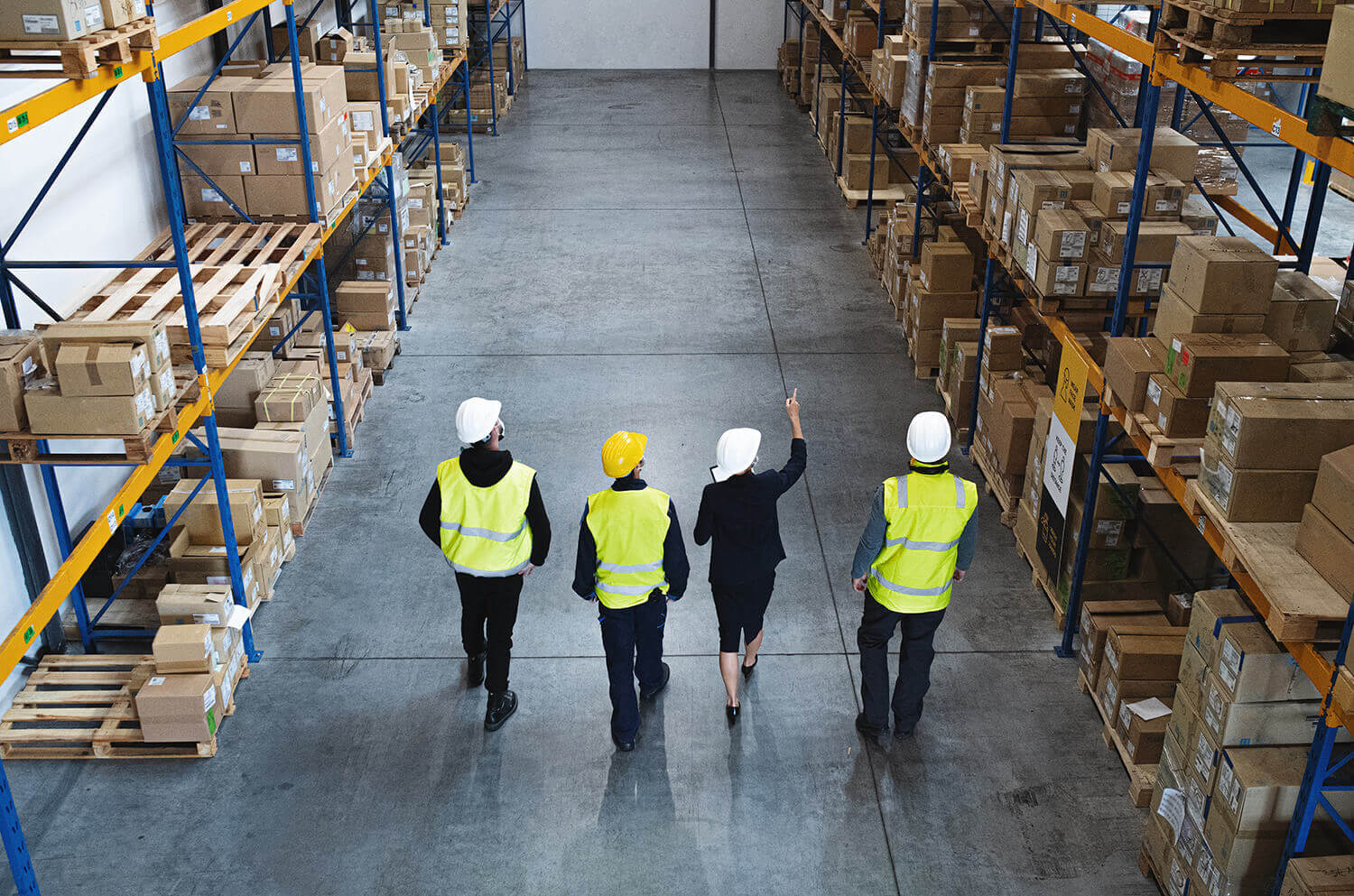
Packaging Industry
Introduction The packaging industry demands high-speed production, reliable sealing quality and strict hygiene standards. Induction heating offers a non-contact heating method that precisely heats conductive materials such as aluminum foil without overheating the container or packaged product. Compared with conventional…
Discover More
Aerospace & Defense
Introduction Aerospace and defense manufacturers require exceptional process accuracy, material integrity and production consistency. Induction heating provides localized, controllable heating without open flames, making it ideal for manufacturing high-value components where dimensional accuracy and metallurgical quality are critical. Compared with…
Discover More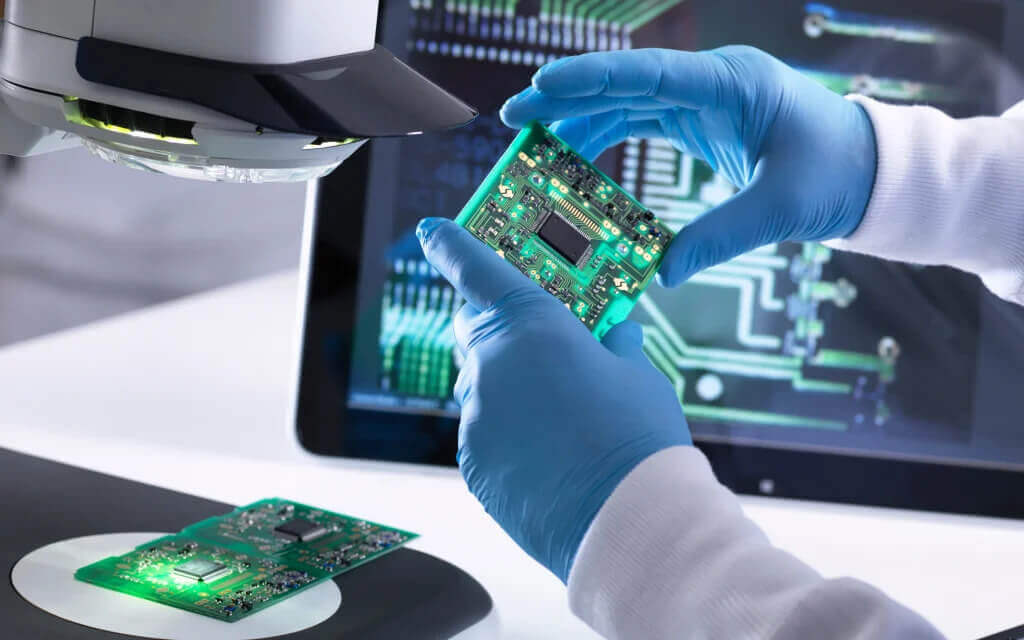
HVAC, Appliances & Electrotechnical
Introduction Manufacturers of HVAC equipment, household appliances and electrical products require highly controlled heating processes to ensure reliable joints, long product life and efficient production. Induction heating provides localized, non-contact heating with excellent temperature control, making it ideal for high-volume…
Discover More
Renewable Energy Manufacturing
Introduction The renewable energy industry continues to expand as demand grows for cleaner and more sustainable energy solutions. Manufacturing renewable energy equipment requires highly reliable thermal processing to ensure component strength, electrical performance and long-term durability. Induction heating provides localized,…
Discover More
Mining & Heavy Industry
Introduction Mining and heavy industries demand robust equipment capable of operating in harsh environments with continuous heavy-duty workloads. Components such as gears, shafts, bearings, crusher parts and drilling tools require advanced thermal processing to maximize wear resistance and service life.…
Discover More
Manufacturing & Assembly
Introduction Modern manufacturing demands high precision, consistent quality and efficient production processes. Conventional flame heating and furnace heating often introduce excessive heat, oxidation and long production cycles that reduce productivity. Induction heating delivers rapid, localized and repeatable heating without direct…
Discover MoreLet's Get Started
Get a customized induction heating solution tailored to your production needs.