
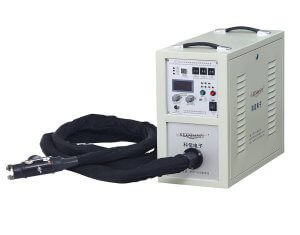
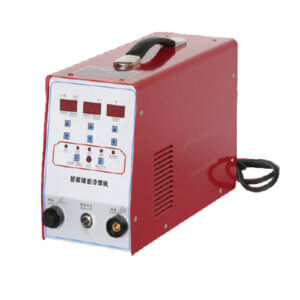
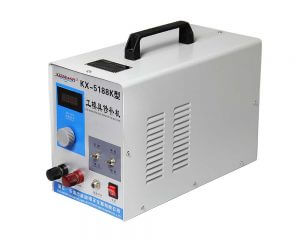

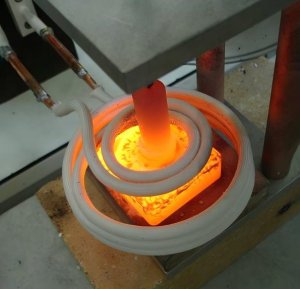

Induction Hardening
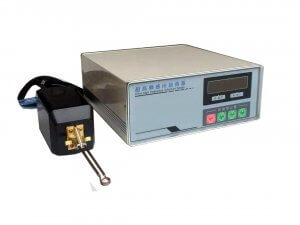
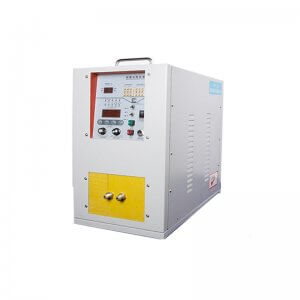
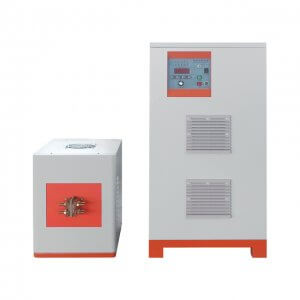
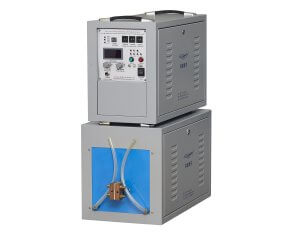
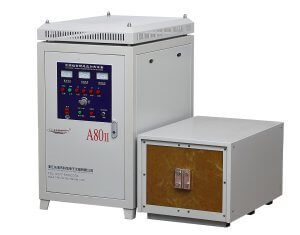
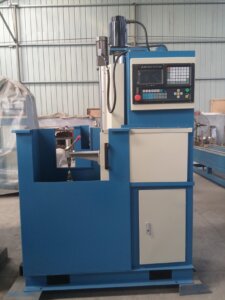
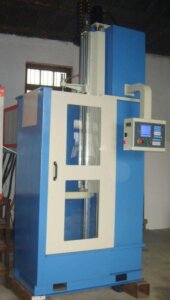
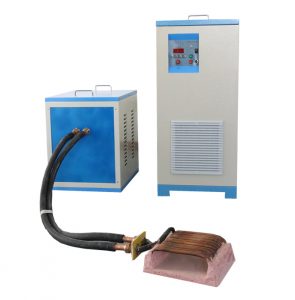
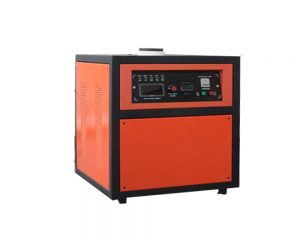
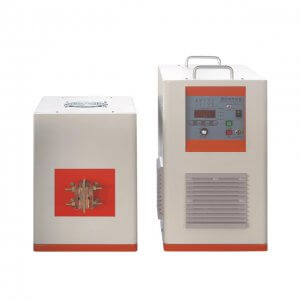
KEXIN offers comprehensive induction hardening solutions to meet the diverse requirements of hardening.
Read More
Kexin Global
Induction heating is a complex, highly efficient method used in a wide range of industries including automotive, aerospace, metalworking, mining and food processing.
It uses electromagnetic induction to generate internal heat and excels in applications such as brazing, welding and annealing, increasing productivity and reducing cycle times through fast, consistent heating.
Additionally, its non-contact nature helps avoid contamination and maintain surface integrity, which is critical for modern manufacturing and technological advancements.
With many years of experience in induction heating applications, Kexin Electronic Instrument has launched a series of induction heating and metal melting equipment to the market. Contact us today to learn more about induction heating equipment.
KEXIN offers comprehensive induction hardening solutions to meet the diverse requirements of hardening.
Read More
KEXIN Induction Heat Treatment Machines Induction heat treatment enhances the physical properties of metals. KEXIN provides advanced solutions tailored for industries such as automotive, aerospace, and energy. These machines deliver high heating efficiency, precise temperature regulation, and energy-saving features. Applications include forging, annealing, and curing automotive components to ensure durability and optimal performance. KEXIN offers models including high-frequency, ultra-high-frequency, and medium-frequency options to address diverse requirements. Customization and automation features make these machines a practical choice for improving production efficiency. Advanced technologies, such as third-generation inverters and IGBT components, guarantee consistent and high-quality outcomes. What is Induction Heat Treatment? Induction heat treatment is a process that uses induced electrical currents to heat materials like metals. It is commonly applied in automotive parts such as crankshafts, gears, and springs to enhance durability and wear resistance. This method offers high efficiency, precise temperature control, and consistent heat distribution. Another application is induction annealing, which improves the toughness of carburized parts by reducing brittleness. It is also widely used in bonding and curing adhesives for automotive parts, ensuring minimal deformation and high-quality results. Induction heat treatment provides fast heating, energy efficiency, and better environmental conditions compared to traditional methods. KEXIN sells a wide variety of induction annealing and heat treating systems that can be used for heat treating, bonding and annealing. Contact Us The Basics of Induction Heat Treatment Induction heat treatment is a precise and efficient process used to heat specific areas of a workpiece by generating an electromagnetic field. This field induces an electric current in the material, which produces localized heating, making the process ideal for hardening, tempering, and annealing metals without direct contact with a heat source. Induction heat treatment has a wide range of applications, from hardening automotive components like crankshafts to tempering tools and machinery parts. Contact Us Key Components of an Induction Heat Treatment System An induction heating system consists of three main parts: the power supply, the induction coil, and the workpiece. Power Supply The power supply's main function is to convert electrical energy into high-frequency current. This current is generated through a converter and rectifier, allowing for adjustable frequencies and power levels. It provides power to the entire system, controlling the frequency and intensity of the output to fine-tune the heating process. Induction Coil The induction coil is responsible for converting the electrical current into an alternating magnetic field. Typically made of copper wire, its design and shape must be customized based on the workpiece’s geometry. The coil's design directly affects the magnetic field strength and the area of heating, ensuring efficient heat concentration on the workpiece. Workpiece The workpiece is the material being treated, usually made of metals like steel, aluminum, or copper. It is heated through eddy currents induced by the magnetic field. The effectiveness of the heating depends on the material's conductivity and magnetic properties. This makes induction heating ideal for surface hardening of components like gears and bearings. What are the advantages of induction heat treatment machine? Surface Induction Heat Treatment Surface induction quenching creates a hard surface layer with a tough core. This process can replace carburizing, induction hardening, and tempering, reducing the need for alloying elements. The process produces minimal oxide scale and deformation due to the short heating period. Local Induction Heat Treatment Localized heating precisely targets the areas needing quenching, especially in magnetic conductors or components with high power densities. This ensures accurate and efficient heating, reducing waste. Energy-Efficient Induction heat treatment is more energy-efficient compared to carburizing, oxidation, and conventional hardening processes. It reduces energy consumption, especially when there is a significant difference between the quenching and overall workpiece quality. Rapid Heat Treatment Induction hardening typically requires only 2-10 seconds of heating, reducing production cycles. This is especially beneficial when using self-tempering or random induction tempering. It makes the process similar to machining. Clean Process The induction quenching process uses water or water-based solutions with additives, generating little oil smoke. This leads to a cleaner working environment, enhancing safety and operational conditions. What Is Induction Heat Treatment Applied For? Contact Us Induction forging is widely used for heat treating automotive parts like crankshafts, connecting rods, leaf springs, welded bridge housings, and gears. It offers high heating efficiency, precise temperature control, uniform billet heating, compact equipment size, and energy savings. Induction heat treatment is effective for improving fatigue and wear resistance in automotive components. Local induction annealing is used to improve the mechanical properties of carburized parts, reducing brittleness and enhancing toughness. It is commonly used for thread annealing in gears, replacing traditional lead furnace methods. Induction melting is used for steel and non-ferrous metals like aluminum alloys and brass. It provides fast heating, high productivity, excellent temperature uniformity, low investment costs, and improved casting quality due to homogeneous liquid metal composition. Induction heating is used to cure adhesives in automotive parts after bonding. This method provides seamless bonding, maintains rust protection, improves sealing, and reduces vibrations. It also minimizes deformation, resulting in stable quality of the parts.
Read More
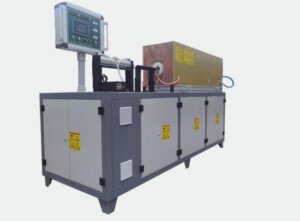
KEXIN offers advanced induction brazing machines that join metals efficiently using induction heating.
Read More
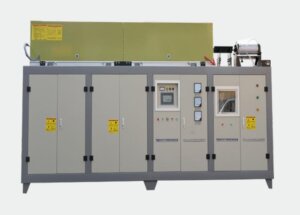
Induction forging offers significant benefits in mass production, especially within the forging industry.
Read More
High-Performance Induction Annealing Solutions by KEXIN Induction annealing is a key process in many manufacturing industries. At KEXIN, we provide advanced solutions to make metals stronger, more durable, and resistant to corrosion. Our high-performance induction annealing machines meet a wide variety of tasks, offering precise control and consistent results. With options including high-frequency, ultra-high-frequency, medium-frequency, and ultrasonic technologies, KEXIN ensures that each solution is tailored to your specific needs. Serving both local and international clients, KEXIN operates from highly accredited facilities. We leverage years of experience and industry expertise to deliver solutions that exceed market demands. Our induction annealing technology ensures quality and reliability, supporting industries such as automotive, aerospace, energy, and beyond. What is Induction Annealing? Induction annealing uses electromagnetic induction to heat metals to a specific temperature, typically near the material's recrystallization point. The process works by generating an electromagnetic field in the working coil, which induces electrical currents (eddy currents) in the conductive material of the workpiece. These currents create friction that raises the temperature of the material, allowing it to reach the desired temperature for annealing. The metal is then held at this temperature for a specified period and cooled at a controlled rate. This thermal treatment helps reduce hardness, relieve internal stresses, and increase ductility, improving the material's workability and reprocessing performance. Induction annealing is widely used in industries such as tube and wire manufacturing, as well as in the treatment of components with more complex geometries. The process is faster and more localized compared to traditional heating methods, making it ideal for series production. Induction annealing can precisely target specific areas of a part, such as the neck and shoulder of brass cases, ensuring that only the required regions are heated. Contact Us The Basics of Induction Annealing Induction annealing is particularly advantageous when dealing with parts that need to be treated quickly and efficiently, with minimal disruption to the rest of the part. Additionally, induction annealing allows for high repeatability and consistent results, making it a preferred choice in mass production environments. How Induction Annealing Works Induction annealing combines two distinct processes: induction heating and annealing. The workpiece is placed within an induction coil, which generates an alternating magnetic field. As the magnetic field interacts with the conductive material of the workpiece, it induces an electric current, known as eddy currents. These currents generate heat within the material due to the resistance of the metal. Since this heating occurs directly in the workpiece, there is no need for an external heating element. Once the workpiece reaches the desired temperature, it is held at this temperature for a specific duration, allowing the material to undergo phase changes and relieve internal stresses. The part is then cooled at a controlled rate to complete the annealing process. Induction annealing is often used to treat localized areas of the workpiece—such as edges, grooves, or specific geometric features. Contact Us Key Benefits of Induction Annealing Contact Us Induction annealing excels in delivering precise, localized heating to specific areas of a workpiece. This level of control ensures that only the intended sections of the part are treated. The induction heating process offers ultra-fast heating, often in just a few seconds. This quick heating minimizes the risk of oxidation and preserves the surface integrity of the material. Because induction annealing targets only specific areas of the workpiece, the heat-affected zone (HAZ) is kept to a minimum. This helps reduce unwanted material changes and potential distortion, a common issue with traditional furnace-based annealing processes. Induction annealing is a contactless heating method, which means there is no direct contact with the material, resulting in a cleaner, more controlled process. This also makes it easier to automate and ensuring consistent, high-quality finished products. Induction annealing is highly versatile and can be applied to a wide range of materials, from ferrous metals like steel to non-ferrous metals such as copper, aluminum, and silver.
Read More
Induction Heat Treating & KEXIN Induction Shrink Fitting Machines Induction heat treating and shrink fitting are efficient and precise processes used across various industries. Induction heating provides localized and controlled heat, making it ideal for shrink fitting. This method avoids the need to heat entire components, reducing energy consumption. It also prevents distortion and cracking caused by repeated thermal cycles. The rapid heating capability improves production efficiency, particularly for components that require frequent assembly and disassembly. KEXIN offers versatile induction heating systems. These include high-frequency and medium-frequency models suitable for applications like rotate, rotary indexing, and pick-and-place. The systems are customizable and can integrate automation. They are widely used in industries such as automotive, aerospace, and energy. What is shrink fitting? Shrink fitting is a process in which heat is applied to one component, causing it to expand, allowing it to fit over or into another part. Upon cooling, the heated component contracts, creating an interference fit. After the assembly cools, it generally cannot be separated without reheating the assembly to reverse the process. This method is commonly used in industries such as automotive and manufacturing for assembling mechanical components, ensuring strong and durable couplings. Contact Us The Basics of Induction Shrink Fitting Induction shrink fitting uses heat to expand materials for easy insertion and creates a secure bond when cooled. This method ensures reliable joining of parts without the need for additional fasteners. The Process of Induction Shrink Fitting Induction shrink fitting relies on the expansion of materials when heated. In this process, a component at room temperature is inserted into a heated component. The heat causes the mating surface of the heated component to expand slightly. This makes it easier to insert the room-temperature part. Once the parts are joined, they are left to cool. The cooling process results in the contraction of the heated component, which tightly grips the inserted part. Contact Us How It Works The process involves the careful control of temperature to ensure the proper expansion and contraction of materials. Induction heating is used to uniformly heat the outer component, ensuring an even expansion. The bond is formed as the material cools and contracts, securing the components together without the need for additional fastening methods. This process is often used in various manufacturing fields to ensure reliable mechanical joining. Contact Us The Benefits of Induction Shrink Fitting Typically, with shrink fitting you heat a part to roughly 300 to 500 ˚F (150 to 300 ˚C), which is enough to allow the part to expand enough to enable insertion without changing the metallurgical structure. There are a number of advantages to shrink fitting with induction heating including: Contact Us Induction heating targets only the required areas of the component, minimizing unwanted distortion in other parts. This precision ensures that the parts are heated exactly where needed, which helps maintain the integrity of the components during the fitting process. Induction heating is much faster than conventional methods, such as oven heating. The heat is applied directly to the component without preheating the entire workpiece, leading to shorter production times. Induction heating is more energy-efficient because it generates heat directly within the part, unlike other methods that heat the entire surrounding environment. This clean, flameless approach reduces energy consumption and minimizes heat exposure in the workspace. The process is highly consistent, ensuring uniform results across batches. Once the parameters are set, the same reliable outcome can be achieved repeatedly. It is ideal for automated manufacturing.
Read More
Induction Quenching & KEXIN Induction Quenching Machines Induction quenching cools heated workpieces rapidly using water, oil, air, gas, or polymers to achieve targeted hardness and strength. KEXIN provides advanced induction hardening machines, including high-frequency, medium-frequency, and ultrasonic models. These systems deliver precise and repeatable hardening for automotive, aerospace, alternative energy, and OCTG industries. KEXIN machines ensure superior durability and reliability for critical components. Our customized solutions address specific hardening needs. Integrated automation improves production efficiency and consistency. With advanced technology and reliable performance, KEXIN remains a leader in delivering high-quality induction quenching solutions for modern manufacturing demands. What is Induction Quenching? Induction quenching uses electromagnetic induction to rapidly heat steel components, followed by controlled cooling. This process enables surface hardening, enhancing the durability of metal parts. During quenching, alternating currents generate a magnetic field that induces eddy currents in the steel, heating it quickly and evenly. The heated surface is then rapidly cooled using water, oil, or compressed air. Induction quenching is precise and efficient. It is ideal for applications requiring high wear resistance. Components like gears, shafts, and bearings benefit from improved hardness without compromising internal flexibility. The process minimizes distortion, reduces energy usage, and ensures consistency. Compared to traditional quenching, induction quenching offers localized heating, making it suitable for complex shapes and thin sections. It is widely used in automotive, aerospace, and manufacturing industries. Contact Us The Basics of Induction Quenching Induction quenching, also known as induction hardening, is a heat treatment process that utilizes electromagnetic induction to heat a workpiece, followed by rapid cooling to enhance its hardness and wear resistance. This method is widely used in industries requiring durable components, such as automotive and manufacturing. Process Parameters Frequency Selection: The choice of frequency influences the depth of the hardened layer. Lower frequencies are suitable for deeper hardening, while higher frequencies are used for surface hardening. For instance, a 250 kHz power supply may require a workpiece speed (v) in the range of 0.28 to 15 mm/s, whereas an 8000 Hz power supply might necessitate a speed between 1.4 and 17 mm/s. Power and Feed Rate: Adjusting the power and feed rate affects the case hardness and depth. Higher power levels can increase case hardness, while feed rate adjustments can influence the depth of the hardened layer. Dwell Time and Quench Flow Rate: The duration of heating and the flow rate of the quenching medium are crucial. Longer dwell times can enhance case hardness, while higher quench flow rates can improve cooling efficiency. Contact Us Factors Affecting Induction Quenching Material Composition Different materials respond to induction quenching in unique ways. Steel, for instance, requires precise control over the quenching process to avoid issues like distortion or cracking. Other alloys may require different heating and cooling rates for optimal results. Part Geometry The shape and size of the workpiece also affect the quenching process. Complex geometries may require specialized induction coils and cooling techniques to ensure uniform heat distribution and effective quenching. Magnetic Properties The magnetic permeability of the material plays a significant role in the induction heating process. Materials with higher magnetic permeability, like carbon steel, heat more efficiently compared to materials with low permeability, like stainless steel. Benefits of Induction Quenching Machines Our induction quenching solutions together with our water cooling equipment – with or without polymer, oil or air – is the ideal combination for the treatment of metal parts. The advantages of this combination are as follows: Contact Us Induction quenching machines offer accurate temperature management. It ensures precise heat treatment of metal components. Induction allows for selective heating of specific zones, resulting in uniform hardness and strength where needed. The induction process ensures stable and repeatable quenching cycles. This improves the reliability of each treated part. Induction quenching systems can be tailored to meet specific production requirements, enhancing versatility. These systems integrate into existing production lines to minimize setup time and operational disruption.
Read More
Induction heat treating is a critical process for enhancing the physical properties of metals.
Read More
Induction Preheating & Induction Post Heating Induction preheating and post heating are widely applied in welding and manufacturing industries like mining, oil refineries, pipelines, shipbuilding, and structural welding. Preheating involves raising the temperature of the material before welding to reduce thermal stress and prevent cracks. Post-weld heating relieves internal stress to improve weld integrity and durability. This technology also applies to preheating casting molds, injection molding tools, and dies. Induction heating delivers precise, fast, and uniform heating. It minimizes energy loss and boosts process efficiency, making it ideal for high-demand industrial applications. Induction heating systems can be tailored for specific manufacturing needs. This ensures accuracy and reliability across production lines. What is Induction Preheating & Induction Post Heating? Induction preheating uses electromagnetic induction to heat materials before processing. It ensures efficiency in various applications. For instance, cable cores are preheated for insulation extrusion in the wire industry. In metal processing, steel strips are preheated before pickling and zinc coating. This method also prepares pipes for welding and softens metals for bending. Mobile solutions allow for onsite repairs of industrial assemblies. In contrast, Induction post-heating occurs after processes like welding, polymer cross-linking, or paint drying. It relieves internal stresses in metal components and welds, improving structural integrity. Additionally, post-heating prepares cable cores after extrusion and facilitates zinc draining. Induction heating delivers precise and uniform temperatures, making preheating and post-heating critical for quality and efficiency in production processes. Contact Us Benefits of Induction for Preheating/Post Heating Contact Us Preheating reduces the temperature gap between the welding arc and base material, preventing thermal shock and cracks. Induction heating slows down the cooling rate of the weld, reducing the risk of hydrogen embrittlement and failed welds. Induction heating is much faster than traditional methods, providing quick setup and operation, resulting in time savings during preheating. Induction coils are adaptable, capable of heating a wide range of part shapes and sizes with ease. Unlike open flame or resistance heating, induction is safer, with reduced risks of fire hazards or injury. The induction process heats the part directly, leading to energy savings and lower overall operating costs. Induction heating is a clean, environmentally friendly method compared to traditional heating techniques.
Read More
Induction Forming & KEXIN Induction Forming Power Machines Induction forming is a key technology in metalworking that uses electromagnetic induction to heat materials directly. This method offers precision and efficiency. It is ideal for applications like hot forming, semi-hot forming, and surface hardening. KEXIN provides a range of induction forming power machines, including high-frequency, medium-frequency, and ultra-high-frequency models. These systems cater to various industries, such as automotive, aerospace, and energy. KEXIN's machines can be customized for specific heating tasks, ensuring adaptability to evolving production needs. Their modular designs enhance productivity and support sustainable manufacturing practices. By leveraging induction heating, KEXIN's solutions optimize energy use, minimize waste, and improve production rates with minimal defects. This approach ensures high-quality results in metal forming processes. What is Induction Forming? Induction forming is a process used to shape metal parts by heating them through electromagnetic induction. In this method, alternating current passes through a coil, creating a magnetic field that generates heat within the metal. This allows precise control over the temperature, ensuring fast and uniform heating. Induction forming is commonly used in industries for forging, pressing, and other metal shaping processes. It is highly efficient and can be easily automated, leading to cost savings and high-quality results. This technique also minimizes waste and environmental impact compared to traditional heating methods. Contact Us The Basics of Induction Forming Induction forming is a method used to shape metal parts by applying heat through electromagnetic induction. This process involves heating materials such as steel, brass, and aluminum to specific temperatures to reduce their resistance to deformation. After heating, the material is shaped using machines like mechanical impact presses and hydraulic extrusion presses. Heating Materials for Induction Forming Induction forming uses electromagnetic induction to heat materials to precise temperatures. Steel, for instance, is heated to around 1100–1250ºC, while brass requires approximately 750ºC, and aluminum heats to around 550ºC. Induction heating offers rapid, localized heating. This ensures minimal energy waste and fast temperature adjustments. The material becomes more malleable at these temperatures, allowing it to be easily shaped. The heating is highly controllable, making it ideal for mass production and applications where uniformity is crucial. This process ensures that parts retain high strength and durability while reducing the time required to achieve the desired form. Contact Us Equipment Used in Induction Forming Induction forming involves specialized equipment such as induction heating coils, presses, and hammers. Induction coils create a magnetic field that induces current in the workpiece, efficiently heating the material. Once the material reaches the required temperature, it is shaped using mechanical impact presses, bending machines, or hydraulic extrusion presses, depending on the specific requirements of the part. This combination of tools ensures precise shaping with minimal thermal distortion. Induction forming is widely used in industries such as automotive, aerospace, and manufacturing, where efficiency, speed, and quality are paramount. Contact Us The Benefits of Induction Hot Forming Contact Us Induction heating allows for precise control of temperature. This minimizes the springback effect, which is common in traditional heating methods. The result is more accurate part shapes and reduced post-processing adjustments. Materials treated with induction heating reach optimal temperatures quickly. This improves their ductility, making them more pliable for shaping. The result is better formability and reduced risk of cracking during the forming process. Induction forming requires lower pressure compared to other methods like stamping. This results in minimal residual stresses in the finished product. Parts exhibit better dimensional stability and reduced risk of deformation. Induction heating not only improves the microstructure but also enhances the overall mechanical properties of the material. This means better fatigue resistance, toughness, and strength in the finished parts. The controlled heating process reduces the need for extensive post-production tempering or heat treating. This lowers production costs and time, improving overall efficiency. The speed and precision of induction heating allow for higher production rates. With minimal defects, this method is ideal for mass production, where consistency and quality are critical.
Read More
Induction Curing & KEXIN Induction Curing Power Machines Induction curing utilizes electromagnetic induction to efficiently heat and cure materials like adhesives and coatings. This method offers rapid, energy-efficient curing with precise temperature control, making it ideal for industries such as automotive, electronics, and manufacturing. KEXIN specializes in high-frequency induction heating equipment, including induction curing power machines. Our products are designed for high efficiency, precise temperature regulation, and energy savings. Applications include forging, annealing, and curing automotive components to ensure durability and optimal performance. Our induction curing machines are known for their high heating efficiency, precise temperature regulation, and energy-saving features. They are widely used in various industries for applications such as forging, annealing, and curing. What is Induction Curing and Induction Coating? Induction curing and induction coating are processes utilizing electromagnetic induction to heat materials for curing or coating applications. In induction curing, conductive materials are exposed to an alternating magnetic field, which causes them to heat due to electrical resistance. This is commonly applied for curing adhesives, coatings, and polymers in industries like automotive and electrical manufacturing. Induction coating, on the other hand, uses controlled induction heat to manage the coating process. It ensures precise adjustments in temperature, time, and power. This method offers several advantages, including better repeatability, energy efficiency, and improved control over the polymerization process, making it highly beneficial in industries requiring high-quality coatings. Contact Us The Basics of Induction Curing & Induction Coating Induction curing and coating use electromagnetic induction to heat materials efficiently. These processes deliver precise heating for adhesives, coatings, and paints in industrial applications, ensuring ideal results without energy loss or excessive time requirements. How Induction Curing Works Induction curing works by generating a magnetic field through an induction coil powered by alternating current. When a conductive material, such as metal, enters the field, it induces eddy currents within the material. These currents generate heat due to the metal’s resistance, quickly raising its temperature. The controlled, localized heating process eliminates the need for external heat sources like ovens. This method allows manufacturers to cure adhesives, coatings, or paint uniformly and efficiently, reducing processing times while ensuring a high degree of quality and consistency. Contact Us Induction Coating System Components Induction coating systems are designed for precise temperature control and heat delivery. They include a power supply, an induction coil, and a control unit. The power supply generates the alternating current, while the coil produces the electromagnetic field necessary for heating. The control interface adjusts heating time, power, and temperature based on the material’s requirements. These systems offer flexibility, enabling uniform and stable coating across surfaces like pipes, fasteners, and industrial components. By delivering controlled heat, induction systems minimize energy consumption, reduce waste, and ensure high-quality coating results, even in high-speed production environments. Contact Us The Benefits of Induction Curing Induction curing is a relatively new technique that has been gaining popularity in recent years. One of the main benefits of induction curing over traditional curing methods is the speed of the process. Contact Us Induction curing can complete the process in seconds, while thermal curing can take hours or even days. This speed enhances production efficiency, allowing manufacturers to handle higher output while maintaining consistent quality. Unlike thermal curing, which heats the entire assembly, induction curing targets only the adhesive material. This focused heating results in significantly lower energy consumption. Induction curing reduces operational costs and environmental impact through lower carbon emissions. Induction curing delivers precise and uniform heating, ensuring optimal polymerization of the epoxy adhesive. This results in improved mechanical properties such as stronger adhesion and higher shear strength compared to thermal curing methods.
Read More
High-Precision Induction Soldering Machines KEXIN's induction soldering machines utilize advanced electromagnetic technology to precisely heat and solder metal components. By generating controlled heat at the joint area, these machines melt a lower-temperature filler alloy to create strong, clean, and reliable joints. Compared to traditional flame heating, induction soldering results in less oxidation, reduced need for post-soldering cleaning, and superior air- and watertight connections. Designed for a variety of industrial applications, KEXIN’s induction soldering machines are engineered for high precision and repeatability. We also offer custom solutions tailored to your specific soldering needs, with the option to integrate automation to boost production efficiency, consistency, and throughput. What is Induction Soldering? Induction soldering is a precise method for joining metal components by melting a filler material (solder) to create a strong bond. The process involves heating the workpieces using an electromagnetic field, which induces heat in the material, enabling the solder to melt and form the joint. Unlike traditional soldering methods, induction soldering does not require direct contact between the workpieces and the heating element, providing more control over the heating process. This method ensures minimal thermal stress on the components, making it ideal for applications where precise heat control is essential. The solder used in induction soldering typically consists of alloys like tin-lead, tin-silver, or tin-copper, with lead-free options becoming more common due to environmental and health concerns. Induction soldering also offers faster heating times and cleaner joints, as it generates less oxidation compared to flame heating. Contact Us The Basics of Induction Soldering The solder, with a lower melting point than the workpieces, facilitates the bond once it is heated and flows into the joint. Induction Soldering is distinct from welding, as the joint itself does not melt in soldering, making it suitable for more delicate applications like electronics and small components. How Induction Soldering Works Induction soldering relies on electromagnetic induction to generate heat. An RF (Radio Frequency) electromagnetic field is created by an induction coil placed near or around the workpieces. When alternating current flows through the coil, it creates an oscillating magnetic field that induces electrical currents (called eddy currents) in the conductive materials of the workpieces. These currents generate heat directly within the material, which in turn heats the solder. The solder then melts, flowing into the joint to create a strong bond. Once the solder cools, it solidifies, securing the connection. Contact Us The Process of Induction Soldering The induction soldering process is straightforward yet highly controlled: Preparation The workpieces to be joined are positioned within or near the induction coil. The solder is carefully applied to the joint area. Heating As current flows through the induction coil, the alternating magnetic field induces eddy currents in the workpieces, generating heat. This localized heating raises the temperature of the solder, causing it to melt and flow into the joint. Cooling After the solder has flowed into the joint, the heating is stopped, and the workpieces are allowed to cool. The solder solidifies, creating a strong, durable bond between the components. Post-Soldering In many cases, post-soldering cleaning is minimal due to the precise control of the heating process and the absence of oxidation. The joints are typically clean and ready for further processing. Key Benefits of Induction Soldering Contact Us Induction soldering offers exceptional control over the heating process, allowing precise and localized heating to the joint area. This precision ensures that only the desired parts of the workpiece are heated, minimizing thermal stress on surrounding components. This is especially beneficial for delicate or sensitive electronics, where overheating can lead to damage or failure. One of the significant advantages of induction soldering is its ability to minimize oxidation. Traditional flame heating often results in oxidation on the metal surfaces, which can compromise the quality of the joint. Induction soldering, on the other hand, creates less oxidation, ensuring cleaner joints and reducing the need for time-consuming post-soldering cleaning steps. The heat-up time for induction soldering is much faster than that of flame heating or furnace methods. This rapid heating reduces cycle times, making it an excellent choice for high-speed production lines. The quick soldering process is ideal for industries that require high throughput while maintaining precision and quality. Induction soldering is highly repeatable, meaning the same results can be achieved each time, making it ideal for mass production. The process is easy to control and automate, which ensures that each joint meets the desired specifications. Automated systems can adjust the heating parameters for different parts, allowing for continuous, high-quality soldering. Induction soldering is highly adaptable to assembly-line methods. The equipment can be strategically placed within the production line, and the process can be managed remotely for greater flexibility. Induction systems can be synchronized with other manufacturing steps, reducing downtime and streamlining operations. Induction soldering produces high-quality joints that are smooth, well-filled, and free from imperfections. The process ensures strong and durable connections. The result is a clean, professional finish that enhances the overall quality of the product. Due to its precision, induction soldering minimizes the heat affected zone (HAZ), ensuring that adjacent components are not exposed to damaging temperatures. This characteristic makes induction soldering particularly useful for applications where nearby parts are heat-sensitive or when working with small, delicate components. The clean, oxidation-free nature of induction soldering reduces the need for additional cleaning or finishing steps. This not only saves time but also reduces labor costs associated with post-soldering processes.
Read More
KEXIN Induction Tempering Solutions for Precision Manufacturing Induction tempering is a heat treatment process that enhances the mechanical properties, such as toughness and ductility, of already-hardened workpieces. As a green tech company, KEXIN is committed to advancing sustainability while offering cutting-edge induction heating technology. We provide both standard and customized induction tempering systems tailored to your specific workpiece requirements. Our solutions can easily integrate into your production line that ensure optimal energy consumption and precise mechanical property specifications. What is Induction Tempering? Induction tempering is a heat treatment process that improves the toughness, ductility, and wear resistance of hardened workpieces. Typically performed after induction hardening or carburizing, it adjusts the ductility and hardness/stiffness ratio. Compared to furnace tempering, induction tempering is much faster, completing the process in seconds rather than hours. It can be easily integrated into production lines, allowing for precise control of individual workpieces and minimizing process components. This method can be used for various components like bars, joints, and shafts, enhancing material hardness and malleability. Protective gases may be used to prevent oxidation at higher temperatures. For certain steel grades, holding time and temperature control help avoid issues like "tempering frostiness" . Contact Us The Basics of Induction Tempering Induction tempering performes at a lower temperature than the induction hardening process in order to reach a desired hardness range or to add toughness to the part by increasing ductility. Induction tempering of steel typically is done with low-frequencies to produce results in seconds. During the process, the entire part is heated to a suitable temperature, usually around 400°C (depending on the material type), and then cooled slowly or naturally. This controlled cooling process helps relieve internal stresses by reducing mechanical strains. As a result, tempering preserves the mechanical properties established during partial or full quenching without compromising the material’s strength. Contact Us Difference Between Induction Hardening and Tempering Induction hardening and induction tempering are both heat treatment processes, but they serve different purposes and involve distinct techniques. In essence, induction hardening is used to harden the surface of a workpiece, while induction tempering is a secondary process that refines the hardness, reducing brittleness and improving the material’s overall mechanical properties. Here's a breakdown of their key differences: Feature Induction Hardening Induction Tempering Purpose To increase surface hardness To improve toughness and ductility Temperature High (800°C–1000°C) Lower (150°C–650°C) Effect Hardens the surface, makes the material brittle Relieves stress, reduces brittleness, increases toughness Time Very fast (seconds to minutes) Longer (depends on the material and temperature) Application Parts requiring high surface wear resistance (gears, shafts, etc.) Parts after hardening to improve performance and durability Quenching Rapid quenching (usually in water or oil) Slow cooling (often air or controlled environment) Key Benefits of Induction Tempering Contact Us Induction tempering is significantly faster than traditional furnace tempering, completing the process in seconds rather than hours. It allows for precise control over individual workpieces, enhancing productivity and ensuring consistent results. Induction tempering minimizes the need for additional components, integrating into production lines. It enhances material toughness, wear resistance, and malleability, making it especially beneficial for components such as bars, joints, and shafts. Exposure to certain environments can cause some metals to become weak and brittle. Tempering helps overcome this brittleness and significantly improves toughness.
Read More
KEXIN Induction Welding Machines Induction welding is vital for achieving optimal metal properties. At KEXIN, we offer advanced solutions with durable systems and precise results using third-generation inverter technology and IGBT heating elements. We customize systems for specific heating needs and integrate automation to boost efficiency and consistency. KEXIN sets the standard for innovative and reliable induction welding. What is Induction Welding? Induction welding uses electromagnetic induction to heat workpieces. It is ideal for long production runs and highly automated processes, commonly used for welding pipe seams. The process transfers intense power to localized areas, melting surfaces quickly. Pressing these surfaces together forms a continuous, rolling weld. During the process, workpieces are heated below their melting point. Edges are aligned and impurities are expelled, creating a solid forge weld. Induction welding joins thermoplastics and thermosetting composites. Essential equipment includes a radio-frequency generator, heating station, workpiece material, and cooling system. Contact Us The Basics of Induction welding: Induction welding is a process that uses electromagnetic induction to heat materials. It involves an induction coil energized by a radio-frequency electric current. This creates a high-frequency electromagnetic field that heats the workpiece. The difference between induction welding and other welds Induction welding is an automated process suitable for long production runs, such as pipe seam welding. It uses electromagnetic fields to heat localized areas rapidly. Metal surfaces melt quickly and compress to form strong welds. Penetration depth depends on the metal's composition and temperature. Unlike resistance welding, induction welding does not require physical contact. Current is induced in the workpiece through electromagnetic fields. This reduces equipment wear and contamination risks. It also ensures faster and cleaner operations compared to other welding methods. Contact Us What is the Induction Welding Process? Heating Mechanism Heating occurs through two main effects: resistive heating and hysteresis heating. In conductive materials, eddy currents are induced by the electromagnetic field, generating heat. In ferromagnetic materials, the realignment of magnetic domains within the material creates additional heat. Most workpieces experience a combination of these two effects, allowing for uniform and controlled heating. Joining the Workpieces The heated workpieces are brought to a temperature below their melting point. At this stage, their edges are aligned and pressed together under controlled pressure. This process expels impurities from the weld area, preparing the surfaces for a solid bond. Forge Weld Formation Once the impurities are removed, the combination of heat and pressure creates a strong, uniform weld. This solid forge weld is durable and consistent, ensuring reliable performance for industrial applications. The Benefits Of Induction Welding Contact Us Induction welding uses three-phase power and consumes less energy. It eliminates the need for gas combustion, reducing energy costs and environmental impact. Induction welding provides uniform and consistent heat through magnetic fields. This ensures fully melted solder and creates stronger, more reliable welds. Unlike gas welding, induction welding produces no smoke or waste. It is a cleaner and more sustainable option for industrial processes. While the initial investment is higher, induction welding is more cost-effective for large-scale production. It delivers high-quality welds with lower operational costs over time. Induction welding does not rely on operator skill. Its automated controls reduce the risk of errors and ensure predictable results.
Read More

What is induction casting? The induction casting process is an efficient way to create complex or simple designs from melted materials. After the material is melted and heated to the appropriate temperature, it is poured into a mold or cavity to retain its shape during solidification. Casting is a manufacturing process that's used to create parts and tools from various materials. Molds can be made from expendable or long-lasting materials. To keep the sample from being contaminated during induction casting, vacuum or protective inert gas (usually argon) is often used. The advantages of the induction casting Induction heating has a number of advantages for casting applications. Because it is contactless, there is no risk of contamination, and precise temperature control is possible, preventing overheating and premature solidification. The induction casting process is popular for metal mixtures because the high-frequency magnetic field helps to homogenize the resultant alloy. This results in increased repeatability and quality of the process, without the need to stir the mixture during heat-up. Induction heating is a great option for all types of metal casting processes, including centrifugal casting, continuous casting, and die (high-pressure) casting. What are the main types of induction casting? In metallurgy, induction casting is a casting method in which metal is heated by an electromagnetic field and then poured into a mold. This method of casting is often used on larger projects because it is very efficient and produces high-quality results. There are two main types of induction casting: static and rotary. Static induction casting is the more common of the two methods. During this process, the mold is mounted on a turntable and the metal is heated by inductors placed around the mold. The metal is then poured into molds and allowed to cool. Rotary induction casting is a more advanced method and is used for larger projects. During this process, the mold is mounted on a rotating platform and the metal is heated by inductors placed around the mold. Induction casting equipment The gold melting induction furnace can be used to melt various metals, including iron, copper, stainless steel, and some precious metals like gold, platinum, and silver. Induction furnaces are widely used in the jewelry industry and research institutions because of their fast melting speed, simple operation, and environmental friendliness. The induction metal melting furnace is a versatile tool that can be used for smelting metals, non-metals, and some semi-conducting materials. This process is becoming increasingly popular in the metallurgical and jewelry industries due to its low power consumption, fast start-up time, and high effectiveness. KEXIN provides 15kw, 25kw, small capacity induction metal melting furnace, 1-5kg gold melting induction furnace.
Read More
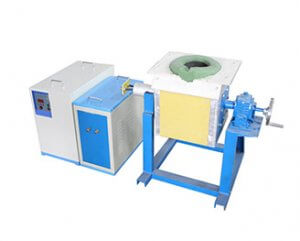
Induction Melting Furnace Brief Description The development of the medium frequency induction furnace and its superiority has injected new vitality into the casting production. The medium frequency furnace has the advantages of small size, light weight, high efficiency and favorable environment, which makes it a rapid replacement for coal-fired furnaces, gas furnaces, oil-fired furnaces and ordinary resistance furnaces. It is a new generation of metal heating equipment. The medium frequency induction melting furnace has high electrical efficiency and thermal efficiency, short melting time, less power consumption, less land occupation, lower investment, flexible production and easy implementation of process automation. Comparing to other cast iron melting furnaces, it has attracting remarkable development in recent years and is widely used in cast iron production. 1 Induction Melting Furnace has wide frequency range from 1KHZ to 20KHZ, which can be adjusted according to the specific size of the workpiece or the depth of heating, with large range of adaptation. Considering the melting capacity, electromagnetic stirring, heating efficiency, noise and other factors to design an induction loop and matching compensation capacitor so that to determine the size of the output frequency. 2 With traditional medium frequency parallel-oscillating structure, induction melting furnace is simple load matching, high efficiency and high utilization of equipment. 3 Reverse process, which makes reliability increased greatly under the state of large power, and which makes the device developed greatly in high-power field so that to realize the 100% load. 4 High efficiency energy-saving: with the whole power range, high power factor and power efficiency, compare to silicon controlled medium frequency, it can save at least 20% energy. 5 Induction melting furnace is small size, light weight, completed models, and there is a large range to choose. It not only can be used in industrial production, but also available in small melting test in school institute. 6 Commonly used for melting steel, stainless steel, copper, gold, silver and other materials. There is a wide range of melting capacity, from a few kilograms to hundreds of kilograms. This induction melting furnace not only can be used in industrial production, but also available in small melting in school institute. 7 Medium Frequency melting furnace has a good performance in electromagnetic stirring, which can evenly melting the metal in temperature and structure aspect. It is conducive to scum, reduce impurities. 8 Compare to silicon controlled medium frequency, it can save at least 20% energy. Medium Frequency Induction melting furnace is mainly composed of a power source, an induction coil and a crucible made of refractory material inside the induction coil. The crucible contains metal charging, which is equivalent to the secondary winding of the transformer. When the induction coil is connected to the AC power source, an alternating magnetic field is generated in the induction coil, and the magnetic flux cuts the metal charging in the crucible. Then an induced electromotive force is generated in the furnace. Since the charging itself forms a closed loop, the secondary winding is characterized by only one turn and is closed. Therefore, an induced current is simultaneously generated in the charging, and when the induced current passes through the charging, the charging is heated to cause it to melt. 1 Fast melting speed, good power saving effect, small burning loss and low energy consumption. 2 With self-mixing function, melting temperature and uniform metal composition. 3 Good and friendly electric heating work environment. 4 Good start performance. Empty furnace or full furnace can reach 100% start. Product Series 1~3KG Mini Induction Melting Furnace 3~5KG Small Metal Melting Machine High Frequency Induction Melting Furnace Metal Melting Induction Machine Medium Frequency Induction Melting Furnace Tilting Metal Smelting Furnace
Read MoreInduction heating is a highly efficient and precise method of heating that offers numerous advantages for a variety of heating applications. Here are some reasons why you should consider induction heating for your heating needs:

Induction heating allows for rapid and uniform heating of the material being heated, leading to faster processing times and higher productivity.

Induction heating is a highly energy-efficient method of heating, as it only heats the material being processed and not the surrounding environment. This results in lower energy consumption and reduced operating costs.

Induction heating offers precise temperature control, allowing for accurate and consistent heating of materials. This is particularly important for applications that require strict temperature regulation.

Induction heating is a clean and safe heating method, as it does not involve the use of open flames or generate harmful fumes. It also produces no waste products, making it an environmentally friendly heating solution.

Induction heating can be used for a wide range of heating applications, from melting metal to annealing glass. It is suitable for heating a variety of materials, including metals, plastics, and composite materials.

While the initial investment in induction heating equipment may be higher than traditional heating methods, the long-term cost savings, energy efficiency, and increased productivity make it a cost-effective heating solution in the long run.
Induction heating is a process utilized for the precise and repeatable heating of metals and other electrically conductive materials, employing a safe, non-contact method.
Induction heating provides fast, efficient, and controllable heat with increased safety but comes with higher initial costs, uneven heating in some parts of the workpiece, and potential localized overheating.
Power dissipation in resistance, known as I2R loss, is essential in resistance heating. Induction heating is split into direct and indirect methods, just like resistance heating, which also divides into direct and indirect types.
Induction and electric cooktops, while often seen as similar, actually utilize different cooking technologies. Induction cooktops are notably more efficient, heating up 40% faster and using energy more effectively than traditional electric cooktops.
Induction cooking is recognized for its superior efficiency compared to conventional cooking methods. This technology ensures minimal heat loss during cooking, allowing the cookware to be heated directly without unnecessarily warming the surrounding environment.
Induction heating represents a precise, repeatable, and non-contact technique for heating materials that are electrically conductive, such as brass, aluminum, copper, and steel or semiconducting materials like silicon carbide.
An induction heating system comprises a tank circuit, a power supply, and a work coil, with a substantial current that often requires a water cooling unit in industrial settings to manage heat effectively.
Get a customized induction heating solution tailored to your production needs.


