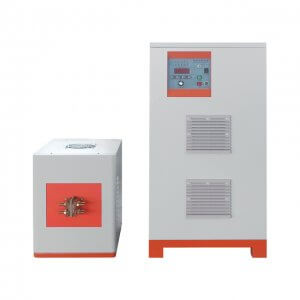
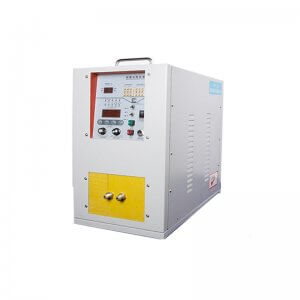
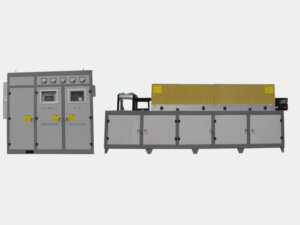
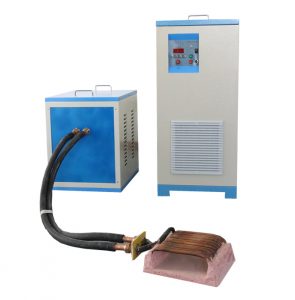
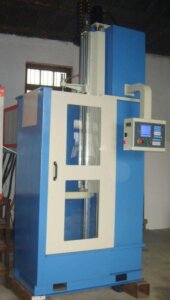
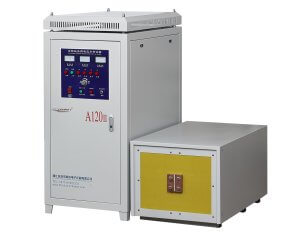
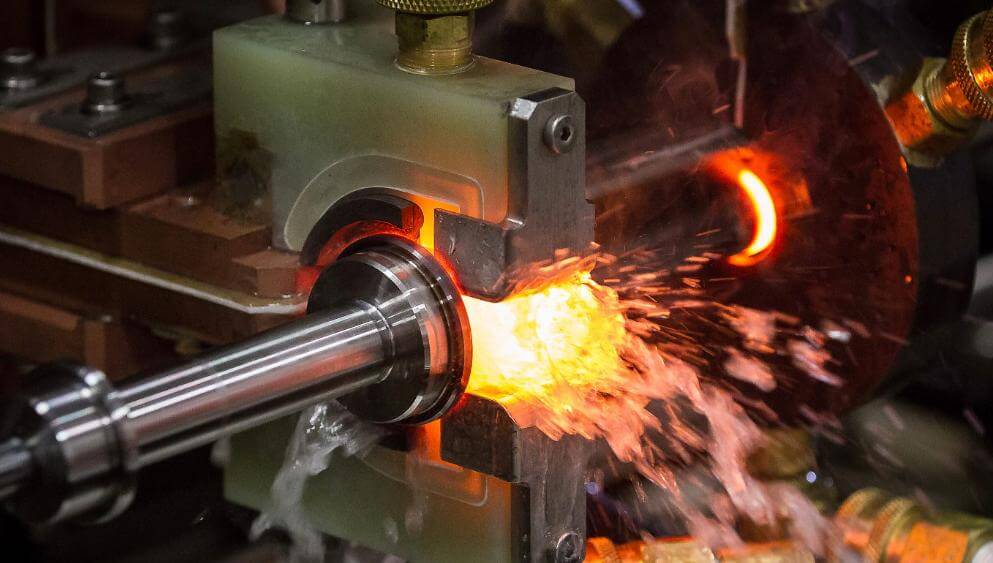
Discover the advantages of the induction forging process, including enhanced precision, energy efficiency, and industrial applications.

- E-mail: yqkexin@gmail.com
-
Prinova Global
Archives: Blog
What Are the Advantages and Disadvantages of lnduction Hardening?
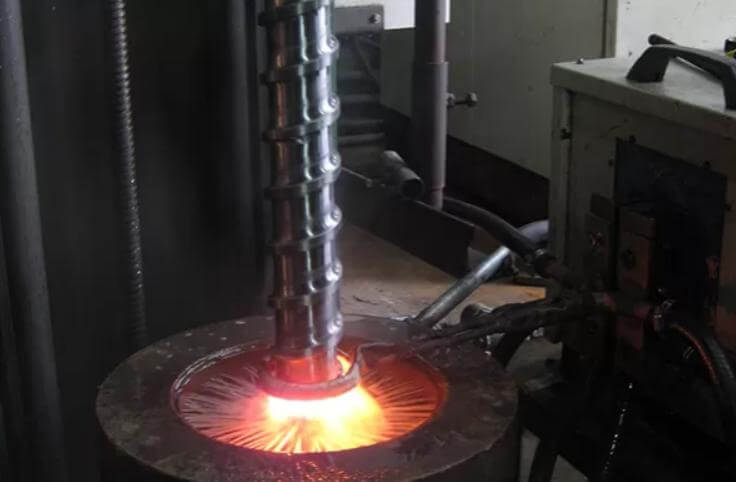
In this blog, we’ll explore these aspects in detail to help you understand the process and determine if it’s suitable for your material.
Exploring High Frequency and Medium Frequency Induction Heating Equipment
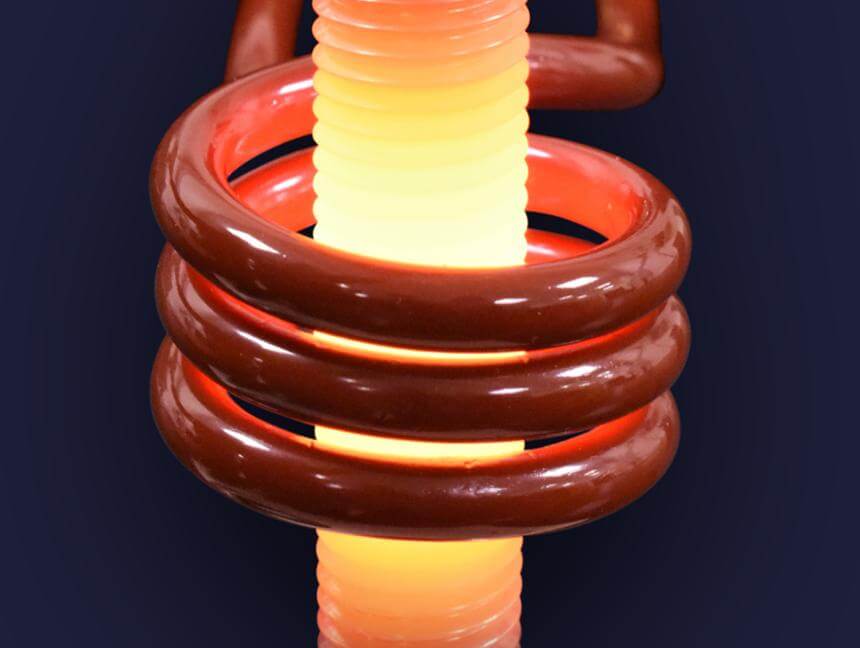
Learn which is best for surface treatments, small parts hardening, or deep, uniform heating of larger components.
Factors To Consider When Selecting a Silver Melting Induction Furnace
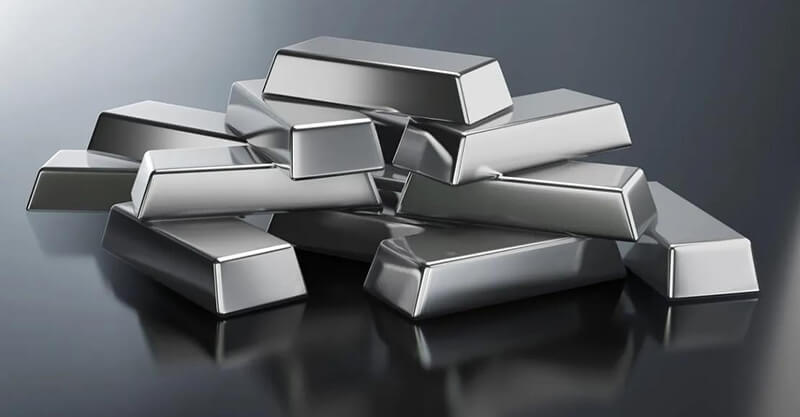
Let’s discover the remarkable efficiency and versatility of induction melting in the realm of silver.
How to Melt Stainless Steel Using Induction Furnace?
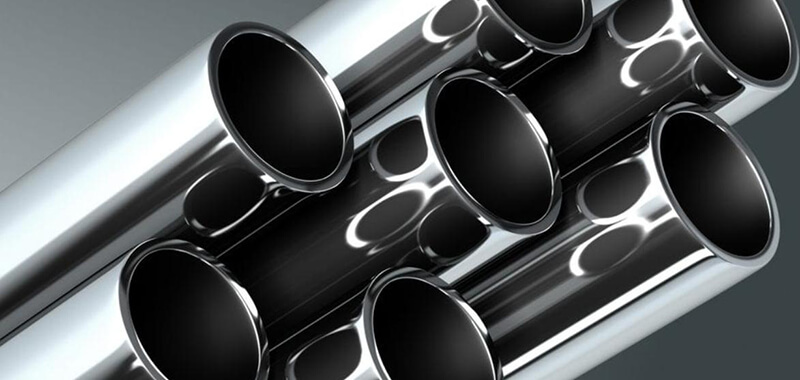
In this article, we’ll explore the step-by-step process of melting stainless steel using an induction furnace and share some expert advice for optimal results.
Induction Hardening: Learn its Processes, Advantages, Disadvantages & Applications
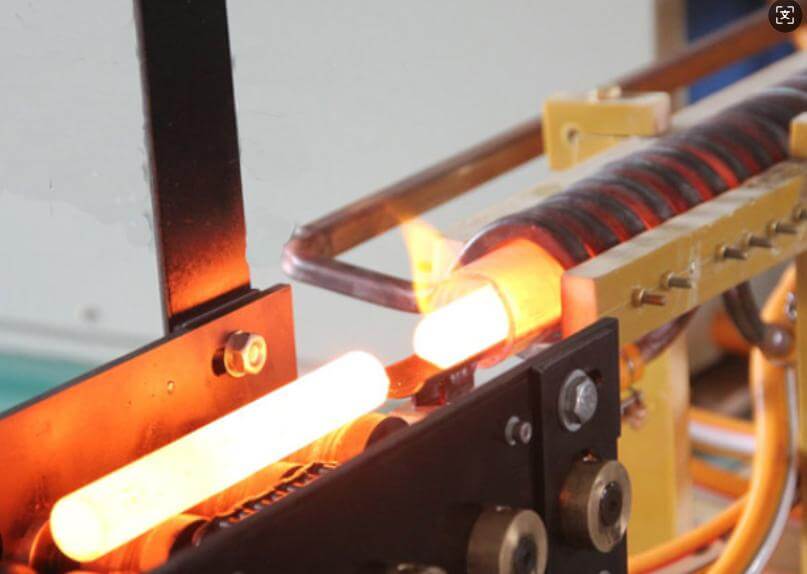
In this article, we’ll explore how induction hardening works, what it does to a material’s properties, where it’s used, and how it compares to other hardening methods.
Boosting Forge Line Efficiency with Induction Bar Heaters
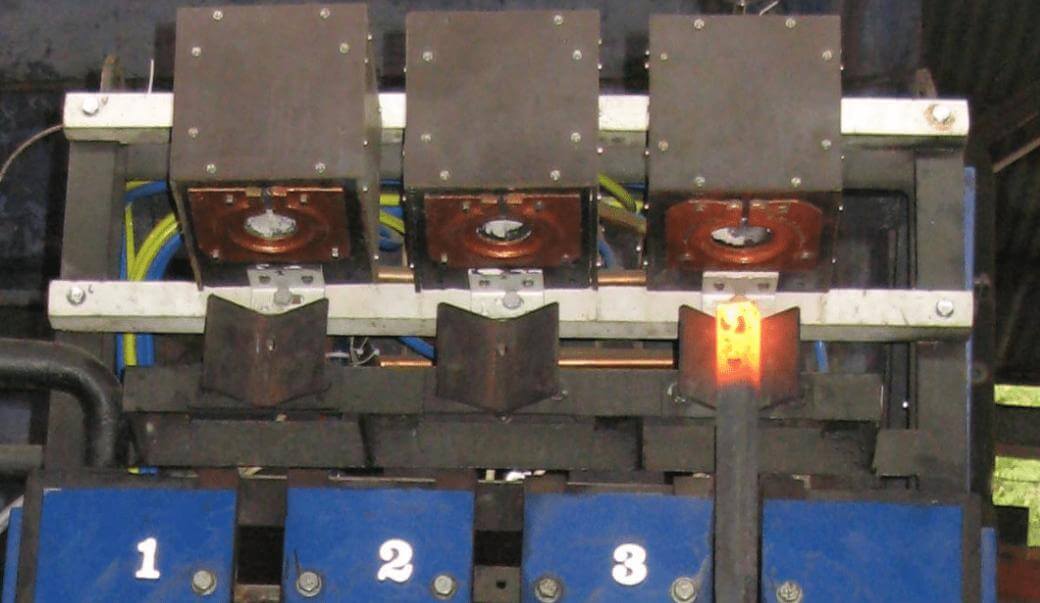
In this article, we will explore the advantages of using induction rod heaters in forging applications.
What is Resistance Heat Treatment?

In case of resistance heating, we may use alternating current (AC) or direct current (DC) for heating.
Choosing the Right Induction Melting Furnace for Your Business

When it comes to metal casting and melting, choosing the right induction melting furnace can significantly impact the efficiency, quality, and profitability of your operations.
Induction Billet Heaters: The Smart Choice for Forging Efficiency
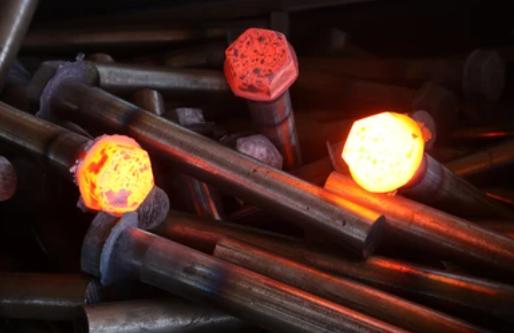
This article explores what induction billet heaters are, how they work, and where they are widely used.
Top 11 Reasons to Switch to Induction Smelters in 2025

Induction Smelters furnaces are widely used across industries to melt and smelt metals such as gold, silver, copper, aluminum, and more.
Why Your Induction Heater Isn’t Working: Common Issues Explained?
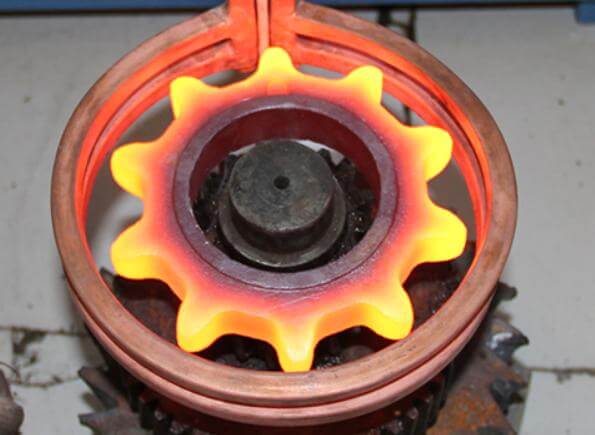
Proper maintenance of your induction heater involves more than just addressing issues as they arise—it requires proactive prevention.