
- E-mail: yqkexin@gmail.com
-
Kexin Global
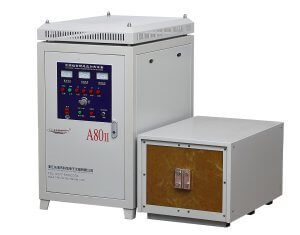
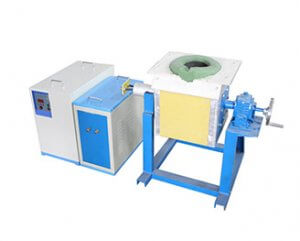
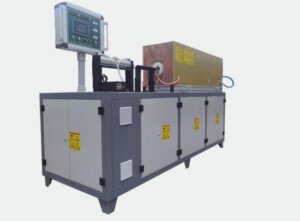
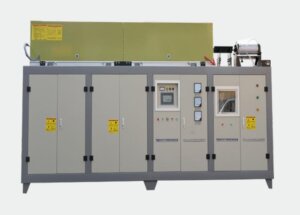


Introduction
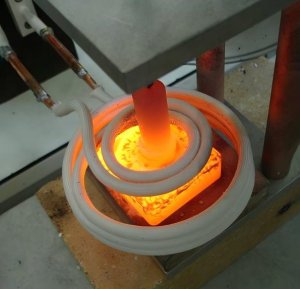
Aerospace and defense manufacturers require exceptional process accuracy, material integrity and production consistency. Induction heating provides localized, controllable heating without open flames, making it ideal for manufacturing high-value components where dimensional accuracy and metallurgical quality are critical.
Compared with conventional flame or furnace heating, induction heating reduces thermal distortion, shortens production cycles and improves repeatability. It is widely used in commercial aviation, military equipment, spacecraft manufacturing and aerospace maintenance operations.
Key Applications
- Aerospace component brazing
- Welding preheating
- Heat treatment
- Annealing
- Shrink fitting
- Composite bonding
- Heat staking
- Assembly and disassembly
- Turbine component repair
Related Applications
Advantages of Induction Heating in Aerospace & Defense
Induction heating enables manufacturers to achieve highly controlled thermal processing while maintaining the material properties required for aerospace and defense applications.
Production Benefits
- Precise Heating: Delivers localized heating without affecting surrounding material.
- Excellent Repeatability: Produces consistent thermal cycles for critical aerospace components.
- Reduced Distortion: Minimizes heat-affected zones and dimensional changes.
- Fast Processing: Significantly shortens heating and production times.
- Clean Manufacturing: Flame-free process reduces oxidation and contamination.
- Energy Efficient: Concentrates energy only where heat is required.
- Automation Ready: Easily integrates into robotic manufacturing and automated production systems.
Current Applications in Aerospace & Defense Manufacturing
Induction heating supports the production, assembly and repair of high-performance aerospace and military components where precision and reliability are essential.
Aircraft Engine Components
- Turbine Blade Heat Treatment: Improves hardness, fatigue resistance and service life.
- Engine Component Brazing: Joins sensors, probes, nozzles and precision assemblies.
- Nickel Alloy Processing: Heats Inconel and other high-temperature alloys for forming and joining.
- Component Repair: Supports repair and refurbishment of turbine components.
Landing Gear & Flight Control Systems
- Surface Hardening: Strengthens shafts, gears and landing gear components.
- Shrink Fitting: Enables precision assembly of bearings, hubs and rotating components.
- Welding Preheating: Reduces residual stress before welding high-strength alloys.
- Localized Heat Treatment: Improves wear resistance without affecting adjacent areas.
Fuel Systems & Aerospace Tubing
- Fuel Line Brazing: Produces reliable leak-free joints.
- Tube Annealing: Softens stainless steel and titanium tubing for forming.
- Heat Exchanger Manufacturing: Brazes copper and alloy components.
- Precision Connector Assembly: Supports reliable joining of aerospace fluid systems.
Defense Manufacturing
- Military Vehicle Components: Heat treatment and assembly of transmission and drive components.
- Missile & Defense Systems: Precision heating for structural assemblies.
- Weapon System Components: Controlled heating for mechanical assemblies.
- Electronics Heat Staking: Assembly of precision electronic housings and structural parts.
- Defense Equipment Maintenance: Portable induction heating for repair and disassembly.
Composite & Advanced Materials
- Composite Bonding: Controlled heating during adhesive curing.
- Carbon Fiber Assembly: Supports bonding of lightweight aerospace structures.
- Heat Staking: Secures inserts and structural components.
- Hybrid Material Joining: Enables reliable bonding of dissimilar materials.
FAQs
What aerospace applications use induction heating?
Induction heating is used for brazing, welding preheating, heat treatment, annealing, shrink fitting, composite bonding and aerospace component repair.
Why is induction heating preferred in aerospace manufacturing?
It provides precise, localized and repeatable heating while minimizing distortion and oxidation, making it ideal for high-value aerospace components.
Can induction heating process titanium and nickel alloys?
Yes. Induction heating is widely used for titanium, Inconel and other aerospace-grade alloys.
Is induction heating suitable for aerospace automation?
Yes. KEXIN systems integrate with robotic production cells, PLC controls and automated manufacturing lines.
Can induction heating be used for aerospace maintenance?
Yes. It supports component repair, shrink fitting, bearing removal and localized heating during aircraft maintenance.
How do I choose the right induction heating system?
Selection depends on material type, component dimensions, heating requirements, production volume and process specifications. KEXIN engineers provide customized application recommendations.
Image Gallery

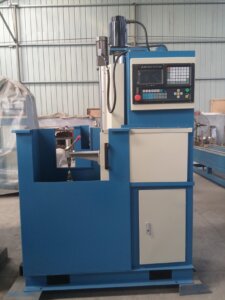
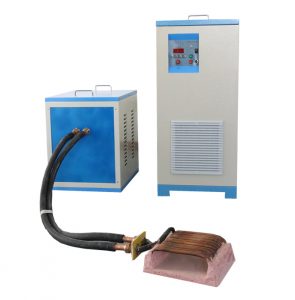
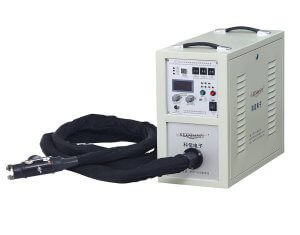
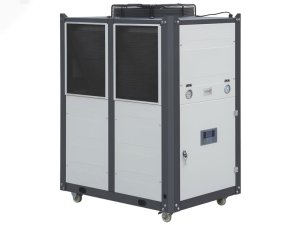
Stable, high-standard induction heating systems for aerospace manufacturing.

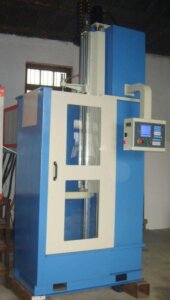
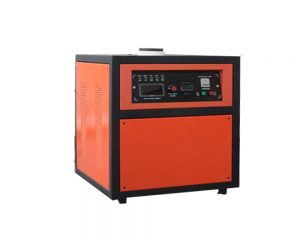
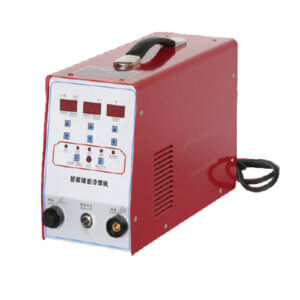
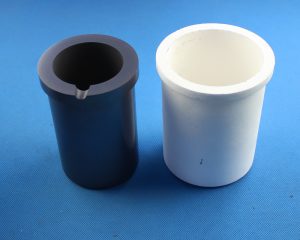
One-stop customized induction coil service for aircraft parts processing.

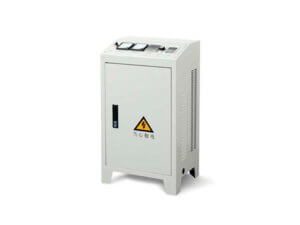
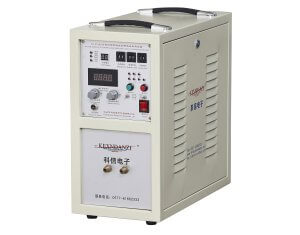
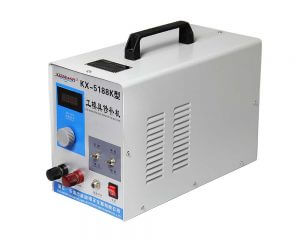
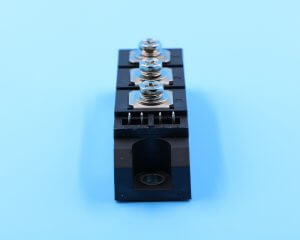
High-tolerance induction heating systems crafted for aviation’s most demanding applications.

Request A Quote
Tell us about your industry.
Our engineers can help you select the right induction soldering machine based on your material, joint design, heating requirements and production goals.