
- E-mail: yqkexin@gmail.com
-
Kexin Global
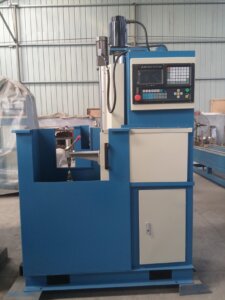
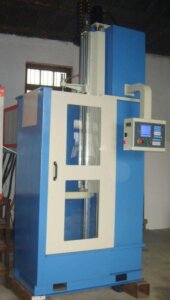
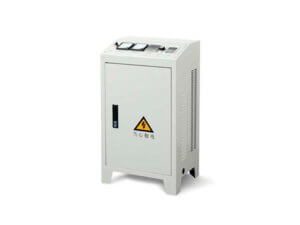
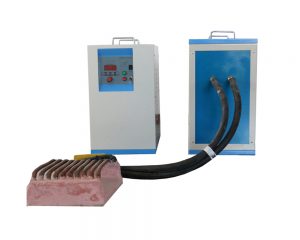


Innovative Applications of Induction Heating Technology
Induction heating technology has evolved far beyond its early applications in metal hardening and forging.
September 18, 2025
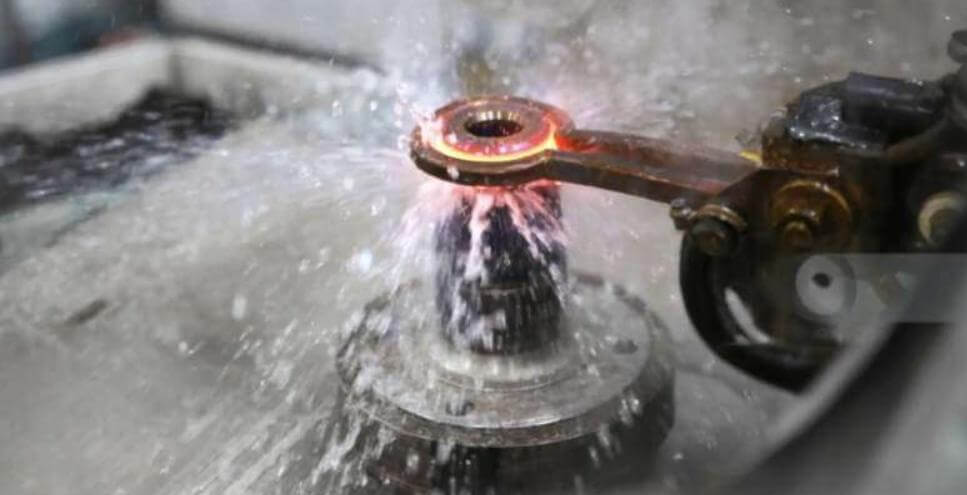
Induction heating is a modern process that has gained popularity thanks to its unique advantages.
When a rapidly alternating electric current passes through a metal workpiece, it generates what’s known as the skin effect—concentrating the current near the surface and producing a highly targeted heat source.
This principle, discovered by Michael Faraday along with the broader phenomenon of electromagnetic induction, laid the foundation for what we now call induction heating.
Unlike traditional methods, induction heating doesn’t rely on an external heat source. Instead, the workpiece itself becomes the heat source, with no direct contact between the metal and the induction coil.
This approach provides several key benefits: adjustable heating depth by selecting different frequencies, precise localized heating through coil coupling, and extremely high power density.
As a safe, efficient, and sustainable heating method, induction heating is widely applied across industries, especially for ferrous metals. By transferring energy directly into the component, it significantly reduces wasted heat.
Compared to open flames and other conventional techniques, induction heating delivers better efficiency, cleaner operation, and a reduced environmental footprint.
Kexin Electronic Instrument’s mission is to provide solutions that empower workshops and technicians to tackle everyday challenges, increase profitability, and minimize the risk of unnecessary injuries, damage, or costly repairs.
Fundamental Principles of Induction Heating
Induction heating works by using electromagnetic induction to generate electric currents—known as eddy currents—inside the material itself. These currents produce heat directly within the workpiece, making the process highly efficient.
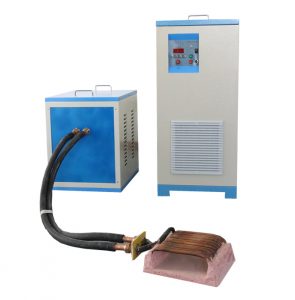
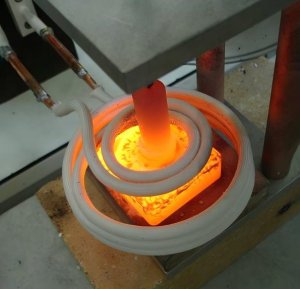
A typical induction heating system consists of three main elements: an induction coil, an AC power supply, and the workpiece.
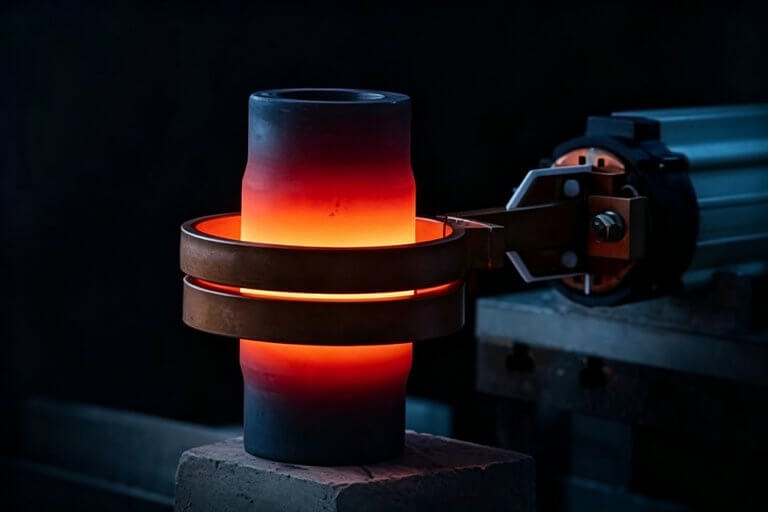
The coil, which can be designed in various shapes to suit different applications, is connected to the power supply. When alternating current flows through the coil, it creates an alternating magnetic field.
As the workpiece is placed within this field, eddy currents are induced in the material, rapidly heating it from the inside out.
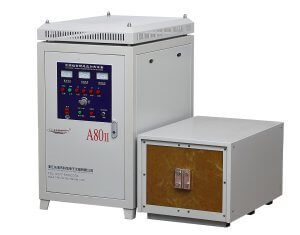
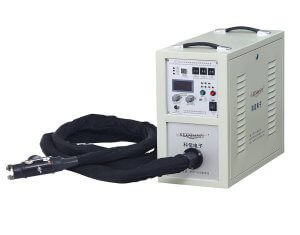
High-frequency Induction Heaters for Brazing
When it comes to creating strong, reliable joints between dissimilar metals, induction brazing stands out as one of the most mature and versatile applications of induction heating technology. I’ve seen this method revolutionize joining processes across industries from household appliances to aerospace engineering.
Major Applications
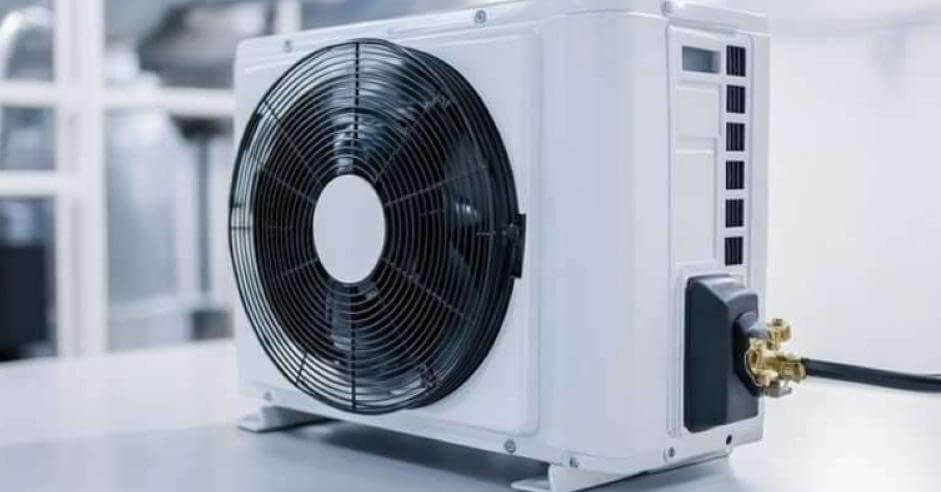
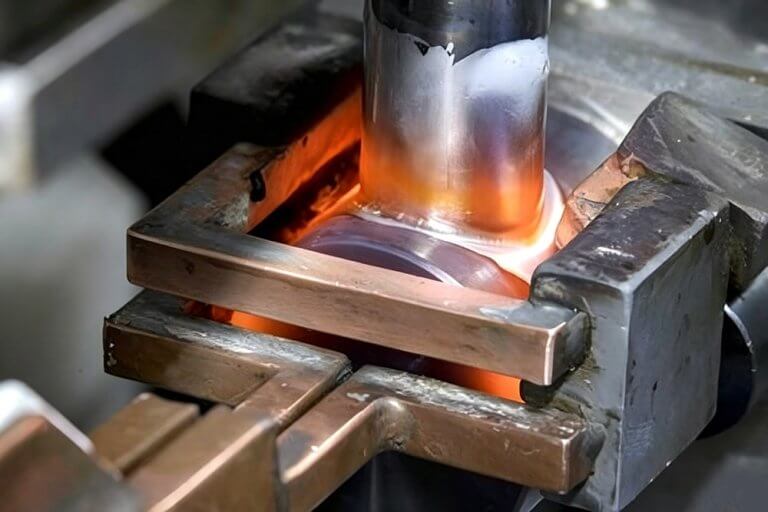
In the HVAC sector, induction brazing has become the standard method for joining copper pipes and aluminum components in refrigeration systems.
The process enables:
- Aluminum part bonding for cooling coils and refrigerant evaporators.
- High-volume production lines processing thousands of identical joints per shift with consistent quality.
- Compressor manufacturing where reliable joints are critical for system longevity.
- Copper pipe joining in air conditioning systems – creating leak-proof refrigerant lines that withstand years of pressure cycling.
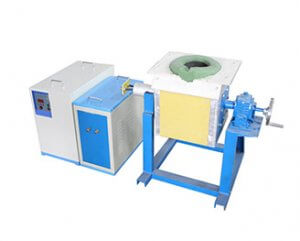
Induction Heaters for Metal Melting
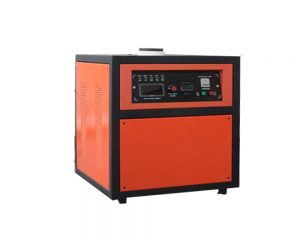
High-frequency induction melting furnaces revolutionized modern metallurgy by offering the fastest, cleanest and most energy-efficient melting solution for foundries and metal producers.
In contrast to conventional combustion-based furnaces, these advanced systems deliver exceptional temperature accuracy and alloy consistency—key elements for producing high-performance castings and specialty metals.
Major Applications
Jewelry Manufacturing
- Ultra-precise precious metal fusion: Induction melters achieve ±1°C stability for gold/silver/platinum – vital for maintaining exact melting points and flawless alloy mixing in jewelry-grade metals.
- Recycled precious metal processing: efficient recovery systems maximize yield from scrap while maintaining metal purity, with integrated filtration removing impurities from old jewelry.
- Custom jewelry casting with flawless surface finish: precise temperature control (±5°C) prevents overheating of delicate alloys while maintaining perfect fluidity for thin sections and fine details in rings, chains, and other jewelry items.

Foundry Operations
- Aluminum alloy preparation for wheel and chassis parts: clean melting with reduced hydrogen content is achieved, with precise temperature control (±3°C) crucial for safety-critical automotive applications where porosity must be minimized in thin-walled castings.
- High-volume production of automotive castings (engine blocks, cylinder heads): induction melting enables rapid, large-scale production of critical automotive components.
- Continuous casting of steel billets and copper rods: this technology provides clean, homogeneous melts required for continuous casting operations.
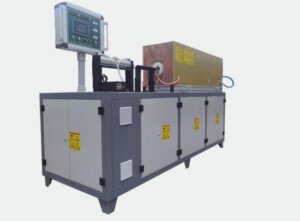
Induction Heaters for Forging Operations
In modern metal forming processes, people increasingly rely on induction heating technology as their primary thermal processing solution.
This advanced heating approach meets the growing requirements of precision forging while overcoming the limitations of conventional heating approaches.
Induction heating transforms metal forging by addressing two key issues- inconsistent heat distribution and energy waste.
Unlike traditional furnace heating, induction provides:
Key Industrial Applications
Aerospace Forging
- Rocket components: Vacuum induction heating for critical titanium forgings.
- Landing gear: Uniform heating of large titanium billets (up to 1m diameter).
- Turbine blades: Heat nickel superalloys (Inconel 718) to ±15°C for isothermal forging.
- Structural frames: Precise heating of aluminium forgings for aircraft fuselage parts.
Induction heating’s precision and efficiency have made it indispensable for modern forging operations across automotive, aerospace, and industrial applications.
Automotive Forging
- EV battery components: Heats copper busbars for forging without oxidation.
- Suspension components: Rapid heating of tie rods and ball joints for high-volume production.
- Transmission gears: Localized heating of gear blanks reduces distortion during die forging.
- Crankshafts: Precisely heats journal bearings to 1200°C for precision forging, improving grain structure.
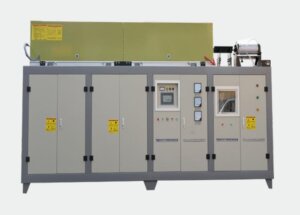
Induction Heaters for Surface Treatment
Induction hardening, as the most critical surface treatment application in modern manufacturing for compelling reasons.
As the process commanding the largest market share in industrial heat treatment, it solves the fundamental challenge facing automotive and heavy machinery industries: creating wear-resistant components that survive extreme operating conditions while maintaining production efficiency.
Major Applications
Heavy Machinery
- Hydraulic cylinders: Complete surface hardening of piston rods up to 6 meters long for excavators and presses.
- Agricultural equipment: Gearbox component treatment for tractors and harvesters operating in dusty conditions.
- Construction machinery: Bucket tooth reinforcement and edge hardening for loaders and backhoes.
- Heavy mining gear: Strengthening bulldozer track joints against rock and sand wear using targeted heat treatment.
Industrial Tooling
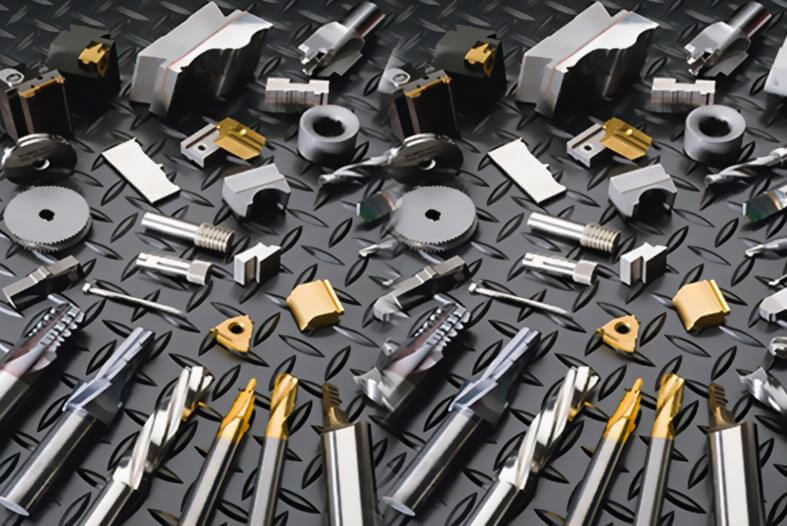
- Press tools: Selective hardening of punches and dies for extended tool life.
- Mold components: Core and cavity surface treatment for injection molding applications.
- Cutting dies: Precision edge hardening for blanking and punching tools in metal stamping.
- Plastic molds: Gate and runner surface enhancement to reduce wear in high-volume production.
Automotive Sector
- Transmission gears: Case hardening of helical and spur gears for EVs and hybrid vehicles, ensuring smooth power transfer under high torque conditions.
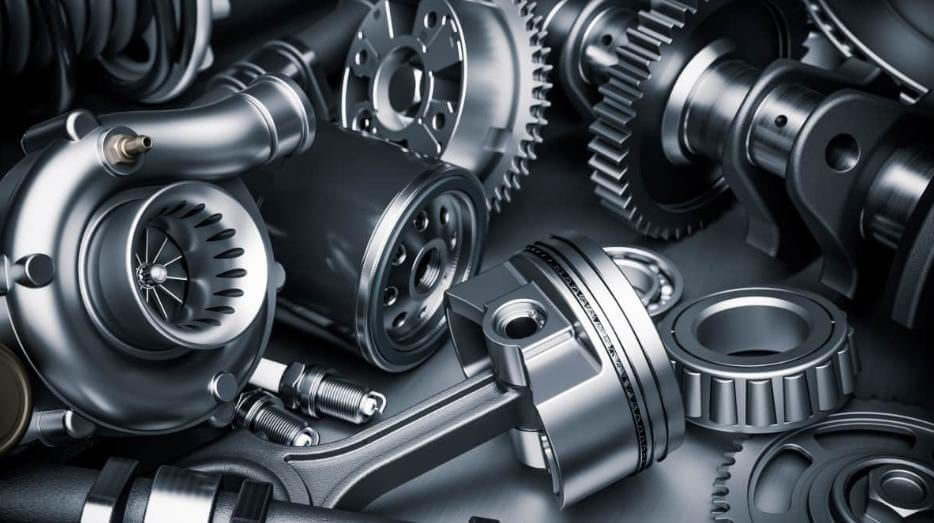
- Engine components: Camshaft lobe hardening for reduced friction and crankshaft journal treatment for enhanced durability.
- CV joints: Selective hardening of ball tracks and grooves for improved wear resistance in all steering conditions.
- Driveshafts: Precise hardening of splined sections and bearing surfaces to withstand rotational stresses.
Conclusion
Induction heating technology has evolved far beyond its early applications in metal hardening and forging. Today, it is driving innovation across a wide range of industries—from precision electronics manufacturing and clean energy production to medical device manufacturing and sustainable transportation.
Its ability to deliver heat quickly, precisely, and contactlessly improves efficiency and product quality while reducing energy waste and environmental impact.
As industries continue to seek cleaner, smarter, and more cost-effective solutions, induction heating is emerging as a transformative technology that is shaping the future of manufacturing and beyond.
Related Articles
Explore News >
Request A Quote
Can't find the answer you need? Tell us about your application and our engineers will get back to you.