
- E-mail: yqkexin@gmail.com
-
Kexin Global


Induction Shrink Fitting: How to Assemble Metal Parts with Precision Heat
Learn the induction shrink fitting process for assembling gears, bearings & couplings. Compare with traditional methods & discover how precision heat ensures a perfect interference fit.
May 10, 2026
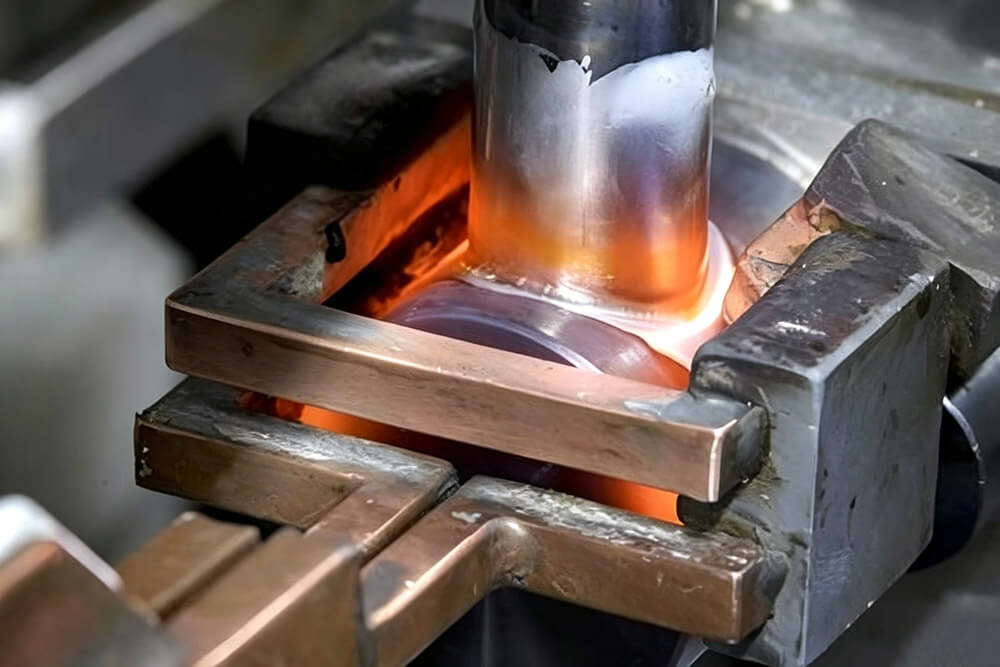
Fitting a gear onto a shaft, a bearing onto a spindle, or a coupling onto a motor is a routine assembly task in many industrial applications. When an interference fit is used, the bore of the component is slightly smaller than the mating shaft, creating a tight mechanical fit once the parts are assembled.
Rather than forcing the components together and risking damage to the mating surfaces, the outer part can be heated so that the bore expands temporarily. Once it reaches the required temperature, the component can be positioned on the shaft and allowed to cool, producing a secure interference fit.
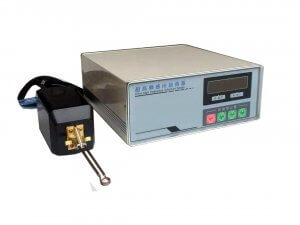
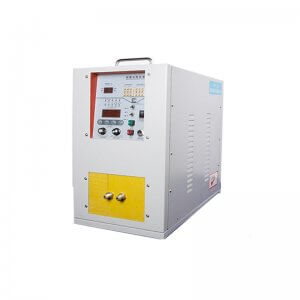
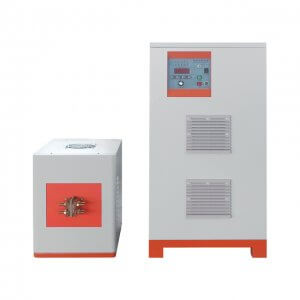
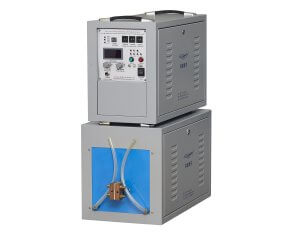
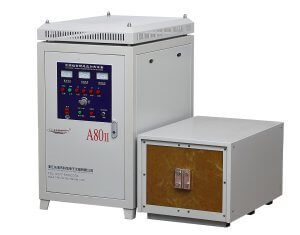
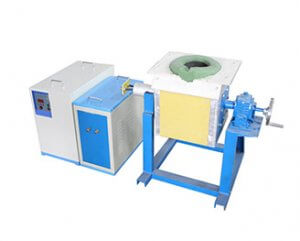
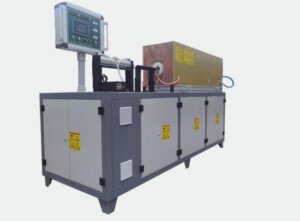
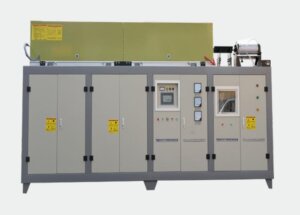
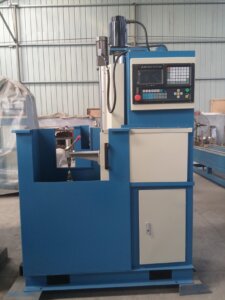
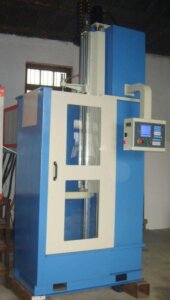
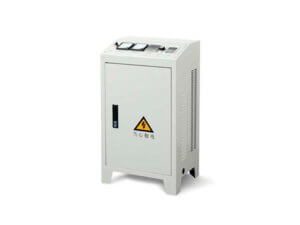
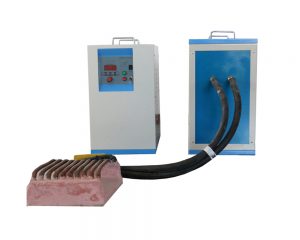
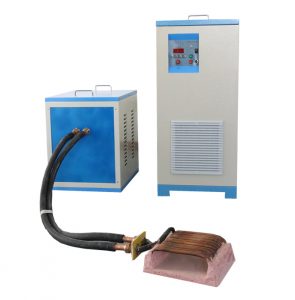
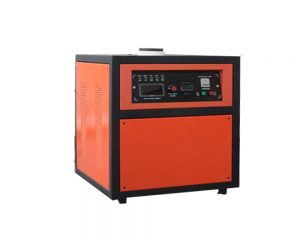
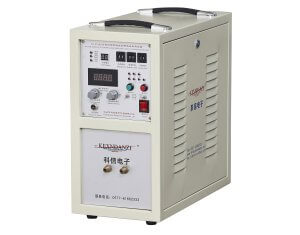
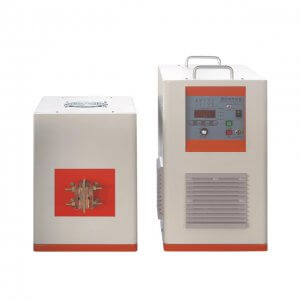
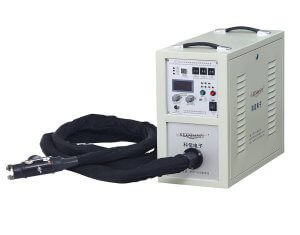
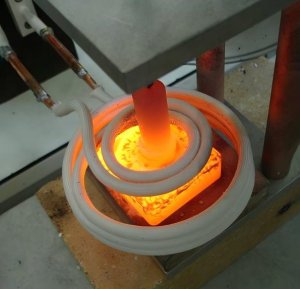
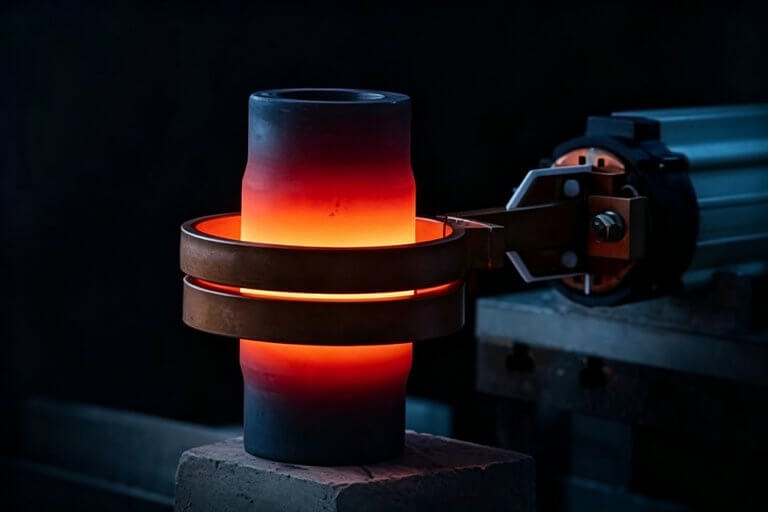
Induction heating makes this process faster and more controlled by heating the component directly, often within seconds or minutes depending on its size, material, and the heating system. KEXIN supplies induction heating systems for shrink-fitting applications involving gears, bearings, couplings, and other interference-fit components.
This article explains how induction shrink fitting works, how it compares with conventional heating methods, and what to consider when selecting a system.

What Is Shrink Fitting?
Shrink fitting, also called thermal expansion fitting or shrink assembly, is a method of joining two metal parts using controlled heat. The outer component, such as a gear hub, a bearing inner ring, or a coupling, is heated so it expands.
The bore grows larger than the shaft diameter, and the part slides into position with a clearance fit. As it cools, the outer part contracts back to its original dimensions and grips the shaft with the force of the interference fit.
The principle is simple physics. Metal expands when heated, and the expansion is predictable for each material. For a typical steel hub, heating by a few hundred degrees can add a fraction of a millimeter to the bore, which is exactly the clearance needed to slide it onto a shaft with an interference of a few hundredths of a millimeter.
The process ends with a joint that is as strong as if the two parts had been machined from one piece, because the grip is mechanical and distributed around the full circumference of the bore.
Induction Shrink Fitting vs. Traditional Heating Methods
Shrink fitting has been done for over a century, and the older methods still work. What induction changes is the speed, the control, and the working conditions.
| Heating Method | Speed | Temperature Control | Typical Heat Time | Best Suited To |
| Induction | Seconds to minutes | Precise, sensor-based | 10-60 seconds | Production assembly, large parts, clean shops |
| Oil bath | Slow | Coarse, uneven | 30-90 minutes | Small parts, occasional jobs |
| Open flame | Moderate | Poor | 5-20 minutes | Field repairs, large components |
| Oven / furnace | Slow | Good | 1-4 hours | Batch work, temperature-sensitive alloys |
The most important advantage is control. Induction heats the part itself with an alternating magnetic field, and the temperature can be monitored and held within a tight window. Oil baths and open flames heat unevenly and can easily overheat a thin rim while the core stays cold.
Overheating risks two failures: the part can soften or change its metallurgy, and a bearing can lose its hardness or its internal clearance.
Speed is the second advantage. A gear hub that takes an hour in an oil bath can be ready in under a minute with induction. In a production line that assembles hundreds of units a day, that difference is the whole justification for the equipment.
How Induction Shrink Fitting Works
The process follows a fixed sequence, and each step is meticulously controlled:
Common Applications of Induction Shrink Fitting
Shrink fitting is used wherever interference fits are assembled, and induction brings it into production environments.
- Gear-to-shaft assemblies are the classic application. Gears are heated and dropped onto shafts, giving a joint that transmits torque without keyways on smaller drives.
- Bearing and bushing mounting is a daily job in maintenance and production. Heating a bearing inner ring expands it enough to slide over a shaft without force, protecting the bearing from the damage that pressing causes.
- Couplings and pulleys are fitted to motor shafts and driven equipment using the same technique.
- Motor rotors, armatures, and spindles in electric motors and generators are assembled by shrink fitting in high-volume production.
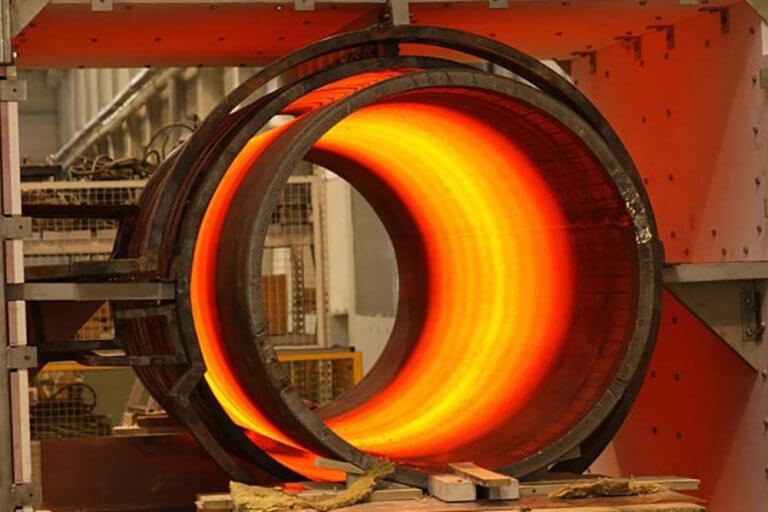
- Large steel components, including mill rolls, crane wheels, and hydraulic cylinders, are fitted in heavy industry where the parts are too heavy to press.
In every case, the benefit is the same: a strong, uniform interference fit assembled without force, without surface damage, and in minutes.
Why Temperature Control Matters
The single most important detail in shrink fitting is how much heat you apply. Get it right, and the fit is perfect. Get it wrong, and the part is scrap.
Heat too little and the bore does not expand enough, so the part will not slide or it jams halfway. Heat too much and you damage the material.
Bearings must stay below the temperature where the steel begins to temper, which is why bearing manufacturers specify a maximum heating temperature. Gears and shafts with hardened surfaces must not be heated enough to anneal them.
Induction heating makes this controllable. The power supply can be programmed with a target temperature, and the heating stops or holds automatically at the set point. This repeatability is what makes induction the preferred method for production shrink fitting, where every part must be fitted the same way every time.
Choosing an Induction Heating System for Shrink Fitting
Selection starts with the part size and the production rate.
The part determines the power level. Small hubs and bearings need a few kilowatts. Large gears, mill rolls, and heavy couplings need much more. The coil must be designed to match the part geometry, which is why coil design and optimization are part of the support package for any serious system.
The production rate determines the duty cycle. A cell that fits parts continuously needs a system rated for continuous operation. A maintenance shop that fits parts occasionally needs a lower-duty unit.
Look for a system with temperature control as standard, a coil that matches the part, and a supplier that provides process engineering support. At KEXIN, we supply induction heating systems with installation, commissioning, and technical training, so the equipment arrives with the knowledge to run it.

Shrink Fitting vs. Press Fitting
Shrink fitting is often compared with press fitting, where the outer part is forced over the shaft with a press. Both produce an interference fit, but they do it very differently.
Press fitting pushes the two parts together under load. The interference is overcome by force, and the surfaces slide against each other with high pressure. This can shave material, gall the surfaces, and generate heat at the joint. For hardened parts, such as bearing races and ground shafts, pressing risks damaging the very surfaces that the fit depends on.
Shrink fitting uses heat instead of force. The outer part expands, the parts slide together with clearance, and the joint forms as the outer part cools and contracts. There is no scraping contact, no surface damage, and no risk of galling. The joint is cleaner, and the parts stay in their original metallurgical condition.
Press fitting wins on speed for small, simple joints where surface damage is not a concern. Shrink fitting wins wherever the parts are large, hardened, or sensitive, and wherever the fit must be uniform around the full circumference.
Conclusion
Induction shrink fitting turns an old, slow assembly method into a fast, repeatable production process, and the equipment pays for itself in throughput and part quality.
Tell us the part size, the material, and the assembly rate, and we will recommend an induction heating system sized for the job. Contact KEXIN for a technical proposal, and our engineers will help you fit parts faster, cleaner, and with full control.
Related Articles
Explore News >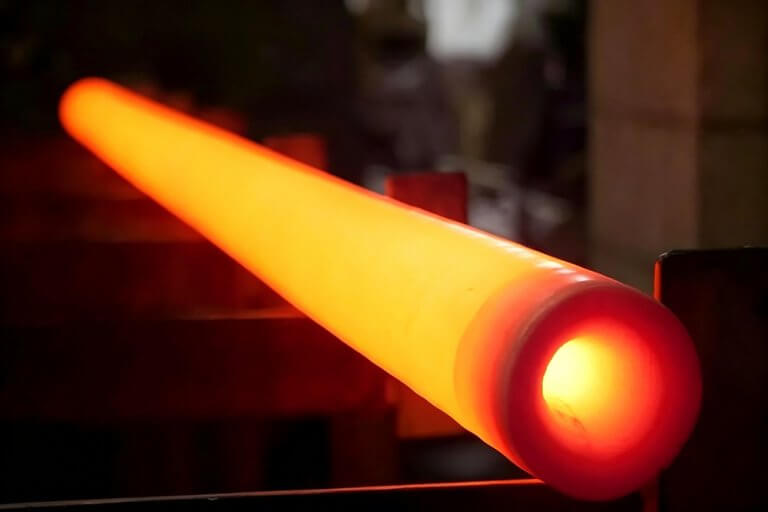
Request A Quote
Can't find the answer you need? Tell us about your application and our engineers will get back to you.