
- E-mail: yqkexin@gmail.com
-
Kexin Global


What is Resistance Heat Treatment?
In case of resistance heating, we may use alternating current (AC) or direct current (DC) for heating.
July 10, 2025

The type of heating in which the heating of an object takes place due to the resistance of the object in the flow of current through it, is called resistance heating.
The resistance heating is based on the principle of I 2 R loss, which states that if a current of I amperes flows through a conductor having a resistance of R ohms, then the power developed in the conductor in the form of heat is I 2 R, which results in the heating of the body.
In case of resistance heating, we may use alternating current (AC) or direct current (DC) for heating. The resistance heating is used in the different electrical appliances and industrial processes, such as in electric iron, electric heater, drying, baking of potteries, heat treatment of metals, etc.
What is Induction Heat Treatment?
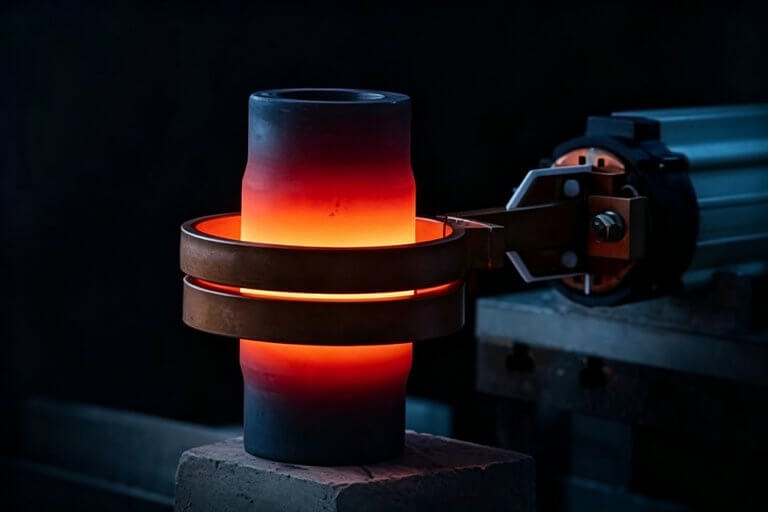
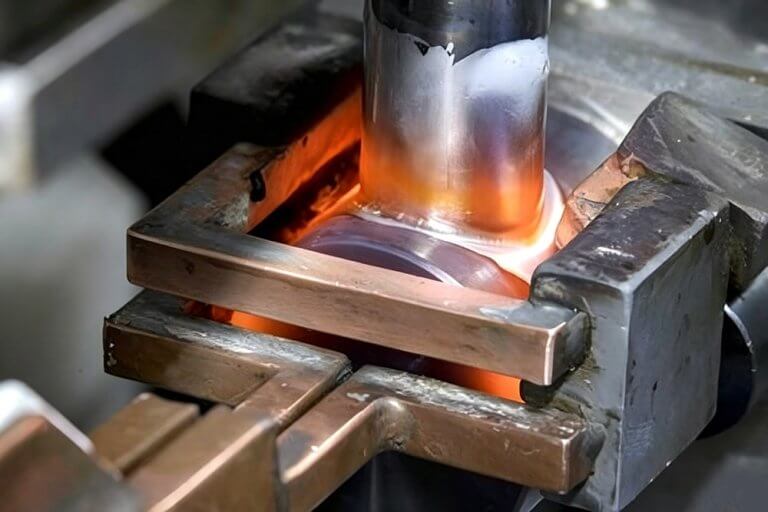
The type of electric heating in which heating a body is done by means of electromagnetic induction is known as induction heating.
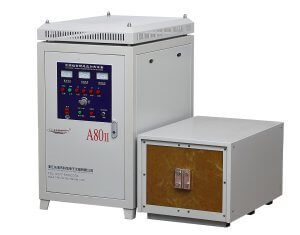
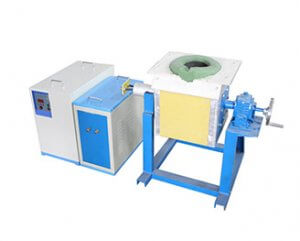
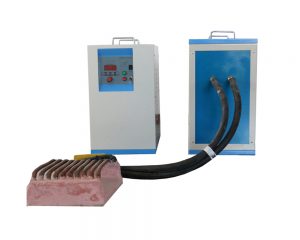
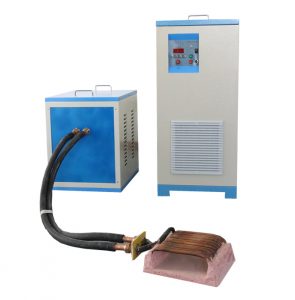
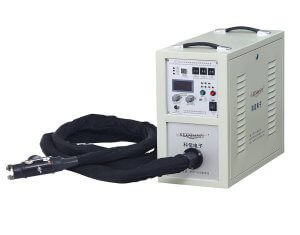
In the induction heating, a device called an induction heater is used, which consists of an electromagnet and an oscillator. The oscillator generates an alternating current (AC) of high frequency, which is passed through the coil of the electromagnet.
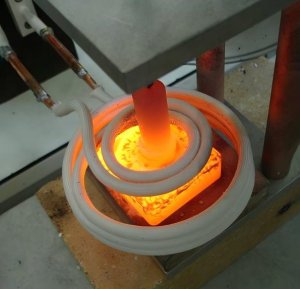
The changing magnetic field produced by the electromagnet is allowed to link with the object to be heated. This changing magnetic field causes the induction of an electric current (called an Eddy current) in the body of the object. When this induced current flows through the object, the material of the object resists the current flow and heats it as per Joule’s law of heating.
One of the most important features of Induction Heating is that it generates the heat inside the object itself. This results in less heat loss and rapid heating of the object. Further, it does not require any external contact, which may cause contamination issues.
The frequency of AC supply for induction heating depends on the material of the object, size of the object, coupling and the penetration depth, etc. The induction heating is used in industries for surface hardening, melting, brazing, soldering, etc.

Difference between Induction Heating and Resistance Heating
| DIFFERENCE | RESISTANCE HEATING | INDUCTION HEATING |
| Heating Method | Direct current flows through resistance | Electromagnetic induction |
| Contact Requirements | Direct contact required | Non-contact |
| Heating part | Heat is produced by a resistance wire and then transferred to the object to be heated. | Heat is directly produced in the object to be heated by electromagnetic induction. |
| Heating Profile | Generally uniform | Localised, customizable |
| Lifespan | 2 to 3 years | 4-5 years |
| Efficiency | 45-75% energy efficient | 70-90% energy efficient |
| Heat-up Time | Minutes to hours | Seconds to minutes |
| Operating Cost | Higher | Lower |
| Safe to touch | Dangerous to touch with hands. | Safe to touch with hands. |
| Material Limitations | Works with most materials | Works only with conductive materials |
| Power consumption | consumes relatively more power. | Consumes less power. It saves around 30% to 80% of power as compared to resistance heating. |
| Applications | Resistance heating is used in various domestic, commercial and industrial applications like electric iron, electric heater, cooking and baking, heat treatment of metals, etc. | The induction heating is mainly used in industries for surface hardening, melting, brazing, soldering, etc. |
FAQs about Induction and Resistance Heating
1. Induction Heating Efficiency
Induction heating systems typically achieve efficiency ratings of 70-90%, making them among the most energy-efficient heating technologies available.
This high efficiency results from:
- Direct heating within the workpiece without heating the surrounding air
- Rapid heating that reduces overall energy consumption
- Minimal heat loss compared to conventional heating methods
- Precise control allowing heat to be generated only where needed
2. Resistance Heating Efficiency
Resistance heating systems typically operate at 45-75% efficiency, with several factors contributing to energy loss:
- Heat is generated in the heating element and then transferred to the workpiece
- Significant heat loss to the surrounding environment
- Energy wasted heating non-target areas
- Extended heating times increasing overall energy consumption

Is induction heating safer than resistance heating?
Induction heating is generally considered safer as the heating coils themselves remain cool, reducing burn risks. Additionally, there are no open flames or red-hot elements, and the process can be immediately stopped by cutting power, with heat generation ceasing instantly.
Which heating method is more energy-efficient?
Induction heating is significantly more energy-efficient than resistance heating, typically operating at 70-90% efficiency compared to 45-75% for resistance heating. This efficiency difference results in substantial energy cost savings over the equipment lifespan.
What are the main factors affecting induction heating performance?
Key factors include the material’s electromagnetic properties, the distance between the coil and workpiece (coupling), frequency selection, power density, and coil design. These variables can be optimized for specific applications to achieve ideal heating patterns.
Can induction heating be used for non-metallic materials?
Induction heating works directly on electrically conductive materials, primarily metals. However, non-conductive materials can be heated indirectly by placing them in contact with an induction-heated susceptor (a conductive material that transfers the heat).
Conclusion
The choice between induction heating and resistance heating ultimately depends on your specific application requirements, production volumes, quality standards, and long-term cost considerations.
While induction heating technology typically requires a higher initial investment, its superior efficiency, speed, precision, and quality benefits deliver compelling advantages for most industrial heating applications.
As energy costs continue to rise and manufacturing demands increasingly emphasize speed, precision, and quality, induction heating technology represents a forward-looking solution that addresses both current needs and future challenges.
The remarkable versatility of induction heating across industries—from automotive manufacturing to aerospace, from general metal fabrication to specialized medical device production—underscores its position as the preferred heating technology for modern industrial processes.
Related Articles
Explore News >
Request A Quote
Can't find the answer you need? Tell us about your application and our engineers will get back to you.