
- E-mail: yqkexin@gmail.com
-
Kexin Global


How to Set Temperature and Heating Time for Induction Tempering
Discover how induction tempering reduces residual stress and balances hardness. Compare temperature bands, furnace vs. induction cycle times, and coil setup.
September 15, 2026
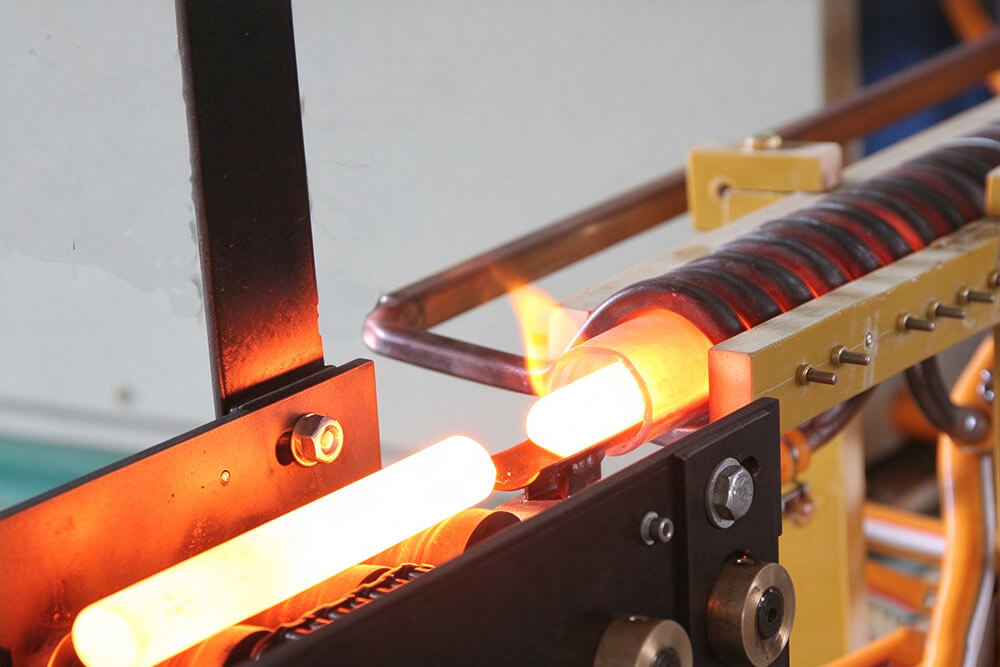
A hardened gear may meet its hardness requirements and still develop cracks during service. One possible cause is residual stress from quenching, which hardness testing alone cannot reveal. Tempering helps reduce these stresses while adjusting the hardness and toughness of the steel.
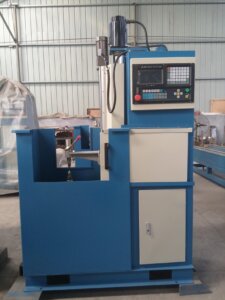
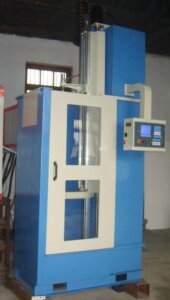
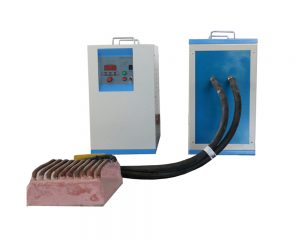
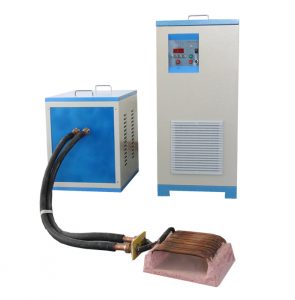
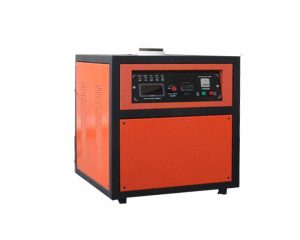
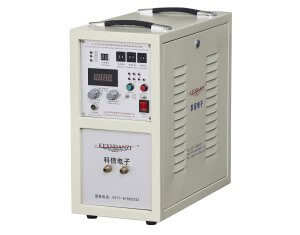
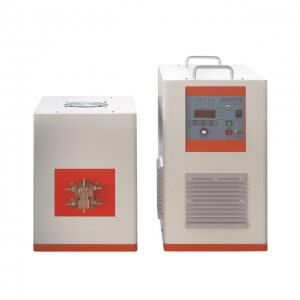
At KEXIN, we manufacture induction tempering equipment for gears, shafts, and other heat-treated components. The process requires careful control of heating temperature, time, and coil design. These settings depend on the steel grade, part geometry, and required mechanical properties.
How Induction Tempering Works
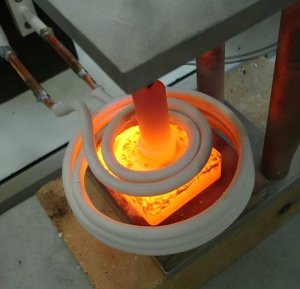
After quenching, hardened steel typically has high hardness but may also contain significant residual stresses and have limited toughness. Tempering involves reheating the steel to a controlled temperature below its critical transformation range. This allows changes in the hardened microstructure that help relieve stresses and improve toughness, usually with some reduction in hardness.
Induction tempering is commonly carried out at temperatures between 150 °C and 650 °C, depending on the steel grade and required properties. This is generally lower than the temperatures used for induction hardening, which often involves heating steel to approximately 800 °C–1000 °C before quenching. During tempering, the temperature must remain below the austenitizing range to preserve the hardened structure.
Tempering is also commonly used after carburizing and quenching. It helps reduce quenching stresses and adjust the hardness and toughness of the hardened case. The appropriate temperature and heating time depend on the material, case depth, and performance requirements of the component.
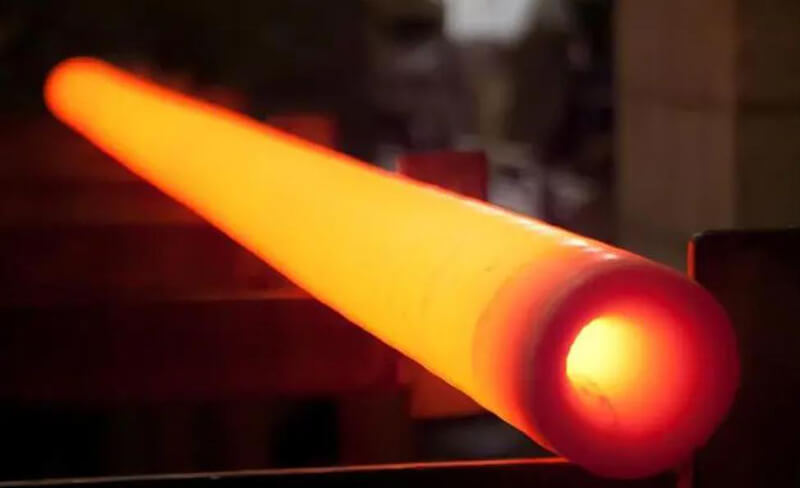
The Three Temperature Bands and What Each One Buys
The band you choose decides the property you get. Low temperature keeps most of the hardness and removes the worst of the stress. High temperature gives up hardness in exchange for toughness. Most production work lands on one of three bands.
| Band | Temperature | What It Does | Typical Parts |
|---|---|---|---|
| Low | 150 °C to 250 °C | Relieves stress, keeps near full hardness | Bearings, drills, cutting edges |
| Medium | 350 °C to 500 °C | Balances strength with toughness | Shafts, gears, connecting parts |
| High | 500 °C to 650 °C | Maximum toughness and ductility | Springs, tanks, structural tubes |
Those bands are guidance rather than fixed rules, since alloy chemistry shifts the response and the final call belongs to the part drawing. A 4140 shaft and a tool steel punch do not share a temperature even when they leave the same hardening cell.
The applications we see most often split along the same lines. Gears, shafts, deflector plates, drills, and cutting edges from buckets or wear liners all need a band that matches the load they carry.
Faster Tempering with Induction Heating
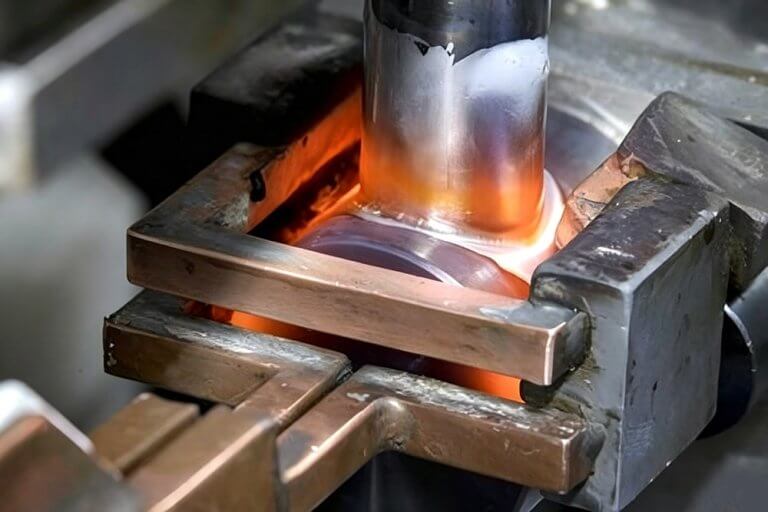
Furnace tempering holds a batch at temperature for hours and often cools overnight. Induction tempering heats the part directly, so a cycle measured in seconds reaches the same metallurgical result on the same alloy.
| Point | Furnace Tempering | Induction Tempering |
|---|---|---|
| Cycle time | Hours per batch | Seconds per part |
| Heating | Whole load, outside in | Part surface, by eddy current |
| Line integration | Batch station | Inline with hardening |
| Distortion risk | Higher on long thin parts | Lower, heated in place |
| Energy use | Large chamber mass to heat | Only the part is heated |
The second column explains why induction tempering fits a cell that already hardens by induction. The part leaves the quench, indexes into a tempering coil, and reaches temperature before it cools to room, which removes the queue between departments and the handling that goes with it.
Throughput depends on the coil and the power supply rather than on chamber size, and a quench and temper cell can run both steps on one line. The quench ahead of it also sets the stress the part carries in.
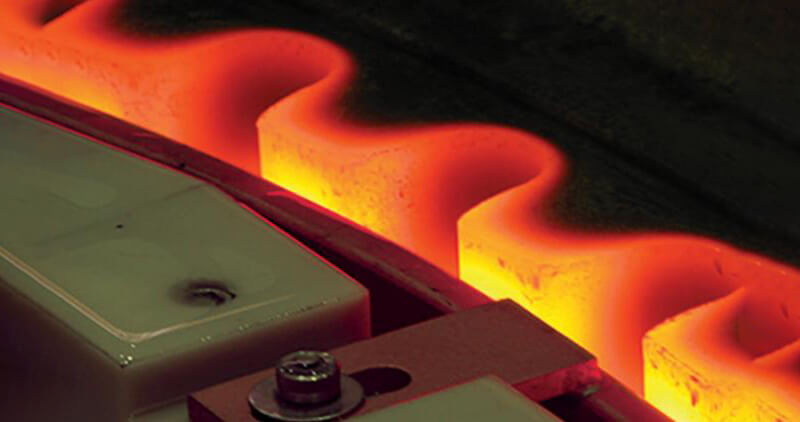
Setting the Cycle on an Induction Line
Three settings decide the result, and each one has a clear failure mode when it is wrong.
Reaching the Target Without Overshoot
Tempering temperatures sit near the top of the useful range for the alloy, so overshoot costs hardness. The supply should ramp to the set point and hold it rather than run open loop to a timer, and closed-loop control on part temperature gives the repeatability a hardness specification demands.
Choosing Frequency and Power
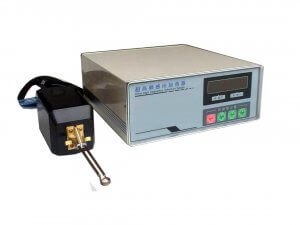
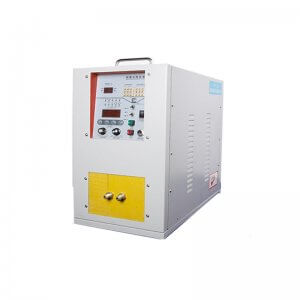
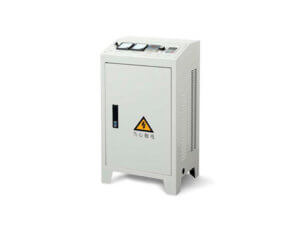
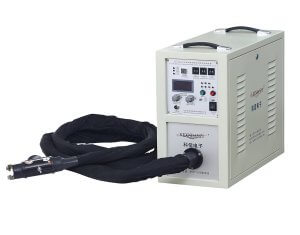
Tempering usually runs at lower frequency than hardening, because heat needs to reach through the section rather than sit in a shallow case. Heavy shafts and thick plates want the lower end, while thin sheet suits higher frequency. Our 50KW electromagnetic heating equipment covers the middle of that range, and we size the rest from part mass and cycle time.
Cooling and Atmosphere After the Hold
Slow cooling is normal, and still air is enough for most carbon and alloy steels. Higher bands oxidize the surface faster, so a protective gas helps where the part cannot be cleaned afterwards. Copper alloys and aluminum behave differently, and the cooling rate has to respect the alloy rather than the schedule.
Checking the Tempering Results
Hardness testing is one of the main ways to check whether a part has been tempered to the required specification. It’s good practice to test the first part of a production run and continue checking samples at regular intervals. For case-hardened components, measuring hardness at different depths can also help determine whether the required properties have been achieved throughout the hardened layer.
Temperature and heating time need to be controlled carefully, particularly with steel grades that are sensitive to temper embrittlement. Certain alloy steels can lose toughness when exposed to specific temperature ranges for too long or cooled slowly through them. The appropriate heating and cooling conditions depend on the material and its heat treatment requirements.
Common Problems in Induction Tempering
Under-tempering can leave a component harder and more brittle than intended, with insufficient stress relief. This may increase the risk of cracking during service. Over-tempering, on the other hand, can reduce hardness and strength beyond the specified limits, potentially leading to excessive wear or deformation.
If hardness varies between parts in the same production batch, check the heating conditions first. Changes in coil-to-part distance, coil alignment, or heating time can affect temperature distribution. Proper fixtures and consistent machine settings help reduce these variations.
Surface oxidation can also be a concern at higher tempering temperatures, especially when parts are heated in air. Depending on the material and surface finish requirements, protective atmospheres or other oxidation-control measures may be needed. This is particularly important for components with thin hardened cases, where additional surface finishing could remove part of the hardened layer.
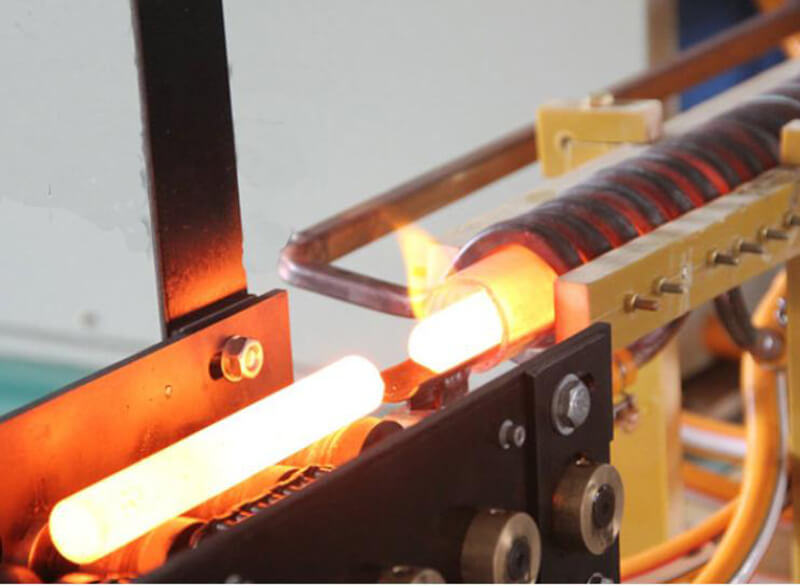
Frequently Asked Questions
Why does tempering come after hardening?
Hardening leaves the part hard and brittle with trapped stress, and tempering relaxes that stress while restoring some toughness. Without it, the part is prone to cracking in service or during later machining.
What temperature should I temper at?
Choose the band that meets the drawing, then tune within it. Bands around 150 °C to 250 °C keep hardness, and bands near 500 °C to 650 °C trade hardness for toughness.
How is induction tempering different from furnace tempering?
Induction heats the part in seconds and can sit inline with the hardening cell, while a furnace heats a whole load for hours. Both reach the same hardness when the cycle is set correctly.
Can all hardened parts be tempered by induction?
Most steel parts can, including carbon, alloy, tool, and stainless grades. Cast irons and copper alloys respond on their own terms, so the cycle is set per material.
How long does an induction tempering cycle take?
Seconds rather than hours, because only the part is heated. The exact time depends on part mass, target temperature, and the power available at the coil.
Conclusion
Consistent induction tempering requires accurate temperature control, proper coil positioning, and suitable heating times. Testing sample parts before production helps confirm the settings and reduce hardness variations.
At KEXIN, we provide induction tempering equipment for standalone and automated production lines, with coil designs tailored to different workpieces. If you need engineering consultation or sample testing, please contact the KEXIN engineering team.
Related Articles
Explore News >
Request A Quote
Can't find the answer you need? Tell us about your application and our engineers will get back to you.