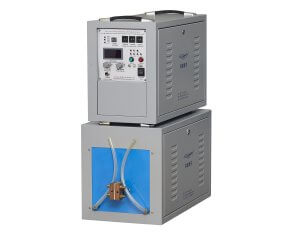
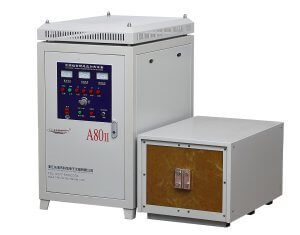
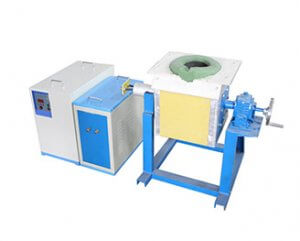
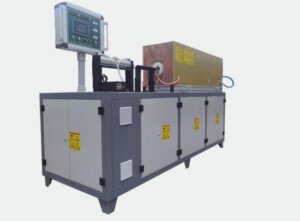
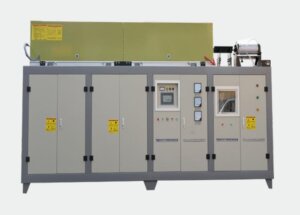
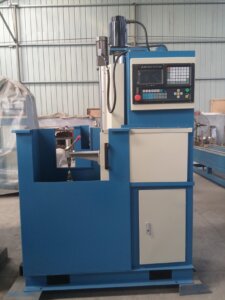
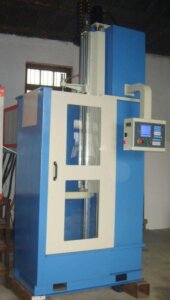
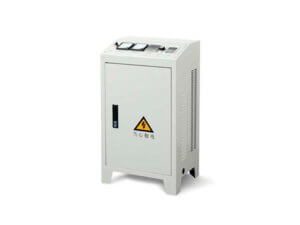
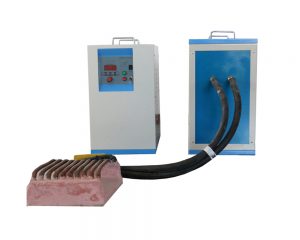
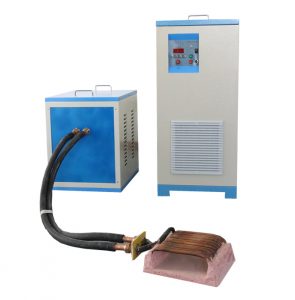
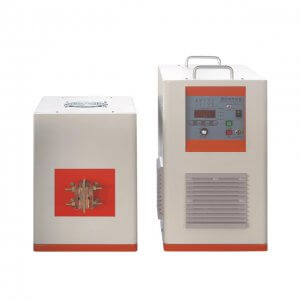

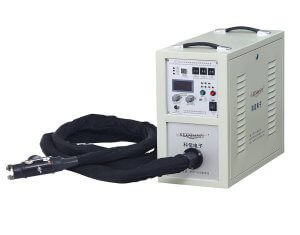
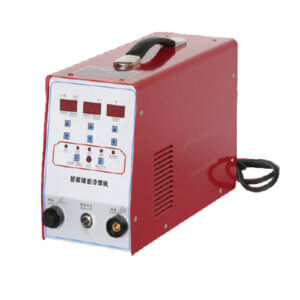
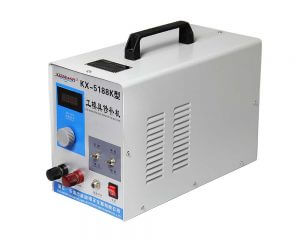

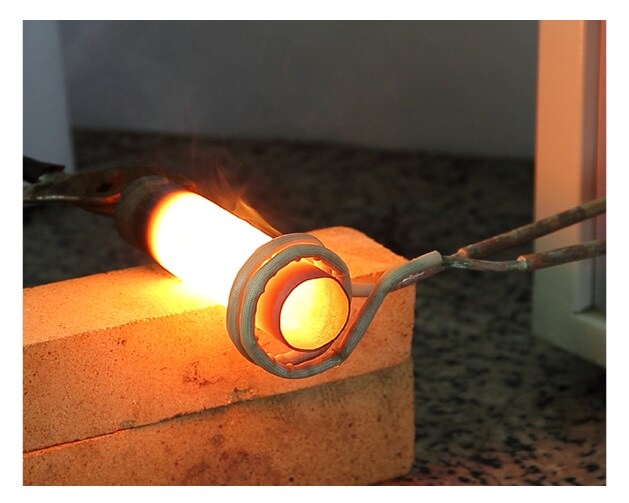
Induction heating is when an electrically conductive object is heated by electromagnetic induction. The process can be used to heat metals, glass, and other conductive materials.
Induction heating has a number of advantages over other methods of heating, including improved efficiency and greater control. This blog post will explore the benefits of induction heating equipment in manufacturing.
What is induction heating?
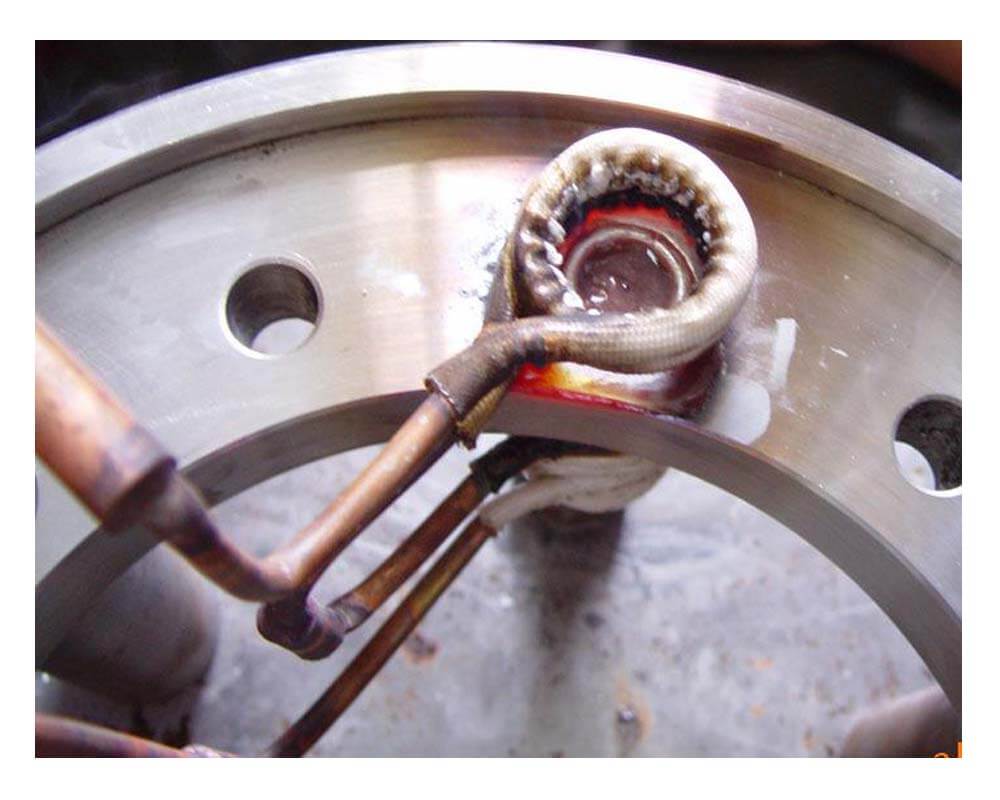
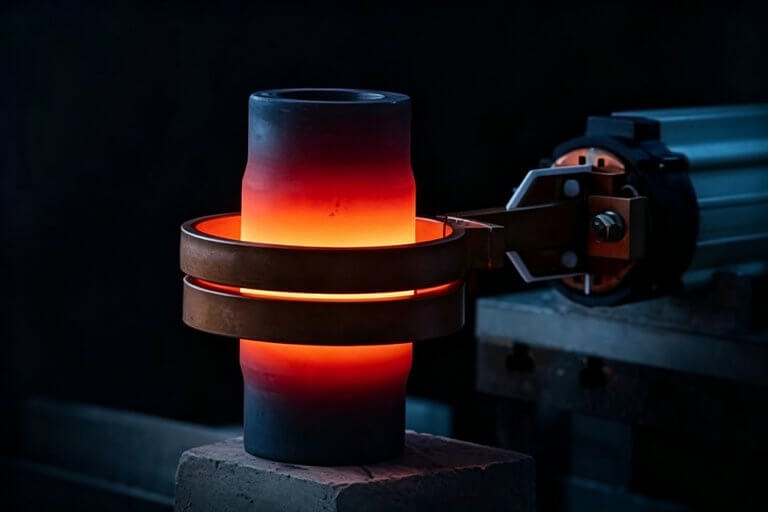
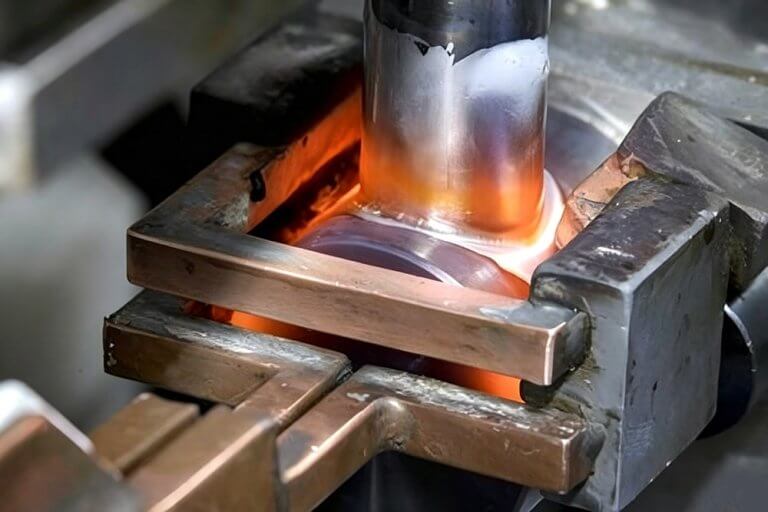
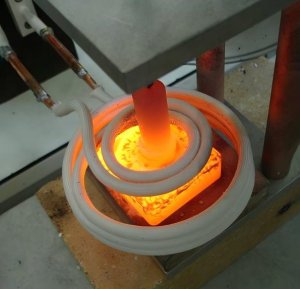
Induction heating is the process of heating a conductive object by electromagnetic induction. In this process, alternating current passes through a coil (induction coil) that is wound around the object to be heated.
When an electric current passes through a coil, it creates a magnetic field. If a piece of metal is placed inside a coil, a magnetic field will cause an electric current to flow through the metal. The resistance of the metal to the current generates heat, which heats the metal by induction.
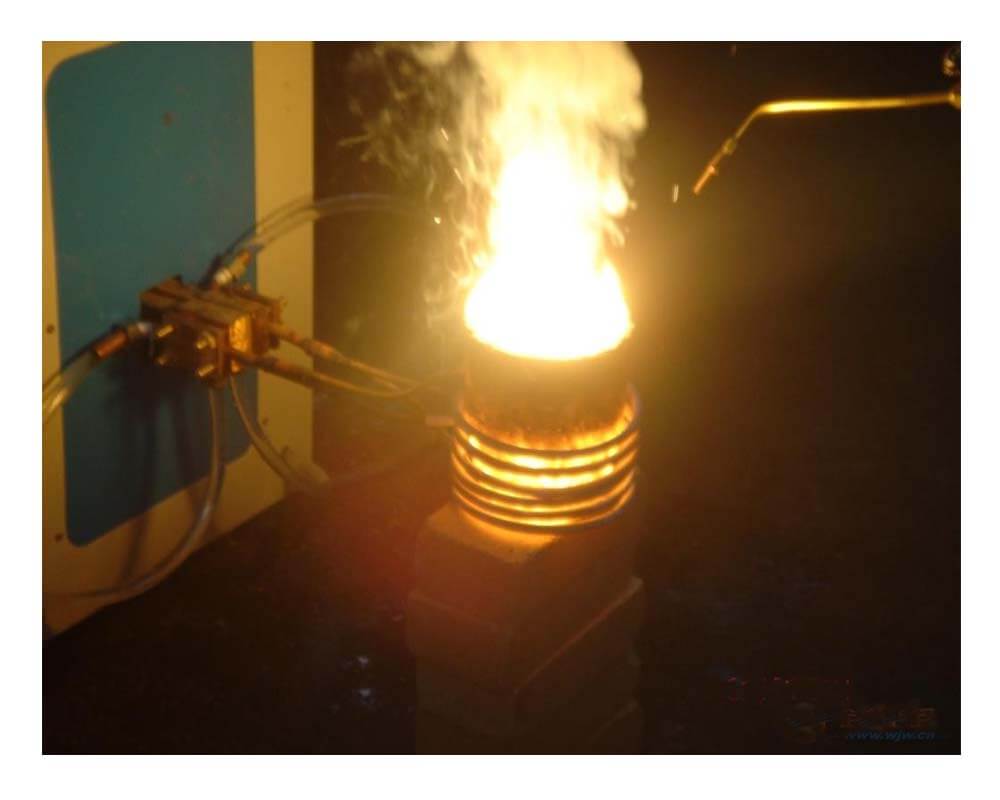
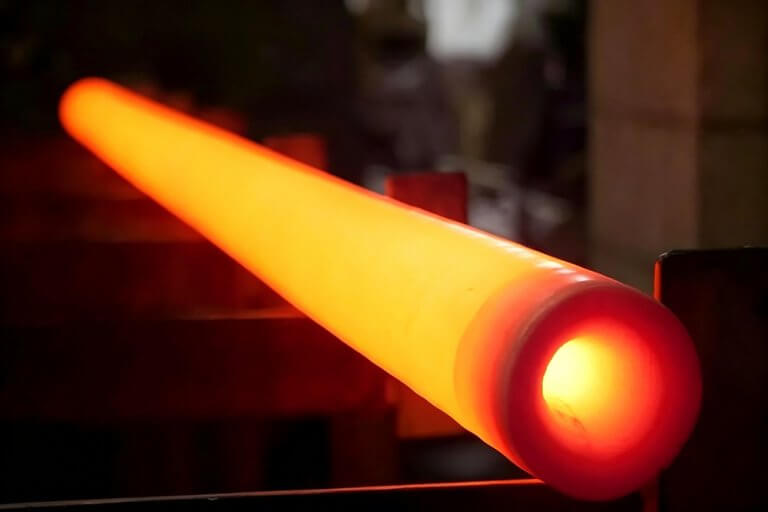
Induction heating is usually used in industrial applications to heat metals for forging, melting, or sintering. Induction heating is also used in home applications such as cooking, drying, and space heating.
How does induction heating work?
Induction heating is a heating method that uses electromagnetic induction to heat objects. The object to be heated is placed in a magnetic field and passed through an alternating current. The current creates a magnetic field that interacts with the object, causing it to heat up.
Induction heating is used in industries ranging from aerospace to automotive. It is also used in a variety of applications, such as heat treatment, welding, brazing, and soft brazing.