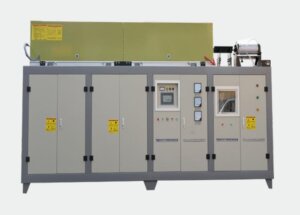
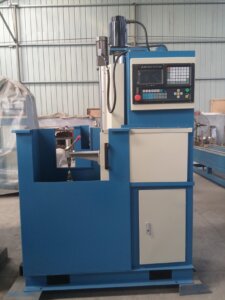
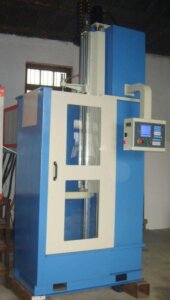
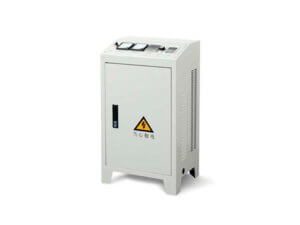
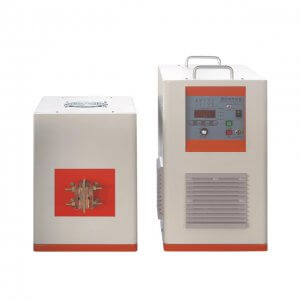

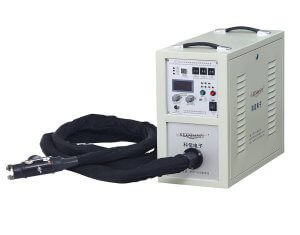
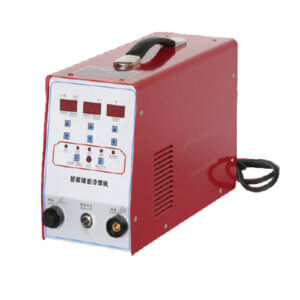
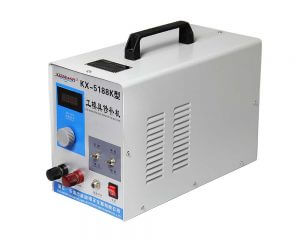


High frequency induction welding has emerged as an efficient metal joining technology, gaining widespread application across various industries in recent years. Compared to traditional welding methods, high frequency induction welding offers numerous advantages, making it the preferred choice for many precision metal joining projects. This article explores the significant benefits of high-frequency induction welding in terms of process characteristics, applications, equipment requirements, and maintenance costs.
Process Characteristics of High-Frequency induction Welding
The key advantages of high frequency induction welding are efficiency and precision. It uses high-frequency current for heating. Metal joints are completed quickly, reducing the heat-affected zone (HAZ). This minimizes issues found in traditional welding methods.
High Frequency Electromagnetic Heating
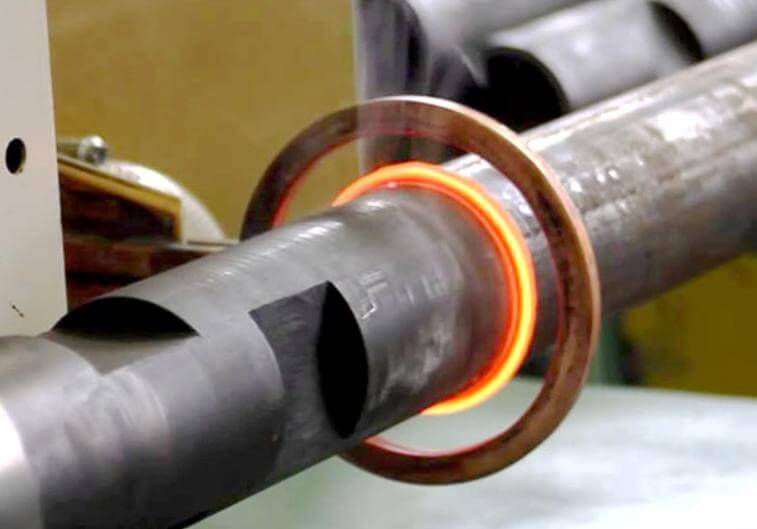
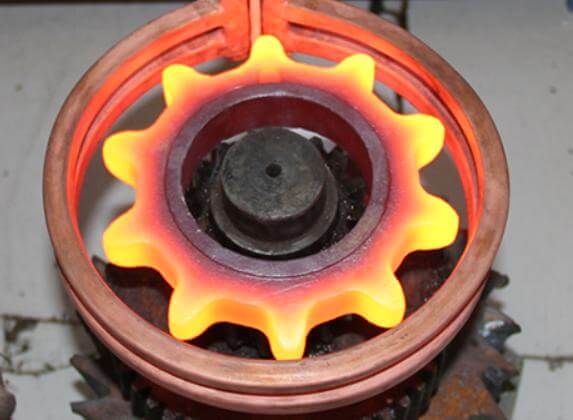
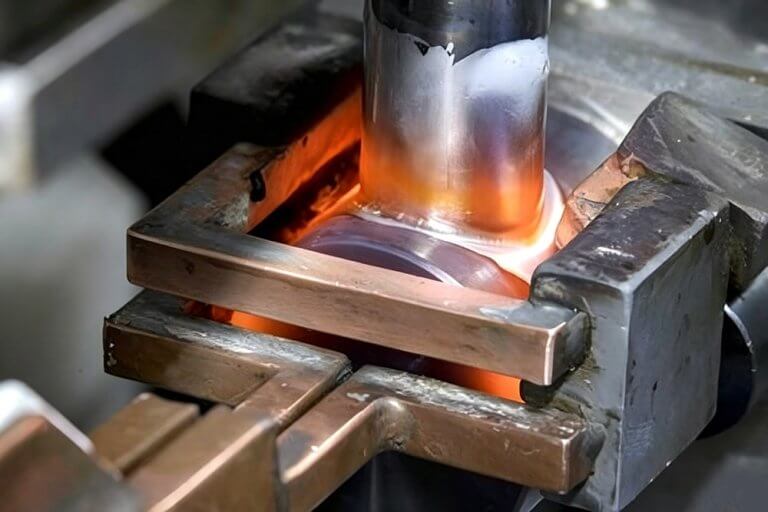
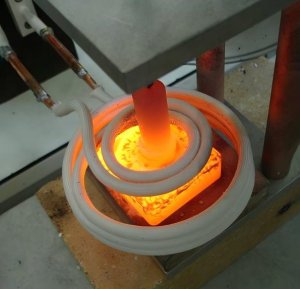
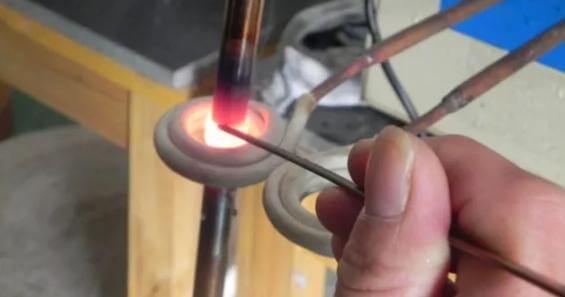
The core principle of high-frequency induction welding is to generate an electromagnetic field using high-frequency current. This rapidly heats the metal surface. The process is highly efficient and allows precise control of the heating area and temperature. It ensures high-quality welds. Unlike conventional methods, high-frequency induction welding heats quickly and reaches the required temperature fast. This ensures welding quality and prevents metal deformation or damage from overheating.
Localized Heating to Minimize the Heat-Affected Zone
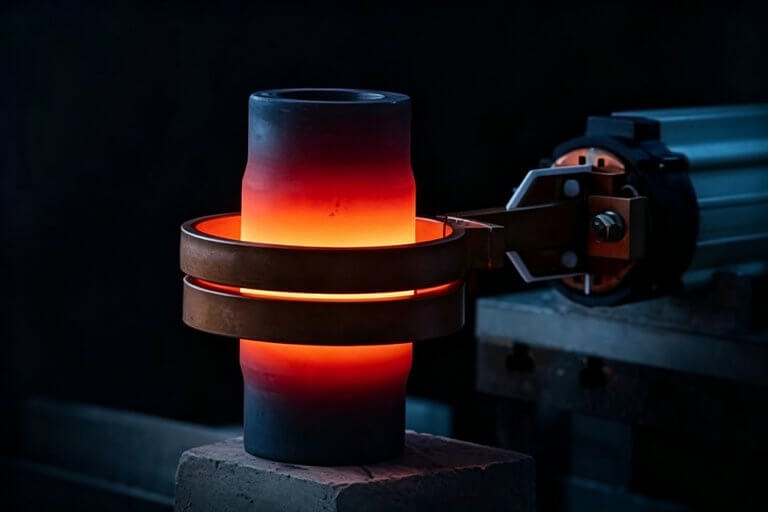
High frequency welding enables localized heating. It concentrates heat in a specific area without affecting other parts of the metal. This minimizes the heat-affected zone and reduces the risk of structural damage. It also prevents the degradation of physical properties caused by overheating. This is vital for precision metal joining, requiring high-strength and low-deformation welds for intricate components.
Adjustable Heating Temperature
By adjusting the high-frequency current’s intensity, the metal’s heating temperature can be precisely controlled. This enhances flexibility in temperature regulation. The process allows adjustments to suit different material properties, ensuring strong and intact weld joints.