
- E-mail: yqkexin@gmail.com
-
Kexin Global


How to Melt Stainless Steel Using Induction Furnace?
In this article, we'll explore the step-by-step process of melting stainless steel using an induction furnace and share some expert advice for optimal results.
August 01, 2025
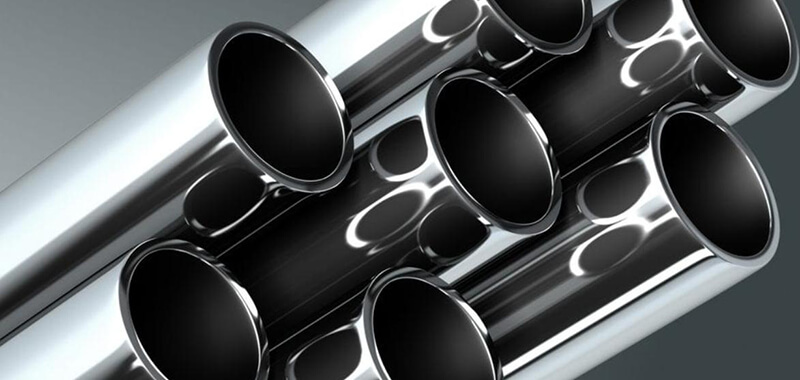
Stainless steel melting is a critical and complex industrial process that requires precise techniques and expert expertise. As a widely used iron alloy, stainless steel is highly valued for its exceptional corrosion and rust resistance due to its chromium and carbon content.
With the right preparation and equipment, especially induction furnaces, stainless steel can be melted efficiently and safely.
In this article, we’ll explore the step-by-step process of melting stainless steel using an induction furnace and share some expert advice for optimal results.
How an Induction Furnace Works?
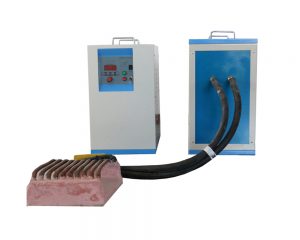
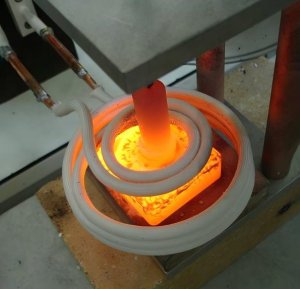
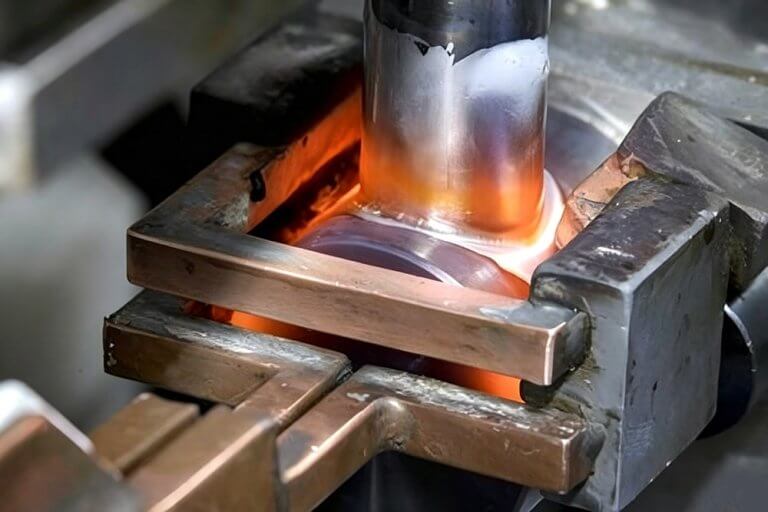
Induction furnaces utilize electromagnetic induction to melt various metals, such as stainless steel. This method involves the passage of electric current through a coil made of copper wire, producing a magnetic field. Once a metal object is positioned within the magnetic field, eddy currents are induced, resulting in the gradual heating and eventual melting of the metal.
Induction furnaces are an excellent option for melting stainless steel because they can reach high temperatures quickly, making the melting process faster and more efficient. They are also energy-efficient, which makes them an environmentally friendly option.
What is the Melting Point of Stainless Steel?
Stainless steel is an alloy whose composition can vary based on the specific elements it contains—most commonly iron, chromium, nickel, and other trace elements. Because of these variations, stainless steel doesn’t have a fixed melting point. Instead, its melting range typically falls between 1350°C and 1400°C.
Popular stainless steel grades include 301, 304, 309, 316, and 317, each tailored for specific industrial applications.
Choosing the Right Induction Furnace
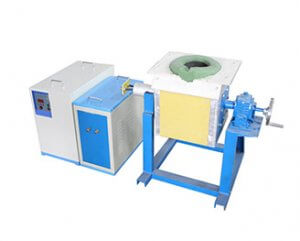
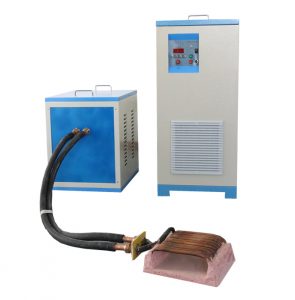
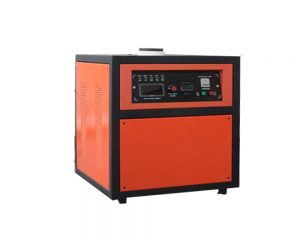
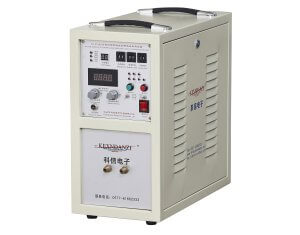
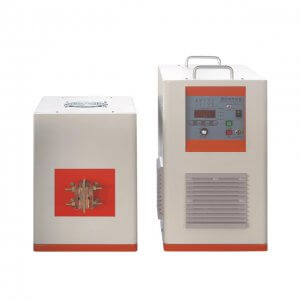
It’s very crucial to choose the right induction furnace for melting stainless steel effectively. The following are some main factors to consider when choosing an induction furnace:
Furnace Size: The size of the furnace should be appropriate for the size of the stainless steel that you want to melt. A furnace that is too small may not be able to accommodate the steel, while a furnace that is too large may waste energy.
Furnace Capacity: The capacity of the furnace determines how much steel it can melt in a single cycle. Choose a furnace with a capacity that meets your production needs.
Energy Efficiency: Choose a furnace that is energy-efficient to save on operating costs.
Power Output: The power output of the furnace determines how quickly it can melt the steel. A higher power output means faster melting times.
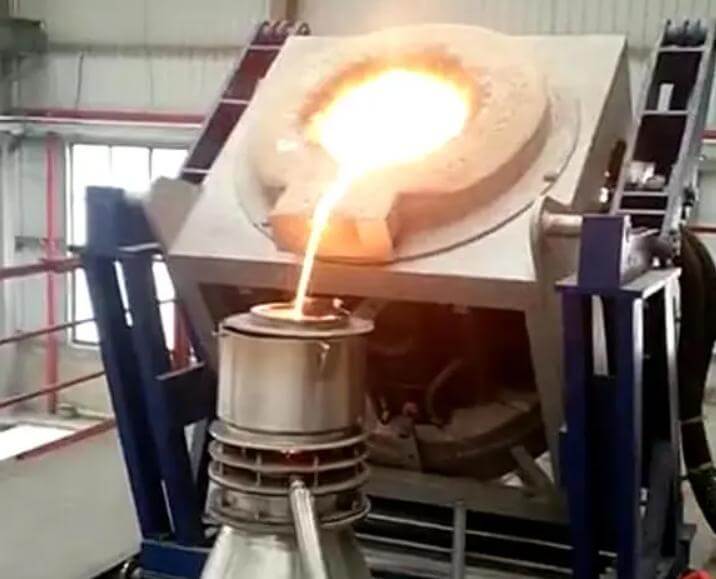
Features of Induction Melting Furnace
Easy Operation: The operation of the steel induction furnace is relatively simple. You only need to adjust the frequency and power of the power supply to control the heating temperature and speed.
Uniform Heating: Induction heating is heated by eddy currents generated by electromagnetic induction, so the steel material is heated evenly without local overheating or undercooling.
Fast Heating Speed: Since induction heating directly heats the inside of the steel material through electromagnetic induction, the heating speed is very fast, which can greatly improve production efficiency.
Energy Saving and Environmental Protection: Induction heating is an efficient and energy-saving heating method. Compared with traditional flame heating, it can greatly reduce energy consumption and emissions.
Wide Scope of Application: Steel induction furnaces can be used for heating and smelting various steel materials, including carbon steel, alloy steel, stainless steel, etc.
Steps for Melting Stainless Steel
Before you start to melt the stainless steel, you need to prepare the induction furnace properly. Following are some steps to follow:
Clean the furnace
To ensure the melting furnace is free of debris. This prevents impurities from contaminating the molten steel.
Connect the power supply
To ensure the power supply is connected and turned on.
Temperature setting
Set the furnace to the appropriate temperature for melting stainless steel.
Melting the stainless steel
Place the stainless steel in the furnace using tongs or a crane. Turn on the power to the furnace, and the electromagnetic induction will heat the steel until it reaches its melting point.
Stirring evenly
As the steel melts, you may need to stir it to ensure that it melts evenly.
Temperature measurement
Use a temperature gauge to monitor the temperature of the molten steel.
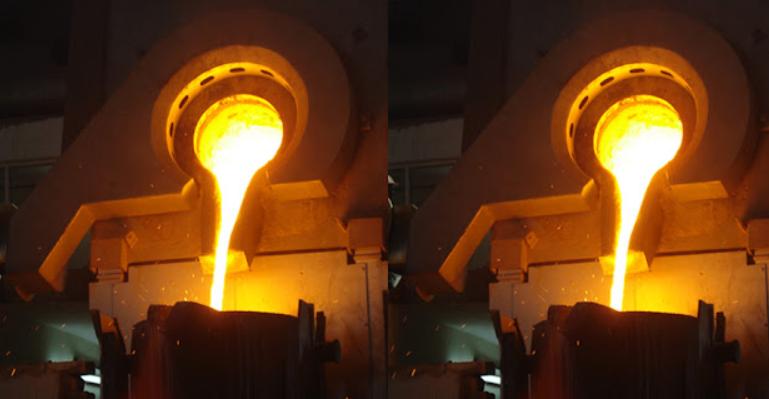
Pouring the molten steel
Once the stainless steel has melted completely, it’s time to pour it into a mold.
Further processed
Allow the steel to cool down and solidify completely before removing it from the mold.
Once cooled, the stainless steel can be further processed or used as is, depending on the intended application.
Safety Precautions When Melting Stainless Steel
It’s a hazardous process for melting stainless steel, and it’s also essential to take the necessary safety precautions to prevent accidents and injuries.
Here are some safety tips to follow when melting stainless steel:
- Before starting, check whether the equipment is normal and deal with it in time if there are any abnormalities.
- Ensure that the melting area is well ventilated to prevent the buildup of harmful fumes and gases. Keep a fire extinguisher close by in case of an emergency.
- During operation, parameters such as heating time and temperature should be controlled according to process requirements.
- During the heating process, attention should be paid to observing the changes in the metal, and any abnormalities should be dealt with in time.
- Be mindful of the weight and stability of the ladle or crucible when handling molten steel.
- After the operation is completed, the power should be turned off, and the equipment should be cleaned and maintained.
Conclusion
Steel induction furnace is an efficient, energy-saving, and environmentally friendly heating equipment, which is widely used in metal processing and smelting fields.
With the right equipment and safety precautions, it’s possible to melt stainless steel quickly and with minimal waste.
Whether you’re melting stainless steel for industrial or artisan purposes, the process requires attention to detail and a commitment to safety.
By following the steps outlined in this article, you can ensure that your stainless steel melting process is successful and safe.
Remember to always follow the manufacturer’s instructions and safety guidelines when operating the furnace to ensure your safety and the quality of the melt.
Related Articles
Explore News >
Request A Quote
Can't find the answer you need? Tell us about your application and our engineers will get back to you.