The Principle of Induction Heating
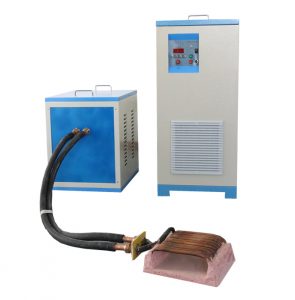
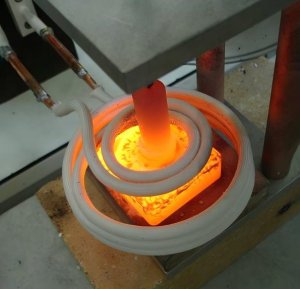
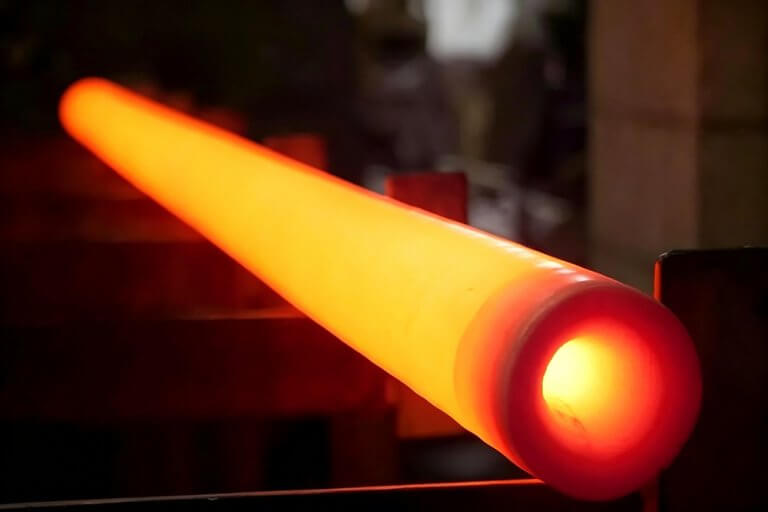
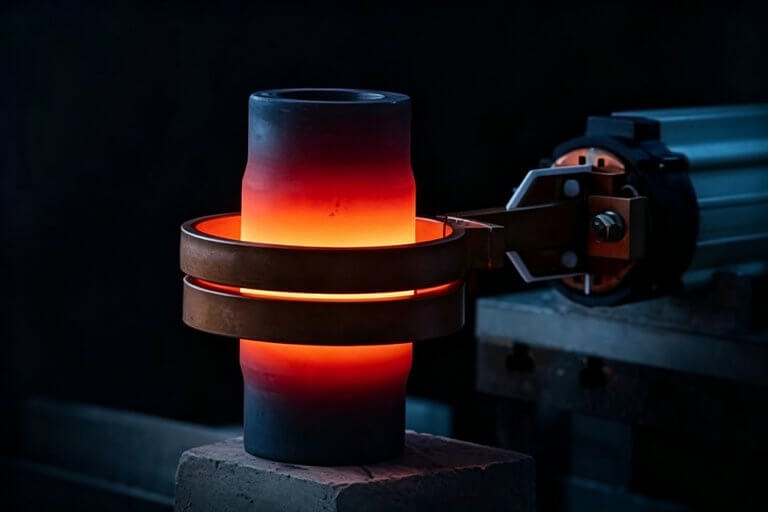
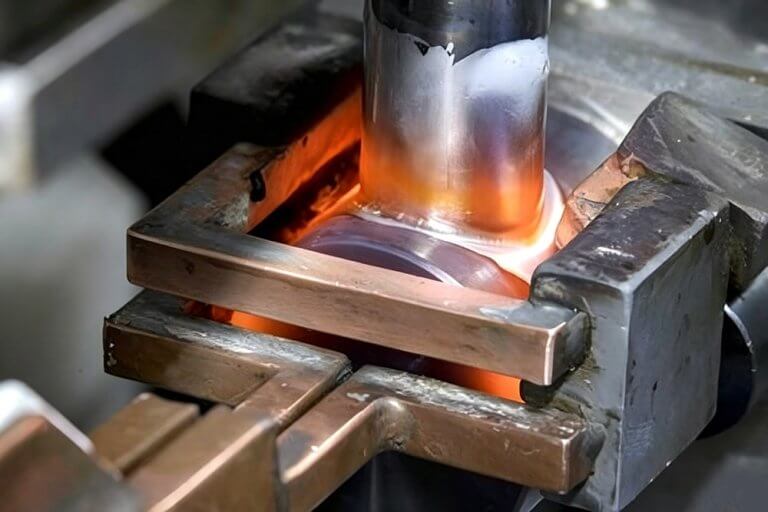
Induction heating is a method of heating metal objects using electromagnetic induction. The process involves passing an alternating current through a coil, which creates a magnetic field around the object being heated. The magnetic field induces eddy currents within the metal, causing it to heat up due to resistance.
The principle of induction heating relies on the interaction between the magnetic field and the conductive material, rather than direct contact with the heating element. This allows metal objects to be heated quickly and efficiently without the need for physical contact or an open flame.
Key Features to Look for in An Induction Heating System
Induction heating systems are an advanced technology used in a variety of industrial processes such as metal hardening, welding and brazing. When selecting an induction heating system, several key features must be considered to ensure optimal performance, efficiency and reliability. Here are the main features to look for in an induction heating system:
Understanding Application Requirements
Before delving into the selection process, it is critical to clearly define the heating objectives for your application. Whether it is case hardening, brazing, annealing, or any other specific process, a clear understanding of the heating requirements ensures that the equipment selected is consistent with the desired results.
Different materials react differently to induction heating. It is critical to understand the properties of the workpiece material, such as its magnetic and electrical conductivity. This knowledge guides the selection of the appropriate frequency and power level to ensure efficient heating.
Here are some key factors to consider when evaluating your application requirements:
1. Power requirements: Determine the amount of power required for your application, as well as the frequency and voltage requirements. Different applications may require different power levels to achieve the desired results.
2. Heating capacity: Consider the size of the workpiece or material that needs to be heated and the required heating rate. The induction heating system should be able to provide the necessary heating capacity to achieve the desired results.
3. Heating time: Determine the heating time required for the application, as well as any specific temperature profiles that need to be achieved. The induction heating system should be able to heat the workpiece efficiently and quickly to meet the application requirements.
4. Temperature control: Consider whether the application requires precise temperature control. Some induction heating systems offer temperature monitoring and control capabilities to ensure accurate heating.
5. Process Automation: Determine if the application requires automated processes or controls. Some induction heating systems offer programmable features that allow for automated processes and controls.
6. Safety Considerations: Consider any safety requirements or considerations for the application, such as whether temperature monitoring, emergency stop functions, or safety interlocks are required.