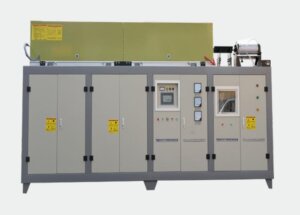
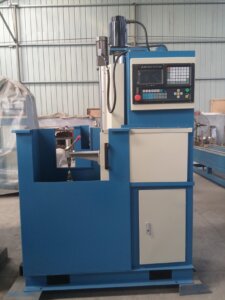
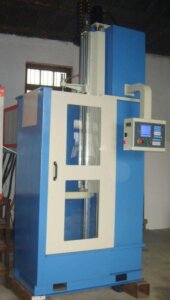
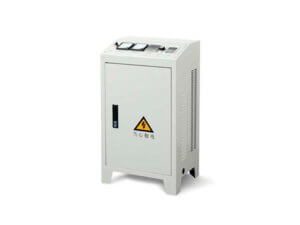
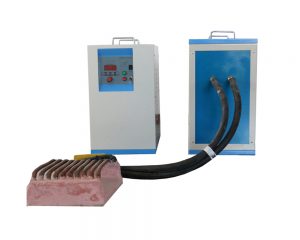
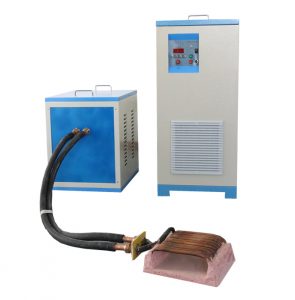
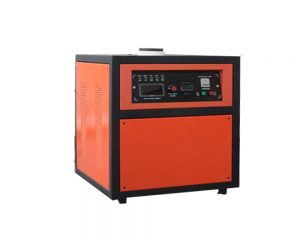
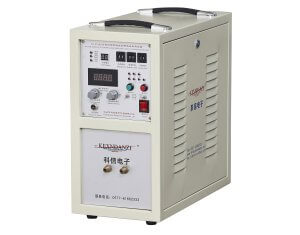
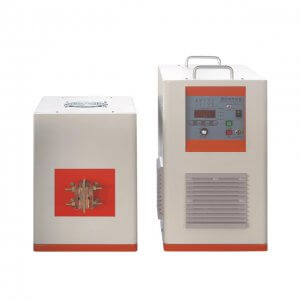
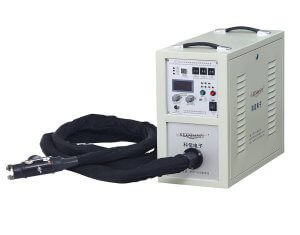
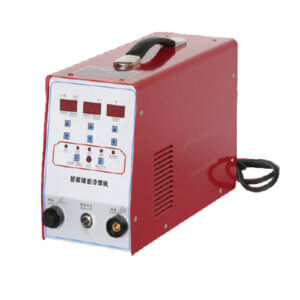
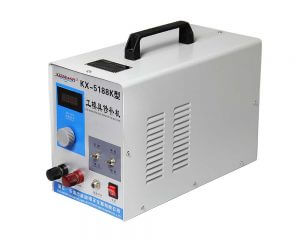
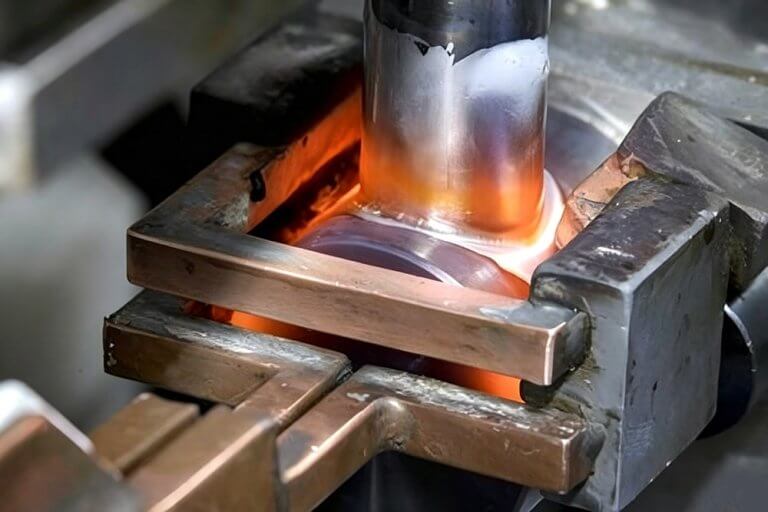
Applications of Industrial Induction Heating
Forge heating
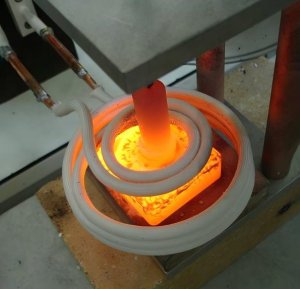
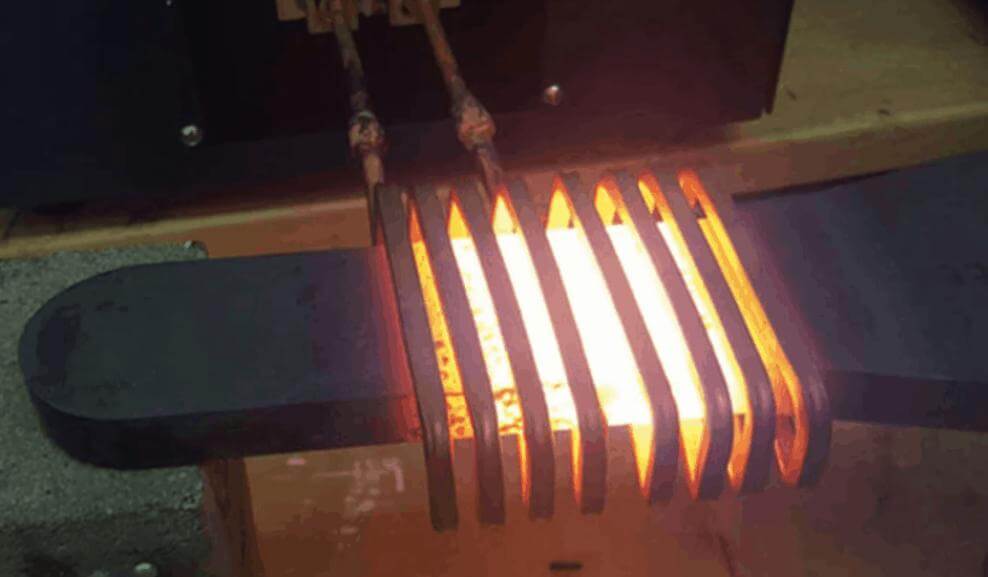
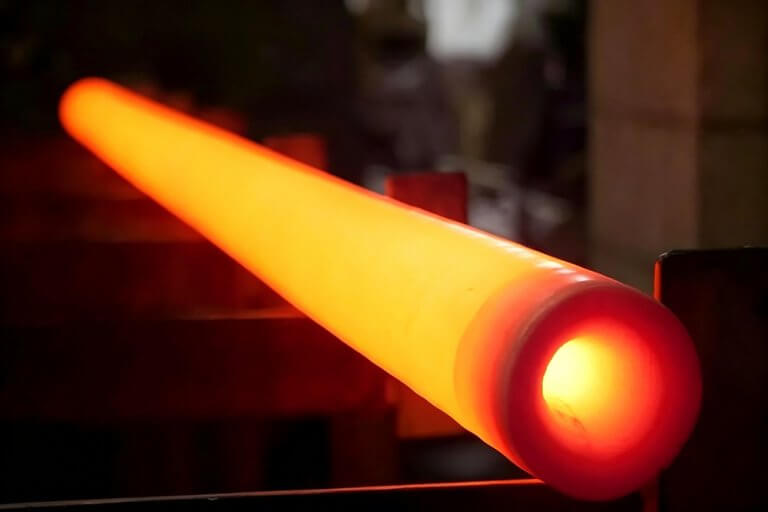
Industrial induction heating can be used in the forging industry to heat metal billets or bars to a desired temperature for forging processes. This helps to reduce heating times and improve the overall efficiency of the forging operation.
Heat treatment
Induction heating is commonly used in heat treatment processes such as hardening, tempering, and annealing. It allows for precise control of heating temperatures and heating rates, resulting in consistent and repeatable heat treatment results.
Brazing and soldering
Induction heating is also widely used in brazing and soldering applications, where it provides fast and efficient heating of the joint area without affecting the surrounding materials. This results in stronger and more reliable joints.
Shrink fitting
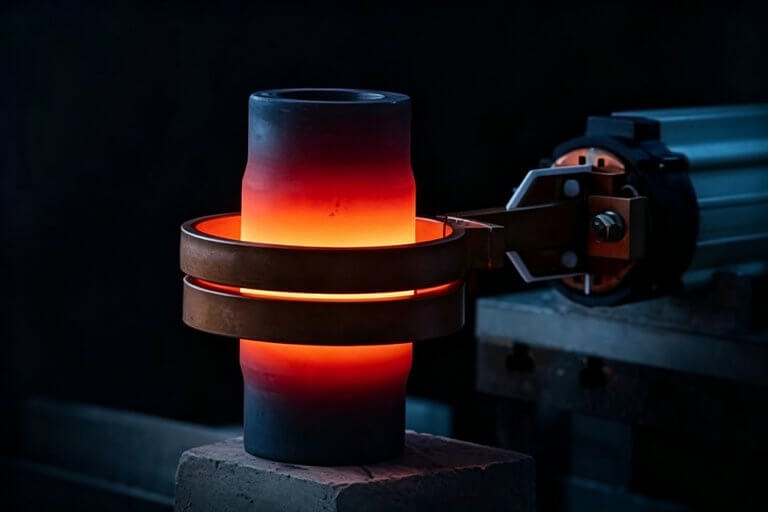
Induction heating can be used for shrink fitting applications, where a component is heated to expand it and then quickly cooled to allow it to shrink and fit onto another component. This method is commonly used in industries such as automotive and aerospace for assembling parts with tight tolerances.
Metal forming
Induction heating is often used in metal forming processes such as bending, shaping, and extrusion. It allows for localized heating of the metal to soften it and make it more malleable, facilitating the forming process.
Surface hardening
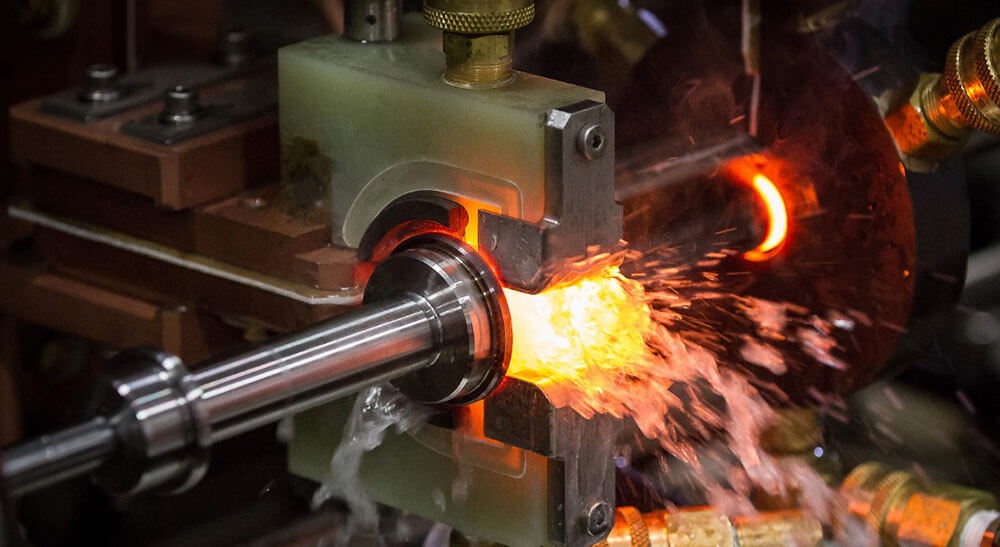
Industrial induction heating can be used for surface hardening applications, where only the surface layer of a component is heated and then rapidly cooled to create a hardened surface. This improves the wear resistance and durability of the component.
Tube and pipe welding
Induction heating is commonly used in the welding of tubes and pipes, where it provides fast and efficient heating of the joint area without affecting the overall structure of the tube or pipe. This results in high-quality welds with minimal distortion.
Metal casting
Induction heating can be used in metal casting processes such as shell molding and investment casting to preheat the molds or patterns, ensuring proper filling and reducing the risk of defects in the castings.
Conclusion
Induction heating represents a secure, non-contact method for the meticulous heating of conductive materials. This precise technique proves highly advantageous in the case hardening of both ferrous and non-ferrous metals. Notably, this process can be executed without any direct contact with the power source.
Selecting the appropriate induction heater is contingent upon your specific application and requirements. An excessively powerful system can lead to increased costs, whereas an insufficiently powered system may impede production efficiency by prolonging the heating process.
Industrial induction heating offers precise and efficient thermal solutions, making it a crucial component of contemporary manufacturing processes. For inquiries regarding the optimal product for your application or customization options tailored to meet your specific requirements, please contact us.