


Whether you are acknowledge with induction heating or it’s the first time that you get in touch with this technology, this following article is going to offer some frequently asked questions about induction heating so that help you have a general idea about it.
What is induction heating?
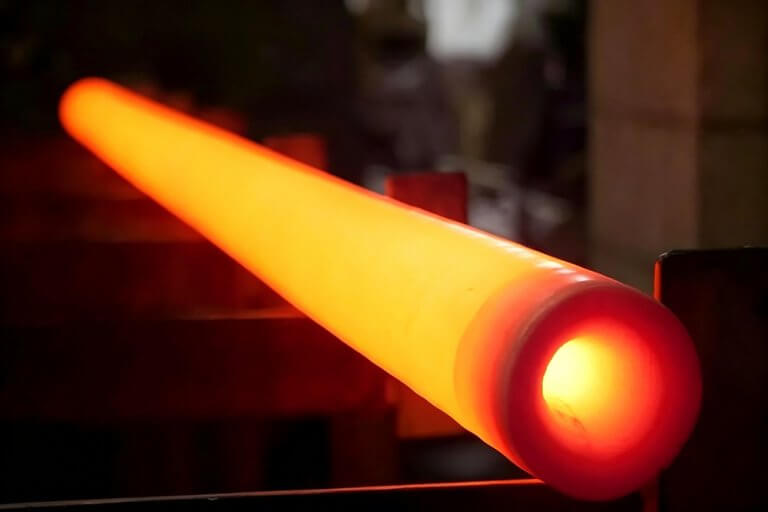
The heating method known as induction heating occurs when an electrically conductive material is placed in a varying magnetic field. Induction heating is a rapid form of heating in which a current is induced directly into the part being heated. In this way, induction heating is a non-contact form of heating.
Is it possible to braze glass or ceramics with induction?
Yes, of course. If you want to work with glass or ceramics, then a compact vacuum furnace is a great solution for brazing. You’ll get quick, clean heat with very precise temperature control.
What makes up a typical induction heating system?
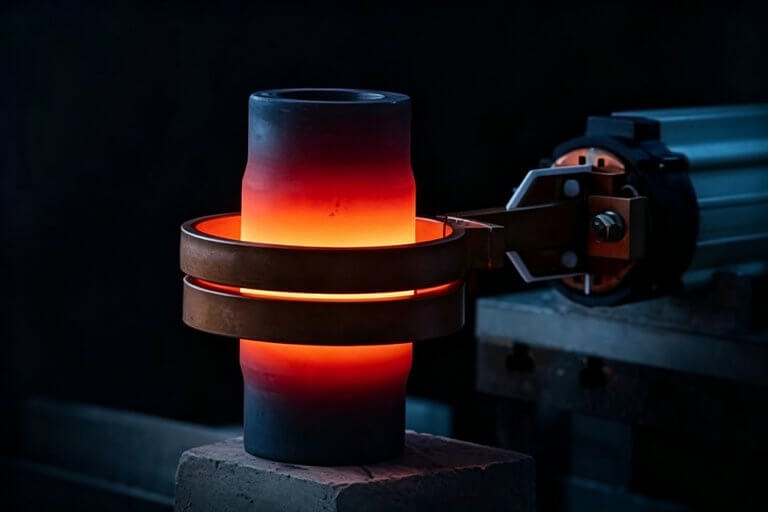
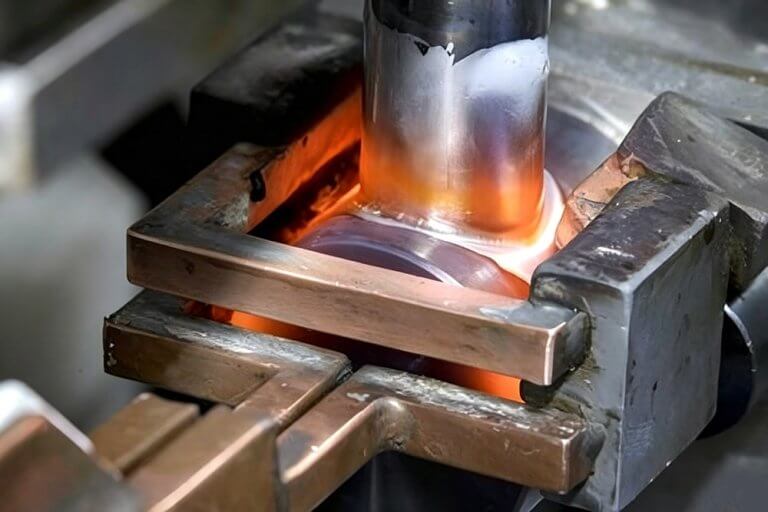
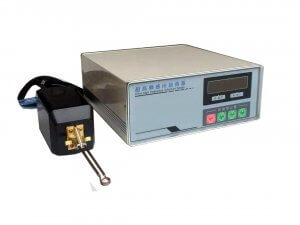
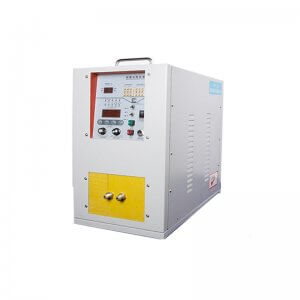
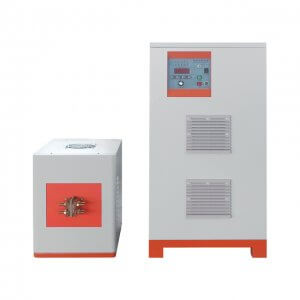
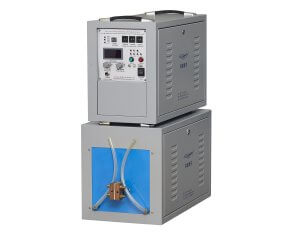
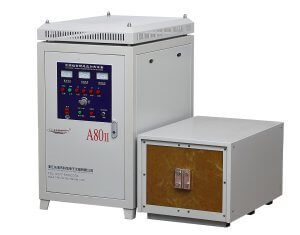
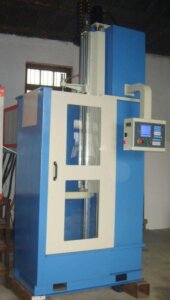
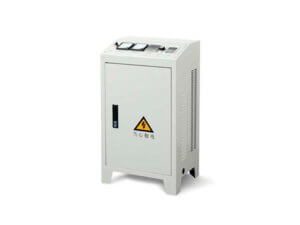
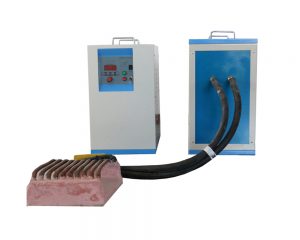
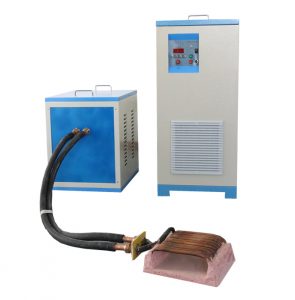
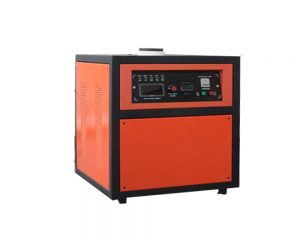
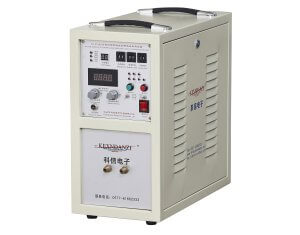
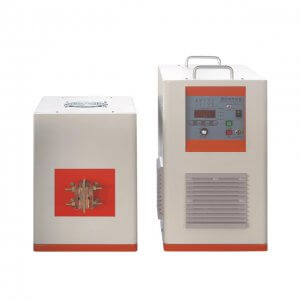
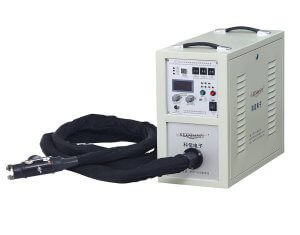
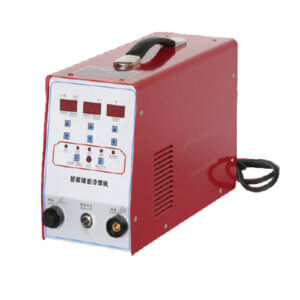
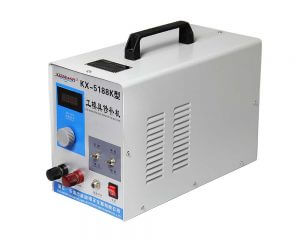
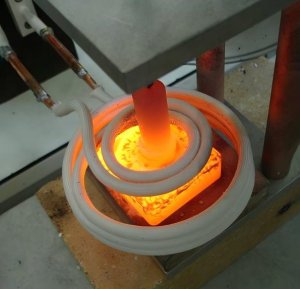
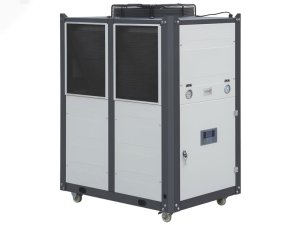
A typical induction heating system consists of the induction heating power supply, an induction heating coil, and a water-cooling source, which cools the coil and several internal components inside the power supply. The induction heating power supply sends alternating current through the induction coil, thus generating a magnetic field. When a work piece is placed within the coil and enters the magnetic field, eddy currents are induced within the work piece, generating precise and localized heat without any physical contact between the induction coil and the work piece.
What is an induction heating coil (inductor)?
The varying magnetic field required for induction heating is developed in the induction heating coil via the flow of AC (alternating current) in the coil. The coil can be made in many shapes and sizes to custom fit a specific application. The coils can range from tiny coils made of copper tubing used for precise heating of extremely small parts in applications such as soldering and ferrule heating to large coil assemblies of copper tubing used in applications such as strip metal heating and pipe heating.