
 Whatsapp
Do Induction Heaters Use A Lot of Electricity?
Induction heaters are often considered high-power devices, so one might wonder if they consume a lot of electricity. While they do use electricity as an energy source, they are typically much more efficient than traditional heating methods. This means that even if their rated power seems high, their energy consumption in real-world applications may be lower.
Understanding Induction Heaters
Induction heating works on the principle of electromagnetic induction. When alternating current passes through a coil, it generates a magnetic field. If a conductive material, such as a metal, is placed in this magnetic field, an electric current will be generated within the material, directly producing heat.
This process differs from traditional heating methods, which rely on external heat sources such as flames or heating elements to transfer heat. Induction heating generates heat directly within the object, thus achieving faster and more precise temperature control.
Another key characteristic is that the system does not require direct contact between the heat source and the material. This reduces heat loss and enables precise temperature control. Therefore, induction heaters are widely used in industries such as metal processing, automotive manufacturing, and electronics.
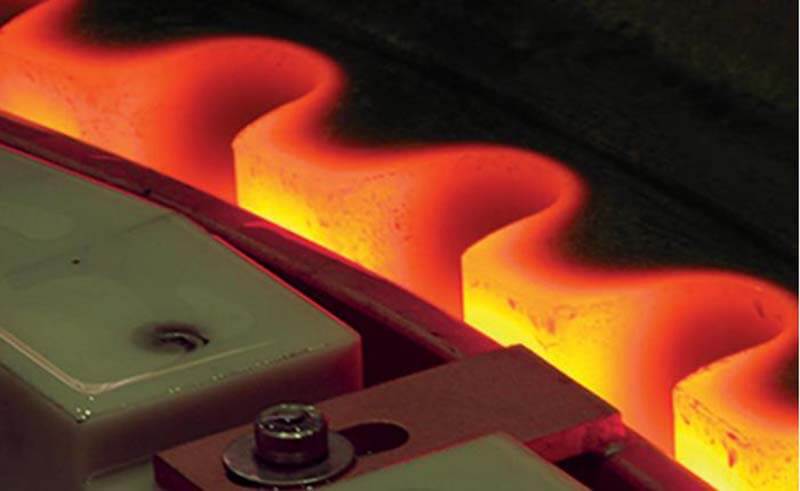
Electricity Consumption
Comparison of Induction Heaters with Other Heating Methods
When comparing the induction heater with the traditional heating method, the differences in efficiency and energy consumption are obvious. The advantage of induction heating lies in the ability to generate heat directly within the material. This method minimizes energy waste and reaches the required temperature more quickly with lower energy consumption.
The traditional methods such as batch heating in ovens require a significant amount of time and energy. They only serve the production process and offer no benefits to the products themselves. In contrast, induction heating can complete heating and stopping instantly, thereby significantly reducing the waste rate of the process and improving production efficiency. This high efficiency makes induction heaters more environmentally friendly than coal, natural gas or resistance heating methods.
The typical power consumption of an induction heater
Understanding the typical power consumption of induction heaters can help you better appreciate their efficiency. These heaters utilize electrical energy to generate an electromagnetic field, directly heating the materials being heated. This method can shorten the preheating time and reduce energy consumption.
The efficiency of induction heating varies depending on the material. For instance, the heating efficiency of iron exceeds 90%, while the heating of copper is more challenging and typically has an efficiency of only 15%. Despite these differences, induction heaters are always a more sustainable option as they consume less electricity than other heating methods. This efficiency means lower electricity costs and less environmental impact, making induction heaters a wise choice for both industrial and personal applications.
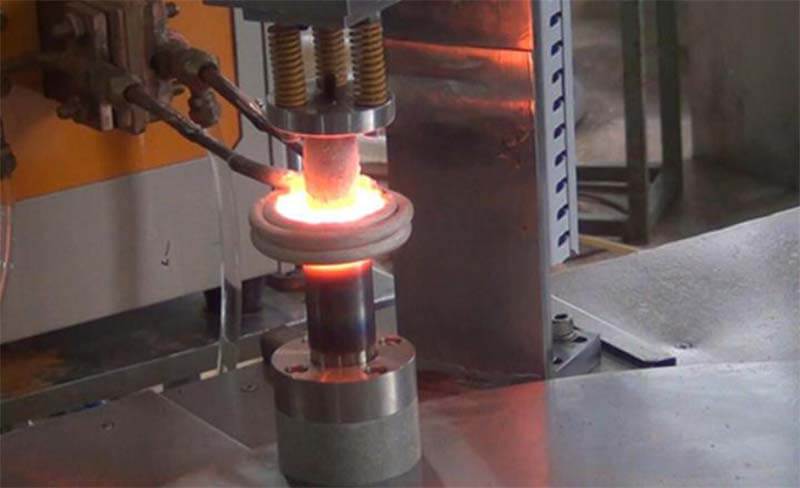
Efficiency and Cost-Effectiveness
One of the main advantages of induction heaters is their high efficiency. Because energy acts directly on the material, heat loss is minimal. This allows the system to heat up rapidly and shut down immediately after the process is complete.
Compared to conventional heating methods, induction heating can reduce energy consumption by up to 50%. Furthermore, depending on the process and setup, some applications can even save up to 60% of energy.
From a cost perspective, this efficiency translates to lower long-term electricity bills. Faster heating cycles also improve production efficiency, further reducing operating costs in industrial environments.
Another advantage is the reduced need for preheating. Conventional systems typically require preheating, consuming energy before actual operation begins. Induction heaters eliminate this step by generating heat instantly, saving both time and electricity.
Factors Influencing Electricity Usage
Although induction heaters are efficient, their actual electricity consumption can vary depending on several factors:
1. Power rating of the equipment
Higher power units can heat materials faster, but they also draw more electricity during operation. The key is balancing power with efficiency.
2. Heating time
Shorter heating cycles reduce total energy use. Since induction systems heat quickly, they often complete tasks faster than traditional methods.
3. Material properties
Different materials respond differently to induction heating. Ferrous metals tend to heat more efficiently, while non-ferrous metals may require more energy.
4. Target temperature and mass
Heating larger objects or reaching higher temperatures requires more energy. This is true for all heating methods, not just induction systems.
5. System design and setup
Factors such as coil design, frequency settings, and insulation can influence how efficiently energy is used. Optimized systems reduce losses and improve performance.
6. Usage habits
Frequent or prolonged use will naturally increase electricity consumption. However, efficient operation and proper settings can help minimize unnecessary energy use.
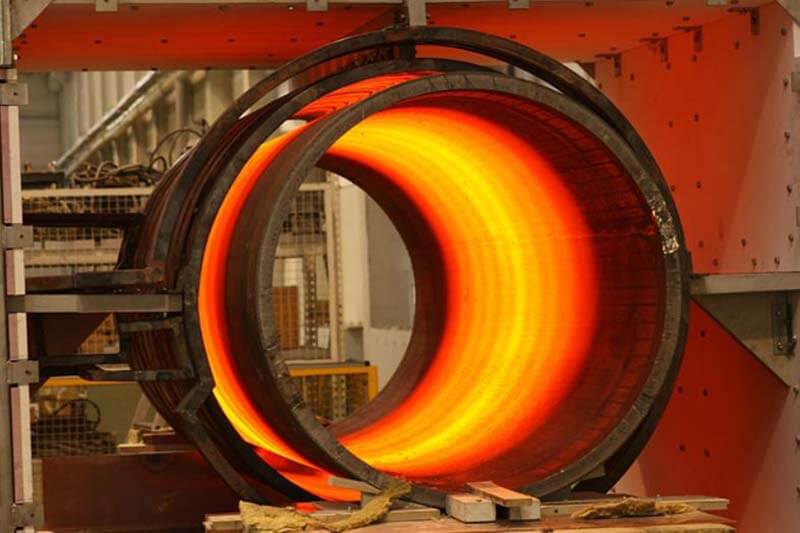
Conclusion
Induction heaters may seem energy-intensive, but their true advantage lies in their ability to efficiently convert electrical energy into usable heat. By generating heat directly within the material, induction heaters reduce energy loss and complete heating tasks much faster than many traditional heating methods.
This direct and controllable heating method means that even at high power outputs, long-term total energy consumption is typically lower, making induction heating a practical choice for various applications. For businesses and users looking to improve efficiency while controlling energy consumption, induction heaters offer a reliable solution.
FAQs
1. Do induction heaters use more electricity than traditional heaters?
Not necessarily. While they may have high power ratings, they often use less total energy because they heat materials directly and reduce waste.
2. Are induction heaters energy efficient?
Yes. Many systems achieve very high efficiency levels, especially when heating suitable materials, making them one of the more energy-conscious heating options.
3. Can induction heating reduce electricity bills?
In many cases, yes. Lower energy consumption, faster heating, and reduced process time can all contribute to lower overall costs.
4. What affects how much electricity an induction heater uses?
Key factors include the power level, heating duration, material type, and system setup.
5. Is induction heating environmentally friendly?
Since it relies on electricity and minimizes energy waste, it can reduce emissions compared to fossil fuel-based heating methods.
KEXIN’s induction melting furnace has higher thermal efficiency and lower energy consumption. They can produce a mild metal bath mixture, mixing a uniform alloy at a constant and uniform temperature. For these reasons, this type of furnace is the first choice for induction melting. Kexin products can flexibly meet all customer requirements.
Can we help you?