
 Whatsapp
Best Induction Heater Buying Guide for 2025
When selecting an induction heater, whether for industrial or personal use, it is crucial to focus on several key characteristics. An improperly sized device or a poorly designed coil can lead to uneven heating and may even damage the workpiece.
Common mistakes include placing the coil too far from the workpiece or selecting the wrong operating frequency. These problems result in low heating efficiency and wasted energy. By paying attention to the correct specifications and safety details, you can easily avoid these issues.
In the following blog post, experts from Kexin will guide you on how to select the most suitable induction heating system to ensure fast, safe, and efficient heating results every time.
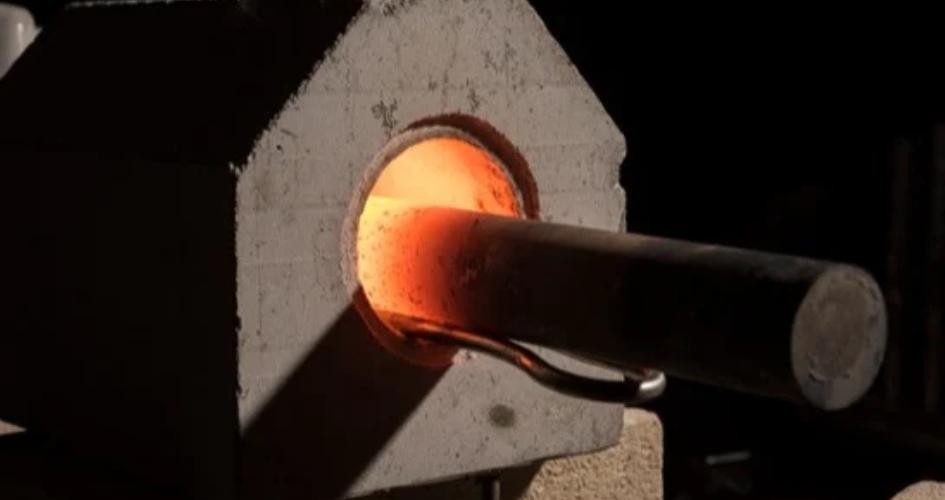
What is an Induction Heater?
Induction heaters are highly efficient heating devices that utilize the principle of electromagnetic induction to heat metal without direct contact. The system generates a high-frequency magnetic field through a coil, creating eddy currents inside the workpiece, causing it to heat up rapidly from the inside.
This clean, precise, and energy-efficient technology has become the preferred solution for applications such as metal quenching, brazing, heat treatment, and manufacturing. With its fast response time and excellent control performance, induction heaters reduce energy consumption and improve overall production efficiency while providing stable heating results.
Key Features to Consider When Choosing an Induction Metal Heater
Workpiece Material
Induction heating directly heats conductive materials, such as metals. Non-conductive materials sometimes require the use of conductive inductors for heating.
Due to the hysteresis effect, magnetic materials are heated more easily than non-magnetic materials. Therefore, non-magnetic materials generally require more power. High-resistivity metals heat rapidly, while low-resistivity metals require longer heating times.
Operating Frequency
Low-frequency, high-power systems are generally suitable for large workpieces requiring thorough heating. Low-power, high-frequency systems are generally ideal for surface heating. Generally, the higher the frequency, the shallower the heating depth of the workpiece.
Required Heating Temperature
Induction heaters can produce significant temperature changes, but generally, greater power is required to accommodate these significant temperature changes, which will influence the choice of power supply. The rate of temperature change also affects the choice of power supply. The faster the rate of temperature change, the greater the power required.
Coil Design
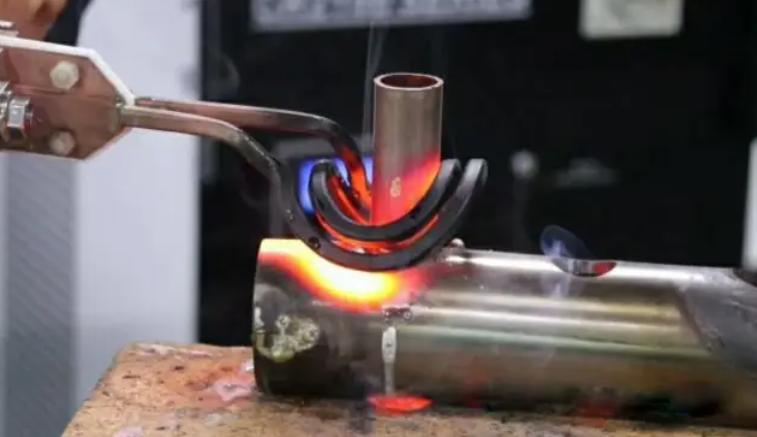
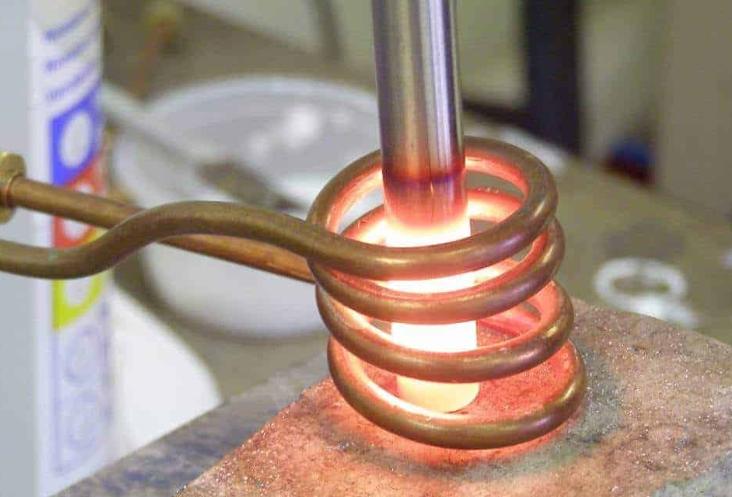
Heating coils are typically water-cooled, made of copper, and their design must conform to the shape of the workpiece and consider process parameters. An optimized coil design can provide the workpiece with a suitable heating mode in the most efficient way.
A poorly designed coil will result in slower workpiece heating and an unsatisfactory heating mode. Flexible coils are already available on the market, and are especially suitable for large workpieces and workpieces with special geometries.
Benefits of Induction Metal Heating
Safe and Reliable
Safety is paramount when using any heating tool. A suitable induction heater can make your work environment safer. The absence of open flames or hot surfaces reduces the risk of burns or fires.
The process produces no smoke or harmful gases, meaning you and your team can breathe cleaner air. Non-contact heating also reduces wear and tear on equipment, extending the heater’s lifespan. When you trust your tools, you can work with greater confidence every day.
Performance and Efficiency
Choosing the right induction heater can instantly boost your productivity. You get fast, even heating, with heat transferred directly to the workpiece. This means less waiting time and more time for work.
- Rapid heating allows you to reach high temperatures in seconds.
- The heater targets only the desired area, reducing energy waste.
- Precise control ensures even heating of the workpiece every time.
- Better product quality due to even heat distribution.
- Your production line runs faster and maintains consistent product quality.
Cost Savings
Choosing the right induction heater can help you save costs in many ways. Because the heater focuses only on the area that needs heating, energy consumption is lower. This can save up to half the energy costs compared to traditional methods.
Furthermore, because heat is concentrated where it’s needed, material waste is avoided. Fewer errors mean you don’t have to rework, saving you time and money. Over time, these savings will accumulate and contribute to your business growth.
How to Budget for Your Induction Metal Heater Investment?
When budgeting for induction metal heaters, assessing the overall return on investment (ROI) is crucial, in addition to the upfront price. The initial cost of induction heaters can vary significantly depending on their size, power, and special features.
Small, low-power units may cost only a few thousand dollars, while high-performance industrial systems can cost tens of thousands of dollars. Clearly defining your specific heating needs will help you narrow down your options and select the most cost-effective solution.
Beyond the purchase price, analyzing long-term cost savings is key to developing a more informed budgeting strategy. Induction heaters are extremely energy efficient, with energy utilization rates up to 90%, which helps reduce daily operating costs.
They also reduce processing time and increase productivity. When calculating ROI, be sure to consider factors such as reduced energy consumption, decreased maintenance requirements, and faster production cycles.
A comprehensive consideration of both initial and long-term costs will help you make informed decisions and achieve the best balance between investment and long-term business benefits.
Conclusion
To get the most out of your induction cooker, first consider what you need to heat and the amount of heat required. Induction cookers are versatile, but only by choosing the right model for your specific needs can you maximize their effectiveness.
KEXIN’s guides and support services can help you choose the right model, answer your questions, and ensure you can use your induction cooker with confidence.
KEXIN’s induction melting furnace has higher thermal efficiency and lower energy consumption. They can produce a mild metal bath mixture, mixing a uniform alloy at a constant and uniform temperature. For these reasons, this type of furnace is the first choice for induction melting. Kexin products can flexibly meet all customer requirements.
Can we help you?