
 Whatsapp
Best Induction Heaters for Removing Bolts in 2025
One challenging situation is when severely corroded bolts remain stuck. Traditional disassembly methods, such as using blowtorches, hammers, or penetrating oil, are often inefficient, dangerous, and can cause costly damage to surrounding components.
Induction bolt heaters offer a safer, faster, and more controlled solution. They utilize electromagnetic induction to generate precise, localized heat, causing the metal to expand evenly and breaking down corroded bonds without the need for open flames or excessive force. With industries increasingly prioritizing efficiency and workplace safety, induction bolt heaters are expected to become an indispensable maintenance tool by 2025.
What is an Induction Heater?
An induction heater is a device that uses electromagnetic induction to heat metallic objects. It generates high-frequency alternating current through a coil, creating a magnetic field. An induced current flows through the metallic object, rapidly heating it. This heating method avoids open flames, reducing safety hazards.
Industries such as oil and gas and power generation are increasingly adopting this technology due to its precision and efficiency. Modern induction heaters, including IGBT induction heaters, also minimize emissions, contributing to sustainable development.
Induction heating is extremely efficient and allows for precise temperature control, making induction heaters suitable for a variety of applications, such as loosening rusty bolts. Essentially, any ferromagnetic object placed in this magnetic field will heat up instantly and safely!
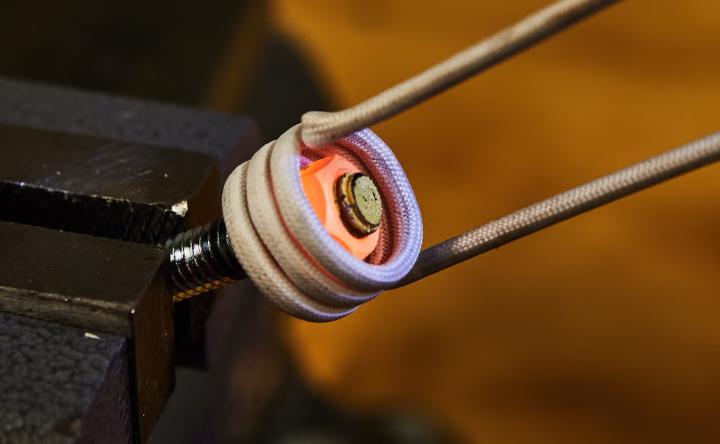
How Does a Bolt Induction Heater Work?
Induction heating relies on the principles of electromagnetic induction to generate heat within conductive materials.
Here’s how it works:
- An alternating current flows through an induction coil, creating a rapidly changing magnetic field.
- When a conductive object, such as a metal bolt, is placed in this field, eddy currents are induced within the material.
- These eddy currents produce heat due to electrical resistance, a phenomenon known as Joule heating.
This process is highly efficient because it directly heats the bolt without requiring physical contact or external flames. Induction heating also uses radio frequency (RF) energy, ensuring precise and controlled heating.
Why Choose an Induction Heater for Rusted Bolts?
Precision & Efficiency
Induction heating targets only the metal fastener itself, ensuring that surrounding parts, paint, or seals remain completely unaffected. This precise heating method minimizes the risk of collateral damage. It is crucial in environments with extremely high precision and component integrity requirements, such as automotive repair, aerospace maintenance, and heavy machinery repair.
Superior Speed
Induction heaters can heat bolts in seconds. Bolts are heated directly using electromagnetic energy, eliminating the waiting time required with welding torches or chemical solutions. This significantly reduces project turnaround time, increases productivity, and minimizes downtime in shop floor and field applications.
Unparalleled Versatility
Modern induction heaters are available in a variety of power ratings, coil designs, and portable configurations. From small automotive bolts to large industrial fasteners, they meet a wide range of application needs. Modular coil systems also allow users to handle multiple bolt types and sizes using the same tool, enhancing overall usability.
Enhanced Safety
Because induction heaters generate heat within the metal, they produce no open flames, smoke, or sparks. This eliminates the risks associated with fuel welding torches or volatile chemicals, ensuring safer operation even in confined or sensitive working environments. Technicians can work with peace of mind, reducing the risk of burns, fire hazards, or chemical exposure.
Sustainable and Environmentally Friendly
Induction heating is a clean and energy-efficient process that produces no direct emissions. It eliminates the need for harmful solvents and reduces energy waste associated with traditional heating tools.
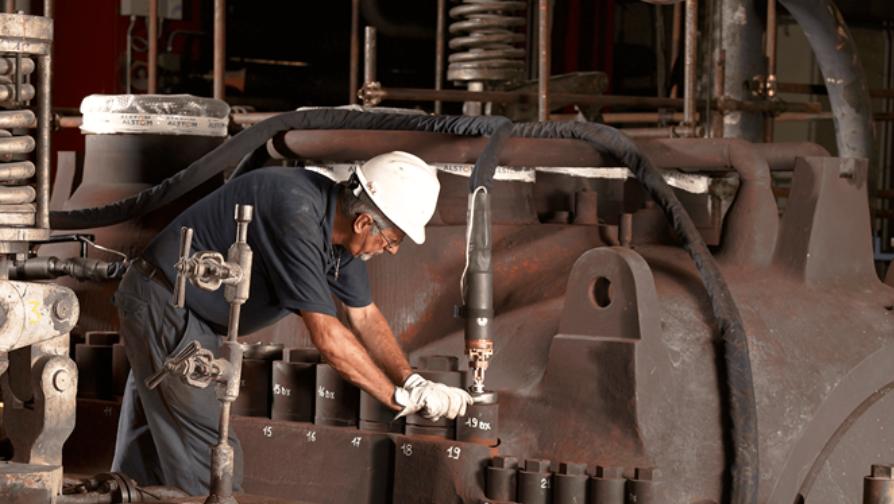
How to Choose the Best Induction Heater for Rusted Bolts?
When selecting an induction heater for rusted bolts, consider the following factors:
Power Output: Look for a heater with sufficient power output to handle the size and thickness of the bolts you’ll be working with.
Portability: If you’ll be using the heater in different locations, consider its size and weight for easy transport.
Safety Features: Choose a heater with built-in safety features such as automatic shut-off to prevent overheating.
Temperature Control: If your budget allows, choose a heater with adjustable temperature settings for precise control of the heating process.
Price: While quality comes at a cost, consider your budget and look for a heater that offers the best value for your money. Also purchase from a company that can repair or look after the unit if there is a problem.
Applications of Induction Heating
Use in Industrial Maintenance
In industrial settings, induction bolt heating is essential for maintaining machinery and equipment. It facilitates the quick removal of large bolts and fasteners, reducing downtime during repairs. The localized heating ensures minimal impact on surrounding components, preserving their integrity. Industries like manufacturing and oil and gas rely on induction heating to handle bolts in extreme conditions, such as offshore drilling, where precision and reliability are critical.
Aerospace Maintenance
Induction heating plays a vital role in maintaining the structural integrity of aerospace components. It provides localized heat input, minimizing thermal distortion and preserving dimensional accuracy. This precision ensures that critical parts meet strict tolerances. Additionally, induction heating improves the durability and strength of materials through heat treatment, enhancing their performance in demanding conditions.
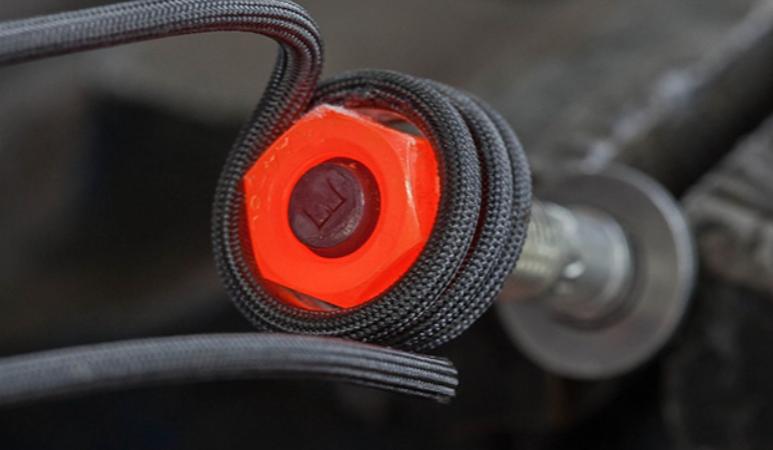
Use in Automotive Industry
Induction heating plays a crucial role in automotive repairs and manufacturing. It simplifies tasks like removing rusted or seized bolts, ensuring faster and safer repairs. Additionally, it supports processes such as hardening and tempering of gears and shafts, adhesive curing for stronger bonds, and shrink fitting for precise assembly. These applications highlight the versatility of induction heating in improving efficiency and durability in the automotive sector.
Maintenance and Operational Tips
Proper maintenance ensures your bolt induction heater operates efficiently and lasts longer. Follow these tips:
- Maintain water cooling systems by keeping the water temperature below 70°F to prevent overheating.
- Install a filtration unit to ensure clean water flow and avoid low-flow conditions that could damage components.
- Add flow indicators to monitor water flow and prevent operation during low or no-flow conditions.
- By adhering to these practices, you can maximize the performance and lifespan of your equipment while minimizing the risk of failures.
Bolt induction heaters offer you unmatched efficiency, precision, and safety for industrial applications. Key benefits include:
- Time Savings: Rapid heating reduces downtime.
- Environmental Benefits: Lower emissions and energy use.
- Enhanced Quality: Uniform heating improves durability.
- Induction heating minimizes risks, speeds up processes, and supports sustainability, making it a smart choice for modern industries.
FAQ
What types of bolts can you heat with an induction heater?
You can heat bolts made of conductive materials like steel or iron. Non-conductive materials, such as plastic, cannot be heated using this method.
Can induction heating damage the bolt?
No, induction heating provides controlled and uniform heat. It preserves the bolt’s structural integrity when used correctly, avoiding damage or weakening.
How long does it take to heat a bolt?
The heating time depends on the bolt’s size and material. Typically, it takes 15-30 seconds for most bolts to reach the desired temperature.
Is induction heating safe for surrounding components?
Yes, induction heating targets specific areas. This precision minimizes the risk of damaging nearby components, making it safer than traditional heating methods like torches.
How do you ensure safety while using a bolt induction heater?
Always follow the manufacturer’s guidelines. Use protective gear, monitor temperatures, and ensure the water cooling system functions properly to prevent overheating.
How do I know what power output I need for my induction heater?
The power output required depends on the size and thickness of the bolts you’ll be working with. Consult the manufacturer’s guidelines or seek advice from experts to determine the appropriate power output for your needs.
KEXIN’s induction melting furnace has higher thermal efficiency and lower energy consumption. They can produce a mild metal bath mixture, mixing a uniform alloy at a constant and uniform temperature. For these reasons, this type of furnace is the first choice for induction melting. Kexin products can flexibly meet all customer requirements.
Can we help you?