
 Whatsapp
A Complete Guide on Induction Heaters for Forging Applications
Induction Heaters are getting popular in the manufacturing industry due to their efficiency, low environmental impact, and ease of use. An induction heater can safely perform multiple metalworking processes, such as forging, hot forming hardening, etc.
Forging is a traditional metalworking process in which metal is molded into shape by using the pressure induced by an impact hammer.
Cold forging is employed for making smaller steel parts and softer materials. However, this process tends to harden the material and makes it difficult to process post forging.
In a hot forging process, a part is heated over the material recrystallization temperature prior to forging.
This process enables a part to be molded with minimum pressure and produces finished parts that have a reduced residual stress, thus making it easy for machining or heat treatment. In warm forging proceeds, a part is forged below the recrystallization temperature, usually below 700°C.
What is Induction Forge?
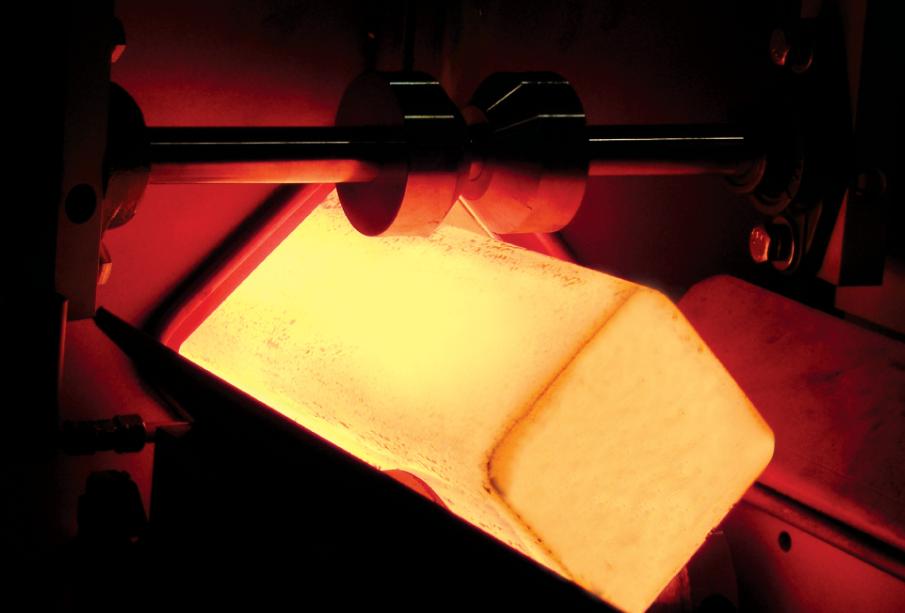
Induction forging is a process in which an induction heating system preheats metals and presses them into shape using a hammer or press.
The applications for induction forging vary greatly, but before you get started assessing your applications, it’s helpful to have a good understanding of the process.
Principal Process
First, it’s important to understand that induction heating is a non-contact process that uses the main principles of electromagnetic induction in order to effectively produce heat. Electric current can flow through a material when it is placed in a strong alternative magnetic field; this causes Joule heating.
With magnetic materials, the excess heat is generated below the Curie Point — the Curie point is the temperature at which certain magnetic materials undergo a sharp change in their magnetic properties.
The depth of the generated current is determined by both the frequency of the alternating field as well as the material’s permeability.
Materials with high permeability (100–500) are easier to heat via induction heating. Iron and its alloys respond well to induction heating due to their ferromagnetic nature.
Benefits of Induction Heating
Efficiency and Precision
Induction heating delivers unmatched efficiency and precision in heat treatment processes. The technology generates heat directly within the material, eliminating energy loss that occurs with traditional methods.
This direct heating ensures that you achieve the desired temperature quickly, reducing processing time. The uniform heat distribution allows you to maintain consistent quality, which is essential for applications like forging and diathermy.
You can control the heating parameters with high accuracy. Adjusting power, frequency, and duration ensures that the process meets your specific requirements.
This level of precision minimizes errors and enhances the reliability of the final product. Whether you are shaping metals or using induction heating for Diathermy (hot forging), the results remain consistent and dependable.
Cost-Effectiveness
Induction heating offers significant cost savings over time. The rapid heating process reduces energy consumption, lowering operational costs.
You also save on maintenance expenses since induction systems have fewer moving parts and experience less wear and tear compared to traditional equipment.
The precision of induction heating minimizes material waste, further cutting costs. In industrial settings, this translates to higher productivity and better resource utilization.
For medical applications like diathermy, the controlled heat delivery ensures effective treatments without unnecessary energy expenditure. By investing in induction heating, you achieve long-term financial benefits while maintaining high-quality results.
Environmental Advantages
Induction heating stands out as an environmentally friendly solution. Unlike conventional heating methods that rely on fossil fuels, induction heating uses electricity as its energy source.
This reduces harmful emissions, contributing to a cleaner and greener environment. By adopting this technology, you actively support sustainable practices in your operations.
The process also minimizes waste. Traditional methods often result in uneven heating, leading to material defects and scrap. Induction heating ensures uniformity, reducing the likelihood of wasted materials.
Additionally, the absence of open flames or combustion makes the process safer and cleaner for industrial and medical environments.
Applications of Induction Heating in Forging Processes
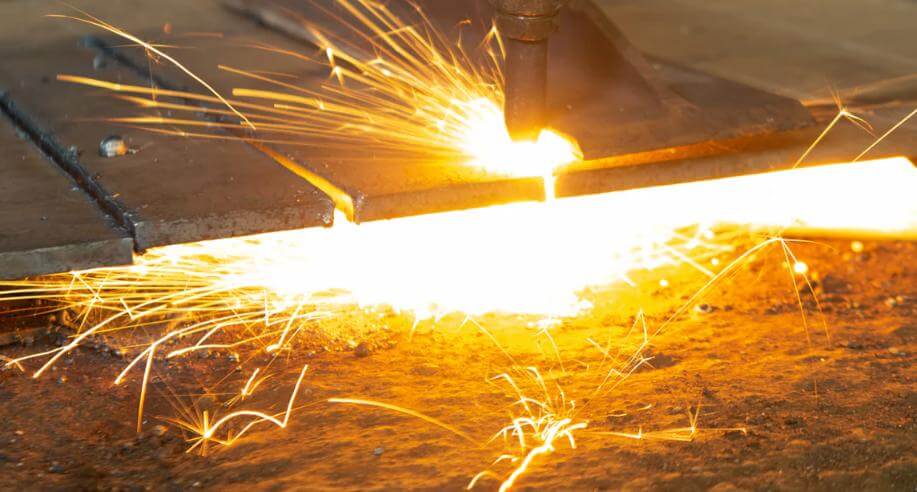
Induction heating has revolutionized forging processes by offering unmatched speed and precision. You can use it to heat metals for various applications, including:
Shaping and Forming: Induction heating prepares metals for shaping into tools, automotive parts, and construction materials. The uniform heat ensures consistent results.
Preheating for Welding: Before welding, metals often require preheating to prevent cracking. Induction heating provides the necessary temperature quickly and efficiently.
Heat Treatment: Induction heating is ideal for processes like annealing, hardening, and tempering. These treatments enhance the strength and durability of metals.
Custom Forging: For specialized industries, induction heating allows you to create custom metal components with precise specifications.
By integrating induction heating into forging processes, you can reduce energy consumption, minimize downtime, and improve overall productivity.
This technology not only enhances the quality of forged products but also supports sustainable manufacturing practices.
Induction forging is also an energy-efficient process. This is a result of the heat being generated within the component as opposed to around it.
The transfer of heat and energy is made much more efficient because the induction heating system only heats the work piece, not the atmosphere surrounding it.
Ultimately, understanding the processes and benefits of induction heating and forging applications is essential to determining what induction forging and whether or not it’s right for your process.
Conclusion
Induction heaters are a very efficient way to heat metal for hot forging applications. They can heat the metal quickly and evenly, which helps to reduce the amount of time needed to forge the metal. Moreover, they are safe to use since they do not produce fumes contaminating the environment.
So, an induction heater is a perfect solution if you are looking for an efficient and safe way to heat metal for hot forging applications. You can also check out KEXIN’s induction forging systems.
FAQ
Q What is the difference between a gas forge and an induction forge?
An induction forge uses electromagnetic waves to heat metal instead of burning fuel like a traditional gas forge. The process involves placing the metal inside an induction coil that generates an electromagnetic field around it.
Q What materials can be forged by induction?
Induction forging is widely used in the metal and foundry industries to heat billets, bars and bar ends. Metals commonly forged with KEXIN systems include aluminum, brass, copper, steel and stainless steel.
Q What’s the power consumption for Induction Forge?
Power supplies for induction forging vary in power from a few kilowatts to many megawatts and, depending on the component geometry, can vary in frequency from 50 Hz to 200 kHz. The majority of applications use the range between 1 kHz and 100 kHz.
Q Can induction forging be automated?
Induction forging allows for the heating of a billet’s while providing reduced scale, faster start-up, and is much easier to automate than other methods of heating.
KEXIN’s induction melting furnace has higher thermal efficiency and lower energy consumption. They can produce a mild metal bath mixture, mixing a uniform alloy at a constant and uniform temperature. For these reasons, this type of furnace is the first choice for induction melting. Kexin products can flexibly meet all customer requirements.
Can we help you?