
 Whatsapp
Top High Frequency Induction Heating Machines Trends
High-frequency induction heating equipment is a cutting-edge tool widely used in various industrial fields, including metal processing, heat treatment, welding, and brazing.
These devices utilize electromagnetic induction to generate high temperatures within conductive materials, achieving precise and efficient heating without direct contact.
In this blog post, we will explore seven key trends impacting the field of high-frequency induction heating equipment, covering aspects such as technological advancements, process automation innovation, and sustainable development.
Integration of Advanced Power Electronics
Advancements in Power Electronics
Advancements in power electronics are reshaping how industries use induction heating machines. These innovations are making systems more efficient, precise, and reliable. Let’s explore some key developments driving this transformation.
Innovations in Semiconductor Materials
Semiconductor materials are at the heart of modern induction heating machines. New materials like silicon carbide (SiC) and gallium nitride (GaN) are replacing traditional silicon.
These materials handle higher voltages and temperatures, improving efficiency and durability.
They also reduce energy loss, which makes high frequency induction heating machines more sustainable. With these advancements, industries can achieve faster heating cycles and better control over the process.
High-Frequency Inverters
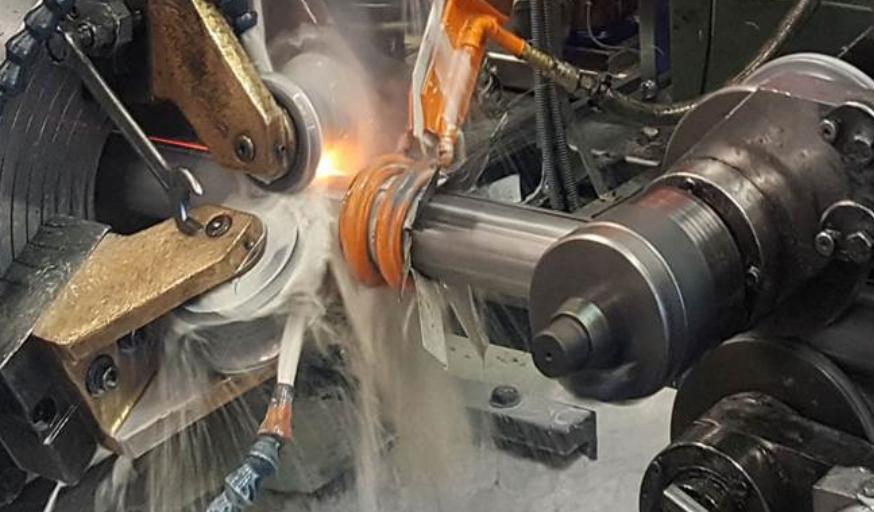
High-frequency inverters are revolutionizing induction heating technology. They generate high-frequency magnetic fields, enabling efficient heating of metal objects. When a metal object is placed inside the induction coil, the magnetic field creates eddy currents.
These currents heat the material rapidly and evenly. This technology allows high frequency induction heating machines to deliver unmatched precision and speed. Industries benefit from reduced energy consumption and shorter production times.
Adoption of Industry 4.0 Technologies
Focus on Energy Efficiency and Sustainability
Energy efficiency and sustainability are increasingly important considerations in the design and operation of high frequency induction heating machines, driving demand for eco-friendly and energy-efficient solutions.
Modern induction heating systems utilize advanced power conversion technologies and regenerative braking techniques to minimize energy consumption and waste heat generation.
Additionally, induction heating offers inherent energy efficiency advantages over traditional heating methods such as flame heating or resistance heating, reducing carbon emissions, and environmental impact in industrial processes.
Customization and Flexibility in Design
Induction heating technology in 2025 is all about customization and flexibility. Industries now demand solutions that adapt to their unique needs, ensuring efficiency and precision. Let’s explore how application-specific solutions, modular designs, and tailored applications are transforming industrial processes.
Industry-Specific Solutions
Industries require solutions that cater to their specific applications.
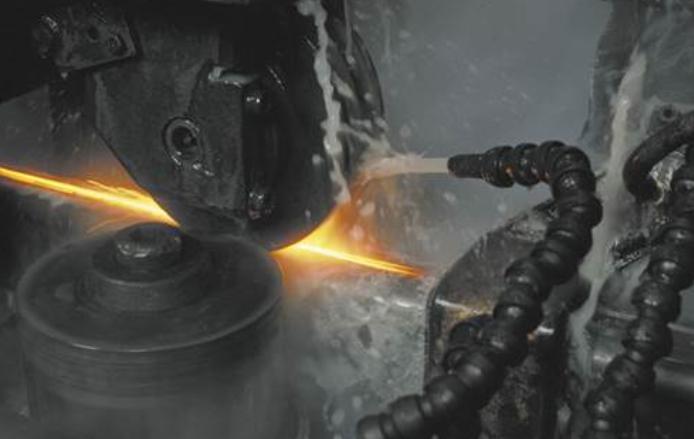
- Rolling mills use induction heating systems to provide a continuous supply of uniformly heated steel. This improves production efficiency and reduces costs.
- Metalworking industries rely on induction melting and casting for automotive parts, turbine blades, and even jewelry.
- Aerospace manufacturers use induction heating for precision components, ensuring high-quality results.
- The food and beverage sector benefits from induction heating for cooking and processing food products.
Enhanced Process Automation
Enhanced process automation is transforming how industries use induction heating systems. By integrating robotics, intelligent quality control, and smart workflows, manufacturers are achieving unmatched precision and efficiency.
Robotics for Precision Heating
Robots are redefining precision in induction heating processes. They perform tasks with remarkable consistency, ensuring every brazing operation meets exact specifications. Their controlled movements, paired with precise heat application, result in higher-quality joints and fewer defects.
This level of accuracy also reduces material waste, saving costs and improving sustainability. Industries using robotics for precision heating benefit from reliable results and streamlined operations.
- Robots ensure consistent and repeatable brazing operations.
- Controlled heat application improves joint quality and reduces defects.
- Precision minimizes material waste, leading to cost savings.
Automated Quality Control
Automated quality control is a game-changer for smart induction heating systems. Intelligent control systems now monitor processes in real time, adapting to changes instantly.
Advanced sensors and feedback mechanisms provide precise control, ensuring reliable results. Digital integration allows remote monitoring and predictive maintenance, optimizing processes through data analytics. These advancements enhance efficiency and ensure products meet the highest quality standards.
- Intelligent systems adapt to real-time changes for better results.
- Sensors and feedback mechanisms ensure precise process control.
- Digital tools enable remote monitoring and predictive maintenance.
Smart Workflow Automation
Smart workflow automation simplifies complex industrial processes. Automated induction heating systems now integrate seamlessly into production lines, reducing manual intervention. These systems optimize workflows by coordinating tasks and minimizing delays.
They also improve productivity by ensuring every step in the process runs smoothly. With smart automation, industries can focus on innovation while maintaining operational efficiency.
Enhanced process automation is revolutionizing induction heating technology. By combining robotics, quality control, and smart workflows, industries are unlocking new levels of precision, efficiency, and reliability.
Application-Specific Solutions
Application-specific solutions are driving innovation in high frequency induction heating machines, offering tailored solutions for specific industries, materials, and processes.
Manufacturers collaborate with customers to develop customized heating solutions optimized for unique applications such as brazing, annealing, hardening, or forging.
Furthermore, specialized induction heating systems are designed to accommodate specific workpiece geometries, sizes, and production volumes, providing optimal performance and cost-effectiveness for diverse industrial applications.
Conclusion
High frequency induction heating machines continue to evolve and innovate, driving advancements in industrial heating processes, productivity, and sustainability.
As industries strive for greater efficiency, precision, and sustainability in their manufacturing processes, high frequency induction heating machines will play a crucial role in meeting these demands and driving innovation in the global manufacturing landscape.
KEXIN’s induction melting furnace has higher thermal efficiency and lower energy consumption. They can produce a mild metal bath mixture, mixing a uniform alloy at a constant and uniform temperature. For these reasons, this type of furnace is the first choice for induction melting. Kexin products can flexibly meet all customer requirements.
Can we help you?