
- E-mail: yqkexin@gmail.com
-
Kexin Global


Which Industries Benefit from Induction Heating?
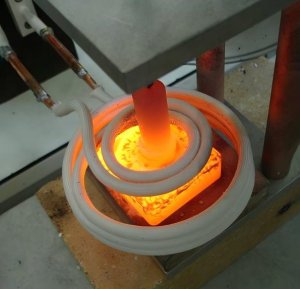
The design of the induction heating coil plays an important role in the effectiveness of the induction heating process. Therefore, it is crucial to make the best choice when selecting its components.
Metal Processing: Induction heating is widely used in metal processing for heat treatment, welding, brazing, and soldering. It precisely and efficiently heats metals like steel, aluminum, and copper, optimizing processes such as quenching, annealing, and tempering. This technique significantly improves the strength, toughness, and machinability of metals.
Plastics: Induction heating is widely employed in the plastics industry for several critical processes, including melting, forming, and welding. This method offers a clean and efficient approach to heating materials and is versatile enough to accommodate a broad spectrum of plastics such as ABS, PVC, and nylon.
Glass: Induction heating serves a crucial role in the glass manufacturing industry, providing advanced solutions for annealing, tempering, and cutting. This method is recognized for its efficiency and cleanliness, making it an excellent choice for processing various glass products including bottles, windows, and lenses.
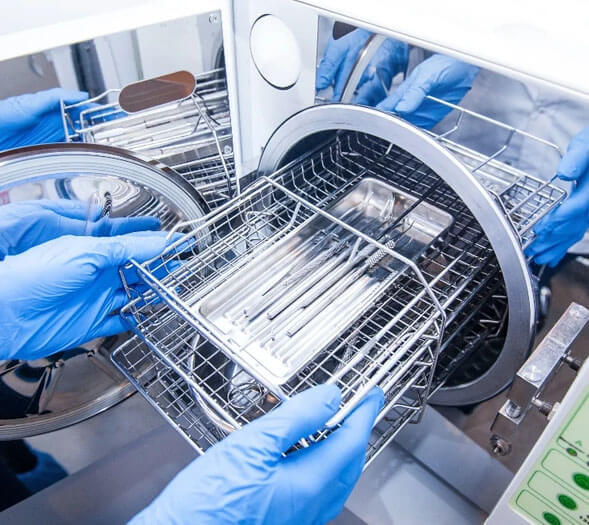
Medical: Induction heating serves multiple critical functions in the medical sector, including the sterilization of medical instruments, the manipulation of dental materials through melting processes, and the welding of surgical implants. This method offers a sterile and efficient approach to heating diverse medical products, underscoring its versatility and utility in healthcare environments.
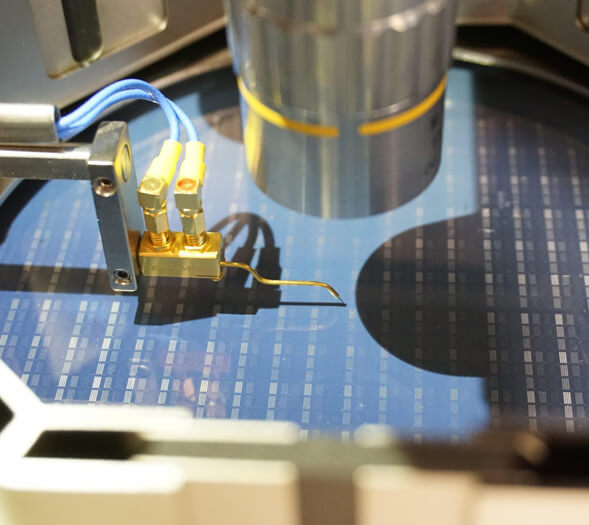
Semiconductors: Induction heaters play a crucial role in the melting of silicon during semiconductor manufacturing. This process is fundamental to the production of semiconductors, with induction furnaces offering a clean and efficient solution for silicon melting.
Jewelry: Induction heaters are utilized in the jewellery manufacturing industry for the melting of precious metals. This method is both precise and efficient, facilitating the creation of diverse jewelry pieces.
Aviation/Aerospace Industry: Induction heating equipment is essential for the aviation and aerospace industries, ensuring the quality of integral components like assembly parts, bearings, brakes, and transmission systems. This technology applies specialized heat treatments that are critical for maintaining consistent component integrity, crucial for aircraft from nose to tail.
Marine Industry: Induction heating systems are designed for use in marine machinery on both commercial and recreational vessels. They perform essential heat treatments on components such as assemblies, bearings, transmissions, gears, joints, and shafts, improving their performance and durability.
Benefits of Induction Heating to Industry
Induction heating is a safe, efficient, and eco-friendly method for heating ferrous metals, widely used in various industries. It reduces heat waste by directly transferring energy to the material. With benefits over traditional heating methods like open flames, including better efficiency and environmental protection, induction heating is an excellent choice for numerous applications.
The following questions will help explain the working principle of induction heating
Optimized Consistency
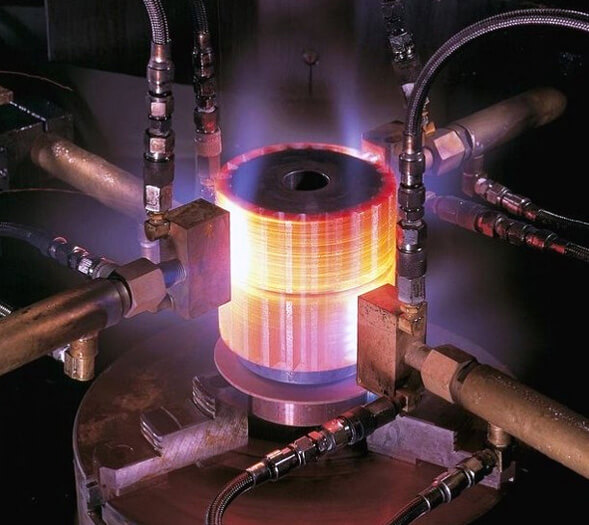
Modern solid-state systems offer precise temperature control for consistent results and can instantly activate or deactivate power. Our advanced induction heating system uses closed-loop temperature control to closely monitor and adjust individual component temperatures. It supports programmable ramp-up, hold times, and cooling rates, and records data during every process phase.

Reduce Energy Consumption
Productivity is significantly enhanced through the use of induction technology, which rapidly generates heat directly within the component itself. The start-up process is virtually instantaneous, eliminating the need for warm-up or cool-down periods. This innovative and energy-efficient method achieves up to 90% conversion of energy consumption into useful heat.

Improve Product Quality
In the induction heating process, the component being heated does not directly contact any flame or external heating element. Instead, an alternating current induces heat internally within the part. This technique significantly reduces occurrences of product warpage, deformation, and minimizes scrap rates.
Extend Workpiece Life
Induction heating efficiently directs concentrated heat to precise, localized areas of a component, while maintaining the ambient temperature of adjacent parts. This targeted application not only enhances process efficiency but also significantly prolongs the lifespan of workpiece.
Environmentally Sound
The process should be environmentally friendly and devoid of pollution, safeguarding the surroundings. Induction systems enhance workplace conditions for employees by removing smoke, reducing waste heat, eliminating toxic emissions, and minimizing noise.

Various Materials
Induction heating is applicable to a diverse range of materials, including metals and semiconductors. This versatility renders it an invaluable asset for numerous applications, thereby minimizing the necessity for multiple heating systems.
Request A Quote
Can't find the answer you need? Tell us about your application and our engineers will get back to you.