
 Whatsapp
How to Melt Stainless Steel Using Induction Furnace?
Melting stainless steel is no small feat. Unlike simpler metals, stainless steel’s alloying elements (chromium, nickel, molybdenum, etc.) give it superior corrosion resistance and durability — but also raise the complexity of melting it effectively.
In this blog, we’ll walk through how to melt stainless steel using an induction furnace: the underlying principles, equipment and setup, the step-by-step process, safety considerations, and key tips for getting high-quality results.
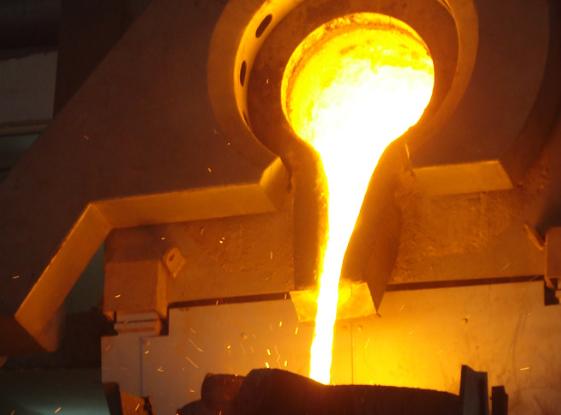
Why use an induction furnace for stainless steel?
Stainless steel requires high temperatures and clean processing to preserve its properties. Induction furnaces have become a preferred method because they offer excellent control, energy efficiency, and clean operation. According to a recent industry overview, induction melting for steel is “one of the most efficient, clean, and controllable systems”.
Some of the benefits include:
- Faster heating and reduced cycle times.
- More uniform heating and less thermal waste.
- Lower contamination risk and better preservation of alloying elements.
Given these advantages, if you’re planning to melt stainless steel—from scrap, ingots, or re-melting operations—an induction furnace is a smart choice.
Understanding Stainless Steel & Melting Conditions
What is stainless steel, and what’s its melting range?
Stainless steel is essentially an iron-based alloy that includes chromium (generally 10.5% or more) and often nickel, molybdenum, and other elements. These additions enhance corrosion resistance, mechanical strength, and temperature performance.
Unlike pure metals, stainless steel doesn’t have a single sharp melting point — rather, it has a melting range. For many common grade,s the melting point falls in the region of approximately 2,500 °F to 2,750 °F (≈ 1,370 °C to 1,510 °C).
Why does the induction method work well?
Induction heating works by passing alternating current through a coil to create a changing magnetic field. When conductive metal (like stainless steel) is placed in this field, eddy currents are induced within the metal, resulting in internal heating (Joule heating).
Key advantages for stainless steel include:
- The heat is generated inside the metal, reducing dependence on external heating sources and limiting heat loss.
- The stirring effect created by electromagnetic fields helps achieve uniform temperature and composition in the molten pool.
- Clean process: no flame, less dust/oxidation, and minimal contamination of the melt.
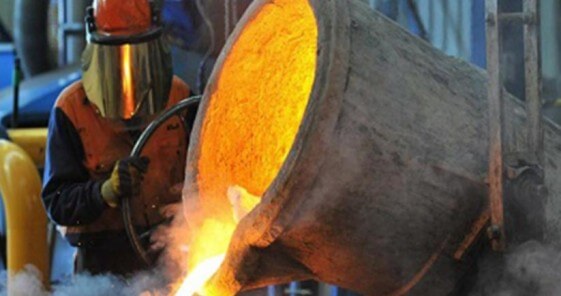
Equipment & Preparations for Induction Melting of Stainless Steel
Choosing the right induction furnace
When selecting a furnace for stainless steel melting, you’ll want to consider:
Capacity & size: The furnace must accommodate your batch size and allow for safe melting of that volume.
Power/frequency: Induction furnaces for steel often use medium frequency (hundreds of Hz to a few kHz) depending on volume and penetration depth.
Crucible and refractory lining: The crucible must handle high temperatures and resist contamination; the refractory lining must tolerate temperature and chemical attack.
Cooling, control systems and instrumentation: Temperature probes, control panels, stirring mechanisms (via electromagnetic fields) are important for consistent results.
Pre-melting preparations
Before you fire up the furnace, proper prep is critical:
Clean the charge materials (scrap or ingots) to remove oil, coatings, rust, paint, or other contaminants. Contaminants may cause excessive slag, inclusions, or defects in the final melt.
Sort the materials by grade or composition, if possible. Different stainless steel grades may behave differently when melted.
Inspect the furnace and crucible for integrity: check the refractory lining, ensure coil and cooling systems are functional, verify that all safety systems are in place.
Pre-heat/bake the furnace lining if required. Some processes suggest the new lining must be baked out to remove moisture and avoid damage.
How to Melt Stainless Steel Using an Induction Furnace?
Here’s a typical workflow to melt stainless steel with an induction furnace:
1. Load and start the furnace
Load the clean stainless steel charge into the crucible. Ensure it’s arranged to allow efficient contact with the induction field. Start the furnace and gradually bring the power up, monitoring coil current, crucible temperature, and charge behavior.
2. Raise to the melting temperature
Allow the furnace to reach the appropriate melting range (≈ 1,370-1,510 °C depending on grade). The induction system will generate heat efficiently. Adequate melting requires that the entire mass reaches the liquid state; incomplete melting can cause inclusions or bridging.
3. Melt and stir the metal
Because electromagnetic induction induces internal heating and stirring, you’ll see the molten pool forming and a visible surface motion. Use instrumentation to monitor temperature and chemical composition as needed. At this stage you can add alloying elements, fluxes, or take samples for analysis.
4. Skim slag / adjust chemistry
Once molten, remove slag that rises to the surface. If required, adjust alloy composition (e.g., add chromium, nickel, molybdenum, or de-sulfurize) to ensure the final product meets specification.
5. Pouring and solidification
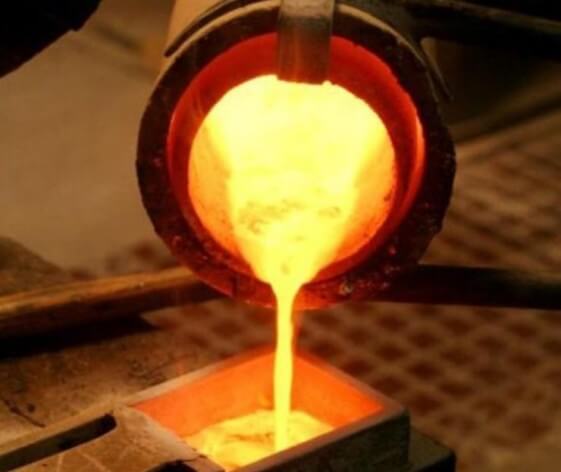
When the melt meets all criteria (temperature, chemistry, cleanliness), it’s time to pour into molds, casting systems, or ingot forms. Handle carefully: molten stainless steel is highly dangerous. After pouring, allow the steel to solidify under controlled conditions so that structure, grain size, and residual stresses are managed.
Safety and Quality Considerations
Safety first
Melting stainless steel is a high-risk operation. Ensure you follow strict safety practices:
Wear appropriate personal protective equipment (PPE): heat-resistant gloves, face shield, flame-resistant clothing, boots.
Ensure proper ventilation to deal with fumes (especially from coatings, oil, or scrap contamination). Poor ventilation may lead to exposure to chromium or nickel oxides.
Maintain clean work areas around the furnace: scrap debris, oil spills, cable hazards, or wet materials can cause explosions or equipment damage.
Monitor equipment integrity: cracked crucibles, degraded refractory, or worn induction coils can lead to catastrophic failures.
Quality control and metallurgical integrity
Quality matters greatly when melting stainless steel — the final properties (corrosion resistance, strength, toughness) depend on multiple factors:
Uniform heating and stirring ensure that the alloying elements are distributed, and that there are no cold spots or unmelted chunks.
Contamination from excess oxidation, slag inclusion, or tramp elements (e.g., copper, lead) must be minimized. Induction melting tends to reduce these risks relative to older methods.
Proper cooling and solidification: If casting is too rapid or uncontrolled, you may get undesirable microstructures, porosity, or cracking.
Accurate chemistry: Double-check the final composition to ensure it meets grade requirements (e.g., 304, 316 stainless) with correct chromium, nickel, molybdenum, carbon levels.
Common Mistakes & How to Avoid Them?
Mistake: Overlooking scrap preparation
If you load the furnace with scrap that still has paint, oil, rust, or variable grades, you’ll face soot, slag, contamination, and inconsistent chemistry. Prep material properly.
Mistake: Rapid uncontrolled heating
Heating too fast can create bridging, cold cores, refractory spalling, or unstable melt pools. Follow a controlled ramp and monitor coil current, temperature, and melt behavior.
Mistake: Poor slag management
Failing to remove slag or neglecting to add fluxes/alloys at the right stage can compromise the chemistry and cleanliness of the melt.
Mistake: Inadequate safety protocols
Wet or oily environments, uninspected equipment, or inadequate ventilation are serious hazards when dealing with molten stainless steel.
Future Trends in Induction Melting of Stainless Steel
The technology for induction melting is evolving rapidly. According to recent industry overviews:
The use of vacuum induction melting (VIM) and improved refractory materials is enabling ultra-clean stainless steel production.
Smart process controls (sensors, automation, AI) are enabling tighter control of melt dynamics and chemistry.
As sustainability becomes more critical, induction furnaces offer a lower-emission alternative to older arc or fuel-fired furnaces.
These trends mean that industrial users of induction melting are not only achieving better quality stainless steel but doing so with a smaller footprint and greater repeatability.
Conclusion
Melting stainless steel using an induction furnace is both an art and a science. When carried out properly, it yields high-quality material with excellent alloy integrity, efficient energy usage, and reduced contamination. But it demands careful preparation, robust equipment, precise control, and rigorous safety practices.
If you’re working in foundries, metal-casting shops, or industrial alloy production, the induction route is the smart path. Follow the steps above, stay vigilant about quality and safety, and you’ll find that you can reliably melt stainless steel batches that meet or exceed expectations.
KEXIN’s induction melting furnace has higher thermal efficiency and lower energy consumption. They can produce a mild metal bath mixture, mixing a uniform alloy at a constant and uniform temperature. For these reasons, this type of furnace is the first choice for induction melting. Kexin products can flexibly meet all customer requirements.
Can we help you?